La venta de bonos se dispara a nivel global ante el temor a la inflación y la emisión de deuda de IA
Los costos de endeudamiento público a largo plazo alcanzan máximos de varias décadas. Leer
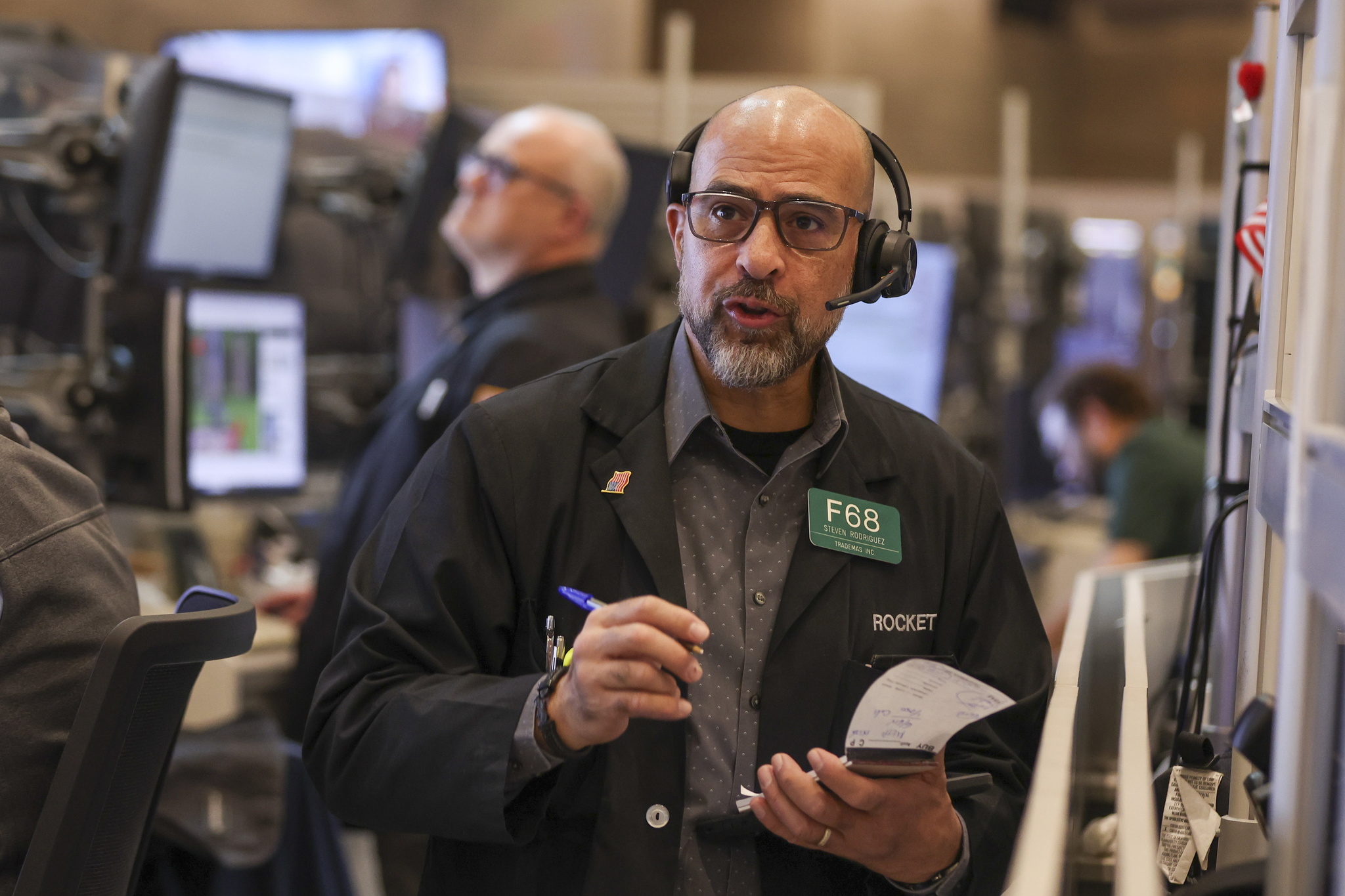
Global bond sales surge as concerns over inflation and AI-linked debt issuance prompt higher yields. Long-term borrowing costs for major economies reached multi-decade highs on Tuesday due to worries about inflation, deficits, and the rise of debt issuance to fund AI. The yield on the U.S. 30-year Treasury bond rose 0.02 percentage points to 5.33%, its highest level since 2007, climbing 0.06 percentage points this week.
European long-term bond yields also increased. The yield on the German 30-year bond rose 0.04 percentage points to 3.78%, its highest since the eurozone crisis in 2011. French yields on the same maturity rose 0.03 percentage points to 4.9%, their highest since 2008.
In recent days, long-term bond yields have largely followed the evolution of oil prices, according to Mohit Kumar, senior European economist at Jefferies. When oil reaches $90 or higher, inflation concerns spike. The U.K. 30-year Treasury bond yield climbed to 5.86%, approaching the maximum since 1998 during early war weeks against Iran.
Japan's 30-year bond yield rose 0.06 percentage points to 4.14%, nearing its historic peak. Global public debt costs have surged this year since the start of the U.S.-Iran conflict, as rising energy prices have raised doubts about a prolonged global inflation crisis. Oil briefly closed above $90 a barrel for the first time in two weeks on Monday, hitting around $91.25 on Tuesday morning, triggering the latest wave of public debt weakness.
Kumar also added that fiscal concerns persist, with the growing public debt affecting long-term borrowing costs as U.S. debt approaches $40 trillion, and investors fear additional spending by governments to protect businesses and consumers from energy cost economic impact.
The situation in the Middle East is likely to increase inflation and U.S. fiscal situation concerns, said Derek Halpenny, global markets analyst at MUFG. In the United States, there is no political will to address the fiscal situation, affecting the long end of the yield curve. The Tuesday market decline and oil price rise also weighed on stocks, with S&P 500 and Nasdaq 100 futures falling 0.5% and 1.2%, respectively.
The surge in long-term bond yields forced Washington to pay the highest interest rates since 2011 for the sale of 30-year bonds last week. Anshul Pradhan, U.S. interest rate research director at Barclays, identified three factors in the massive sale of long-term Treasury bonds: budget deficit outlook, AI-linked corporate issuance, and the change in the public debt buyer base.
Large technology companies are increasingly turning to international debt markets to finance their astronomical AI investments, focusing on ultra-long-term debt issuance. Barclays expects total investment-grade debt issuances this year to reach a record $1.9 trillion, up from $1.44 trillion last year. The surge in issuance has accompanied a steepening of global public debt yield curves, as the gap between short- and long-term borrowing costs has expanded.
Several analysts noted that the popularity of the steepening trade strategy, where investors bet that the gap will continue to widen, is contributing to higher long-end yields. This trend seems to continue, and for now, it's difficult to go against this momentum, said Evelyne Gomez-Liechti, multi-asset analyst at Mizuho.
Written by urgent.news from Expansion ES's reporting — not their text. Machine-written — may contain errors; check the original before relying on it.