Urgent.News

One page, thousands of outlets. See who else covered it.

Editions

Business

La Ue insegue nuove rotte commerciali con 12 intese

Per rispondere alla guerra dei dazi e all’incertezza globale dal 2024 sono stati rivisti o siglati altri accordi. Trattative con sette Paesi
La Ue insegue nuove rotte commerciali con 12 intese

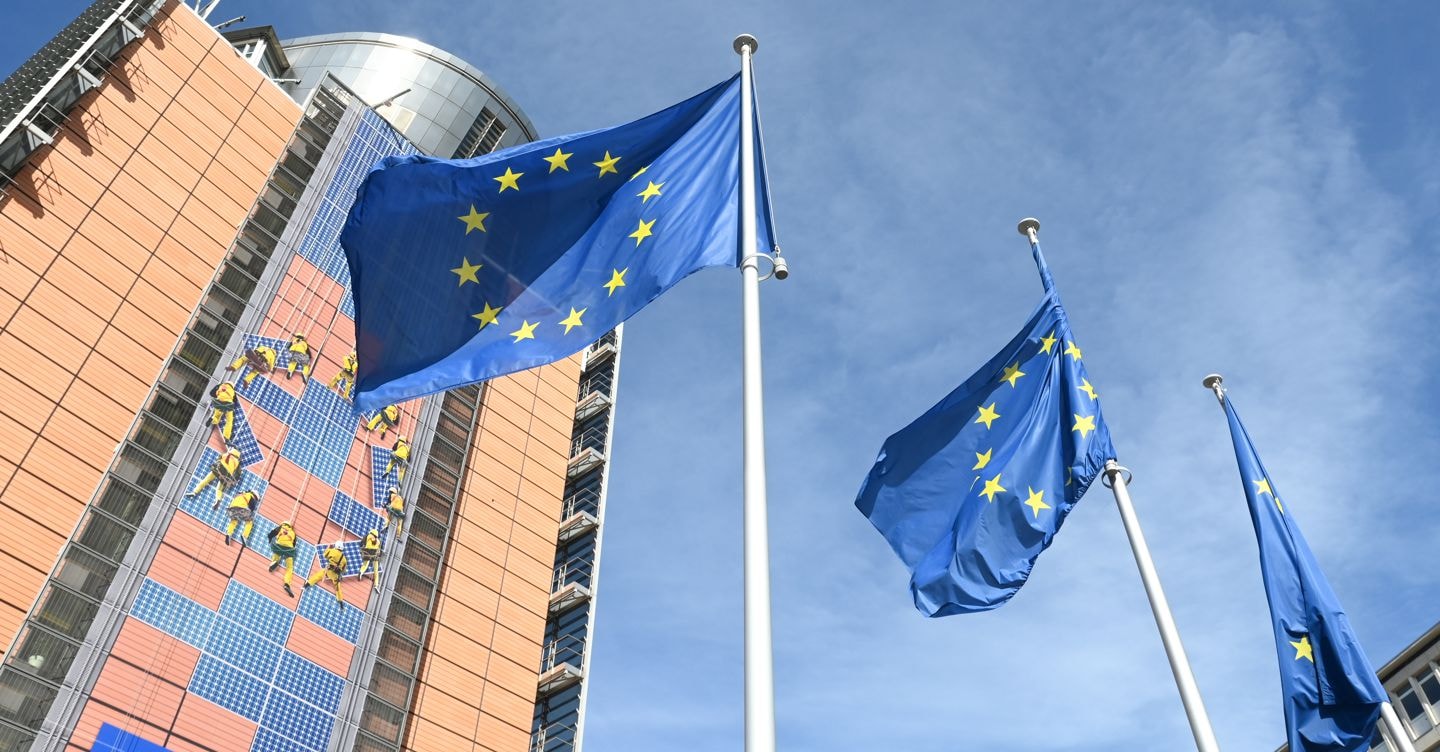
The European Union, with its world-leading number of free trade agreements, already serves as the primary commercial partner for many of the 76 countries with which it has active engagements. The push for new markets aligns with the trade policy outlined over the past decade, but has recently accelerated in response to threats from the West Coast, including tariffs imposed—and still threatened—by the US President Donald Trump.

Since 2024, three agreements have been modernized, two new ones signed, and seven more are in the definition process, totaling 12 agreements involved. As the President of the European Commission, Ursula von der Leyen stated, the acceleration carries political significance beyond commercial gains, becoming tools of economic sovereignty and strategic resilience in a geopolitical competition perceived as a primary and structural risk.

Diversifying supply sources and commercial partners, mitigating risks, presiding over critical industries, accessing strategic raw materials, and consolidating presence in the most dynamic areas of the global economy are among the objectives pursued by the EU. The agreement with New Zealand, in force since May 2024, features immediate and total liberalization: 100% of EU exports enter the New Zealand market duty-free, while the Union commits to eliminating or reducing duties on most New Zealand products by 2031.

Sectors benefiting most are machinery and vehicles, furniture and their parts, measuring instruments, clothing and accessories, food and live animals, products for which New Zealand duties reach 10%. Trade between Mercosur (Argentina, Brazil, Paraguay, and Uruguay) and the EU exceeded 111 billion euros in 2024. The agreement, provisionally applied since May 2026, aims to protect the industrial transition of South American countries with differentiated schedules for each sector.

Automotive requires protection (duty-free 15 years for gasoline-powered vehicles, 18 years for electric vehicles, with an initial duty of 25%), while agri-food sees wine liberalized in four years and chocolate/dairy in 14 years with initial subsidies. These provisions protect the more sensitive sectors of Mercosur while quickly opening markets where the EU is more competitive.

Upcoming agreements with India, Indonesia, Australia, and Thailand represent the EU's strategic positioning in the Indo-Pacific. India, which no longer benefits from unilateral tariff reductions from the EU, transitions from a developing country to a peer-level partner. The sectors benefiting most are high-tech ones: machinery, optical and medical apparatus, chemicals, iron and steel, pharmaceuticals, with duties nearing 44%.

Reduced duties are also foreseen for vehicles and the pearl, precious metals, and stones sector. Indonesia will eliminate high duties on industrial products, particularly vehicles (up to 50%), machinery and electronic equipment, pharmaceuticals, chemicals, and agri-food. The Australia agreement will zero out Australian tariffs on national products (machinery, transport equipment, chemical products, metals and metal products, plastics, textiles, stone, glass and ceramics, paper and wood).

This reflects a very open trade relationship, a high degree of regulatory convergence, and the recognition of a partnership, as with New Zealand, already consolidated. Thailand, with its negotiations starting in 2023 and the ninth round in June 2026, constitutes a potential partner for mineral oil products, chemical products, and common metals.

The modernized agreement with Chile is one of the most relevant examples of the new European commercial season. Not only for the weight of the trade exchange—EU is the second largest market for Chilean goods and Chile is the third EU trading partner in Latin America—but also for its strategic value. Chile is the EU's main supplier of lithium (62% share) and occupies a crucial position in battery and energy transition supply chains.

The deal with Mexico, pending entry into force, strengthens one of the EU's most relevant partnerships in Latin America, confirming that in a phase of growing uncertainty, consolidating relationships with reliable partners is one of the pillars of European strategy, especially for sectors such as pork, poultry, medical devices, automobiles and components, machinery, and pharmaceuticals.

Simplification and flexibility guide the revision of the Pem Convention, updating rules of origin involving the EU and over 20 partners from EFTA, Balkans, Turkey, and the southern Mediterranean, aiming to operate a strategic review of the historic trade network and provide producers with an integrated, more modern, simpler, and consistent production organization.

Written by urgent.news from Il Sole 24 Ore's reporting — not their text. Machine-written — may contain errors; check the original before relying on it.

Read the original at ilsole24ore.com →

More in Business

More from Tuesday 18 August →