Judge allegedly outsourced entire ruling to AI and still can't be sued — federal court upholds blanket judicial immunity
A U.S. federal court has ruled that a judge accused of relying entirely on AI to make a judicial decision can still retain judicial immunity from civil lawsuits, although the ruling does not determine whether such use of AI is legally or ethically permissible.
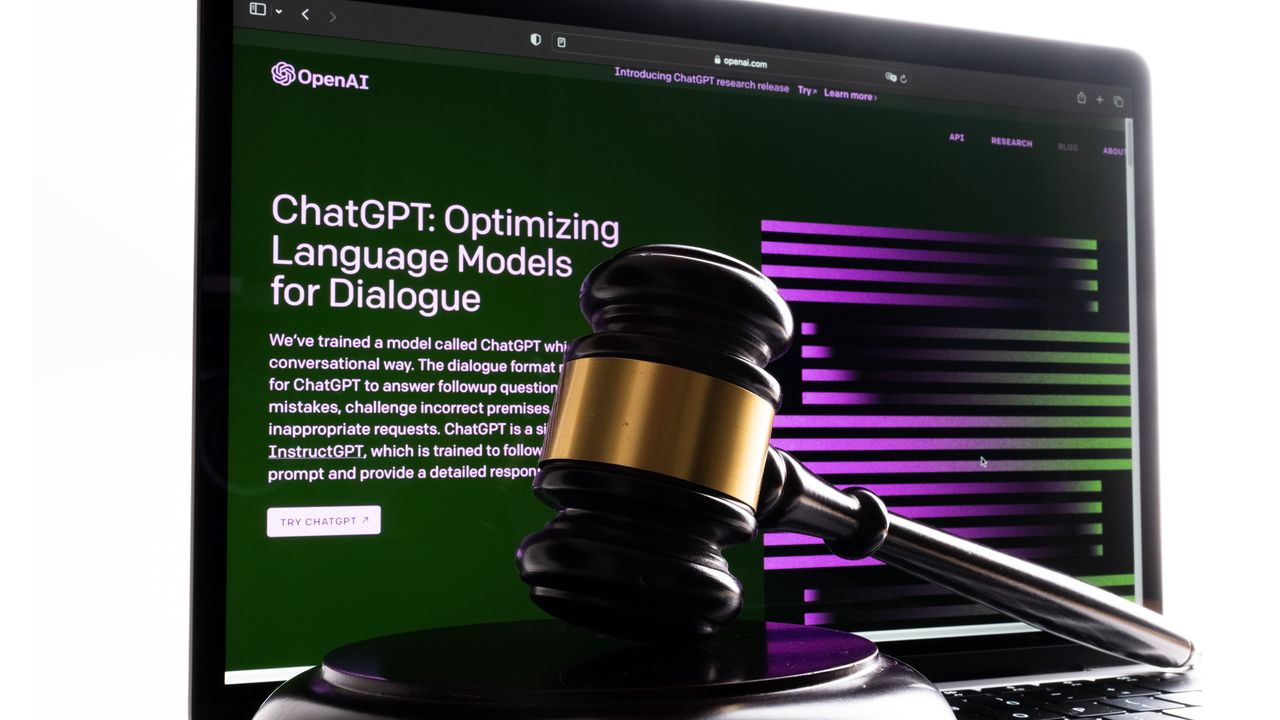
A federal court ruling has upheld the principle of judicial immunity, stating that even if a state judge relies entirely on artificial intelligence for decision-making, the judge remains shielded from civil lawsuits, reports Reason. The case, Phillips v. Parlade, was decided by U.S. District Judge Gloria Navarro of the District of Nevada.
The plaintiff argued that such complete delegation of decision-making to AI would not qualify as a ruling performed by a judge and potentially remove judicial immunity. However, the judge dismissed the lawsuit, finding that the action was still within the judge's regular duties and that the allegations of AI reliance did not remove immunity.
The ruling emphasizes that judicial immunity applies regardless of the method used by the judge, whether it involves human judgment or AI, as long as the action is within the judge's duties and jurisdiction. Litigants can still pursue other legal avenues, such as appeals or disciplinary actions, but the federal court did not address the legality or ethics of AI reliance by judges.
Written by urgent.news from Tom's Hardware's reporting — not their text. Machine-written — may contain errors; check the original before relying on it.