Japan’s hotels embrace sleep tourism with brain scans, tea and custom beds
An increasing number of hotels in Japan are offering “sleep tourism” experiences – stays designed to promote high-quality and restful sleep. The trend, which started gaining popularity overseas several years ago, provides hotels with an opportunity to attract new health-conscious guests. A sleep retreat plan called totono-ne, featuring the relaxing effects of tea, is proving a popular offering…
In Japan, more hotels are entering the "sleep tourism" trend, aiming to attract health-conscious guests seeking restful nights. Hotel 1899 Tokyo, located in the Shimbashi business district, offers a sleep retreat plan called totono-ne, which provides guests with personalized tea blends based on their sleep patterns. Upon arrival, guests complete a simple questionnaire to determine their sleep type, and upon request, they are served a cup of tea tailored to their needs.
Each room features high-quality pillows and bath salts to aid in sleep, with an extra cup of tea available before bedtime. Hotel 1899 Tokyo's Yuiko Ogawa explained that they aimed to maximize the importance of sleep, which takes up a significant portion of guests' stays. According to Kanae Usui, a senior consultant at JTB Tourism Research & Consulting, the rise in sleep dissatisfaction and travelers' preference for health-related experiences are driving this trend.
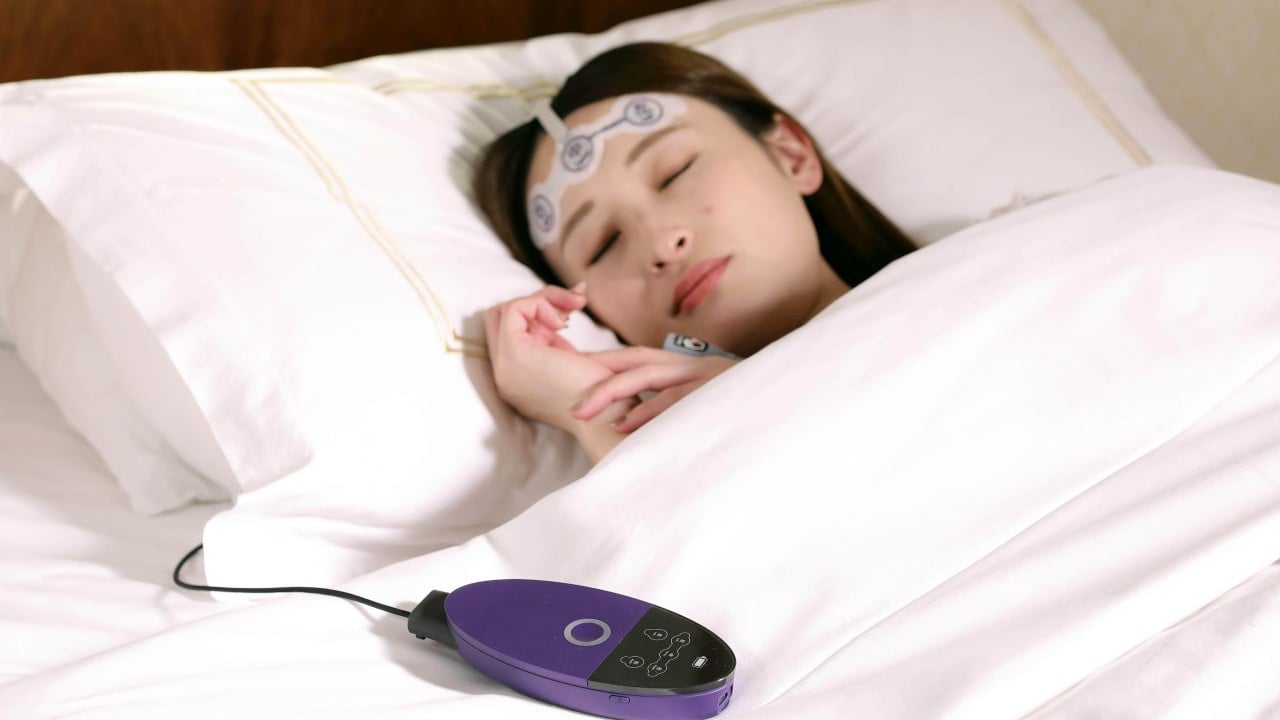
Hotel Chinzanso Tokyo has taken it a step further by incorporating brain wave measurement technology into their sleep package. This innovative plan, available for two years in the capital's Bunkyo Ward, involves monitoring guests' brain activity while they sleep. Using the collected data, such as the amount of deep sleep experienced, guests receive personalized advice from doctors on-site during their stay.
Ayumi Yoshida, a representative from the hotel, noted that the growing interest in sleep led them to create a plan that capitalizes on the benefits of having a clinic at the hotel.
Meanwhile, coastal resort areas are also embracing the sleep tourism trend. Malibu Hotel, situated in Riviera Zushi Marina in Kanagawa prefecture, introduced its "Sleep Well Stay" plan in February. This limited-access program allows only one group of guests per day. A key feature of the plan is personalized bedding, including mattresses chosen according to each guest's sleep posture and habits.
Aki Uchimura, a staff member at the marina's operator, explained that the tranquil seaside environment helps guests achieve a more peaceful slumber.
Written by urgent.news from South China Morning Post's reporting — not their text. Machine-written — may contain errors; check the original before relying on it.