It's time to teach AI that humanity does not speak with one voice
Artificial intelligence is frequently presented as a revolutionary technology that will make the world smaller by breaking down barriers to communication and mutual understanding. Yet many of the systems now in place have inherited some of modern society’s most persistent biases. The information age, of which AI is a key driver, was supposed to be characterised by connectivity. In many ways it…
Artificial intelligence often hailed as a technology that will shrink the world by dismantling barriers, is unfortunately riddled with biases inherited from modern society. While the information age driven by AI boasts connectivity, much of the global understanding is filtered through English and Western cultural assumptions. According to the Internet Society Foundation, English dominates over half of all online written content.
This is not merely a niche issue, as AI, which now permeates all aspects of life, is trained on such skewed information and expected to explain the world back to us. If the underlying data is biased, the technology risks creating a system that confidently interprets entire cultures while missing their nuances, humor, and customs.
Consequently, tens of millions of non-English speakers are left uncertain about their representation. This underscores the significance of efforts to diversify the digital realm and ensure as many global languages as possible are represented. Recently, researchers from Mohamed bin Zayed University of Artificial Intelligence in Abu Dhabi unveiled ArabCulture-Dialogue, the first benchmark designed to assess AI models' proficiency in understanding and interacting with Arab culture across 13 national dialects.
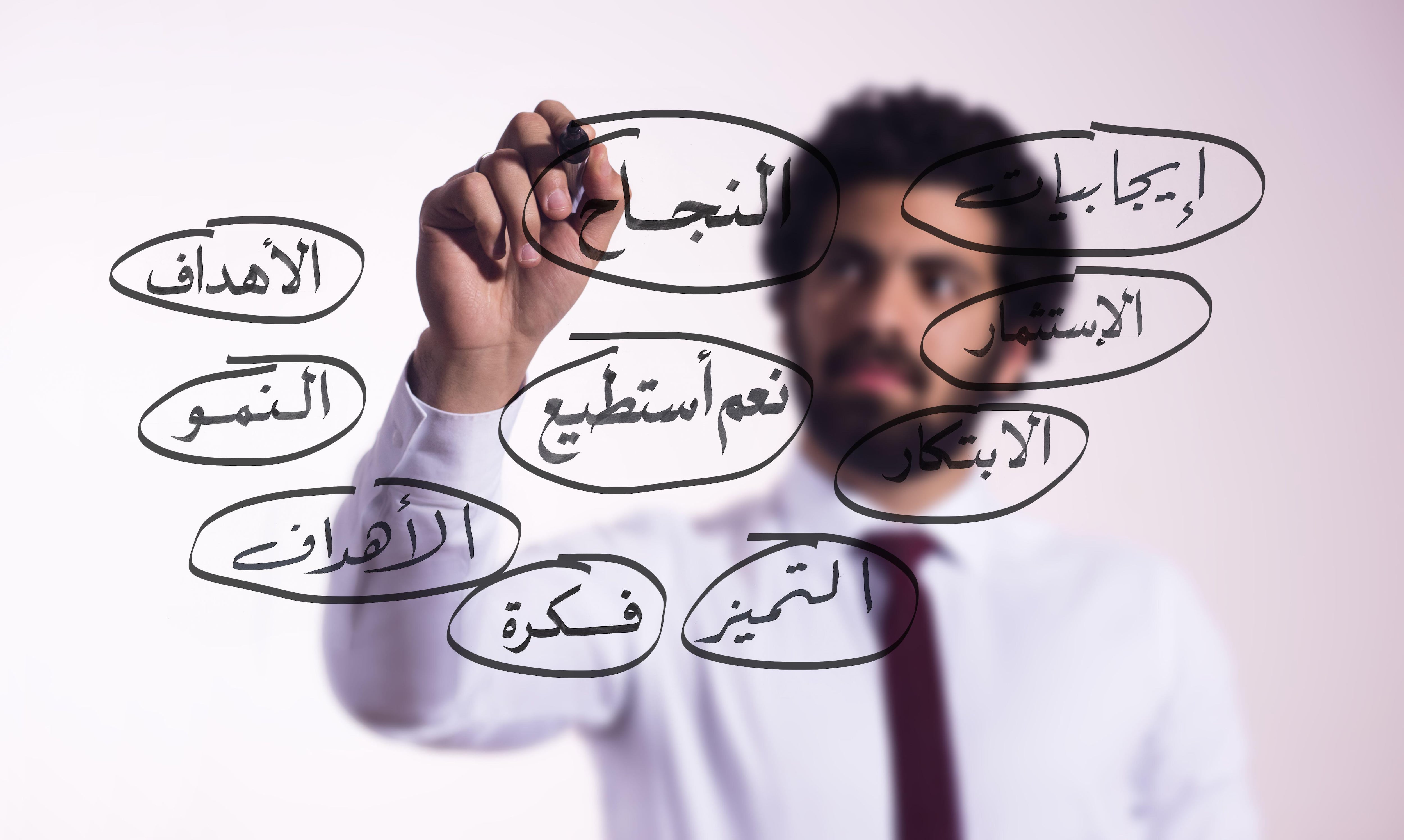
Preliminary studies reveal a substantial disparity between how well these models comprehend what Arabs say and how effectively they can converse in the manner Arabs do in everyday life. This research complements other UAE-led initiatives like the Falcon Arabic and Jais language models, which hold transnational importance. Arabic, spoken by more than 20 countries as an official or primary language, is utilized by millions of non-native speakers for reading, prayer, and is one of the UN's official languages.
Incorporating Arabic into advanced AI research is crucial. However, this is not a critique against English or the benefits of familiarizing oneself with the language in the UAE. The UAE's proficiency in operating across languages and cultures has been integral to its success. Rather than creating technological barriers around individual cultures, the digital world should encompass sufficient cultural knowledge to represent them accurately.
There remains considerable work ahead. A study published in September last year by Saudi and Qatari academics in the Communications of the ACM journal highlights that Arabic online "lacks abundant, well-annotated resources, particularly for regional dialects and informal language use." Furthermore, they emphasize that "a significant portion of Arabic knowledge remains undigitised, rendering it inaccessible for training large-scale models."
These gaps are being addressed. This issue warrants close monitoring as machines strive to help us comprehend the world. For them to do so effectively, they must first learn that humanity does not speak with one voice.
Written by urgent.news from The National UAE's reporting — not their text. Machine-written — may contain errors; check the original before relying on it.
This story
This is one outlet's version. Read the fullest account.
- It's time to teach AI that humanity does not speak with one voice thenationalnews.com