It's harder to poop in space. Scientists may finally know why
Spaceflight can do strange things to the human body — including making it harder for astronauts to poop.
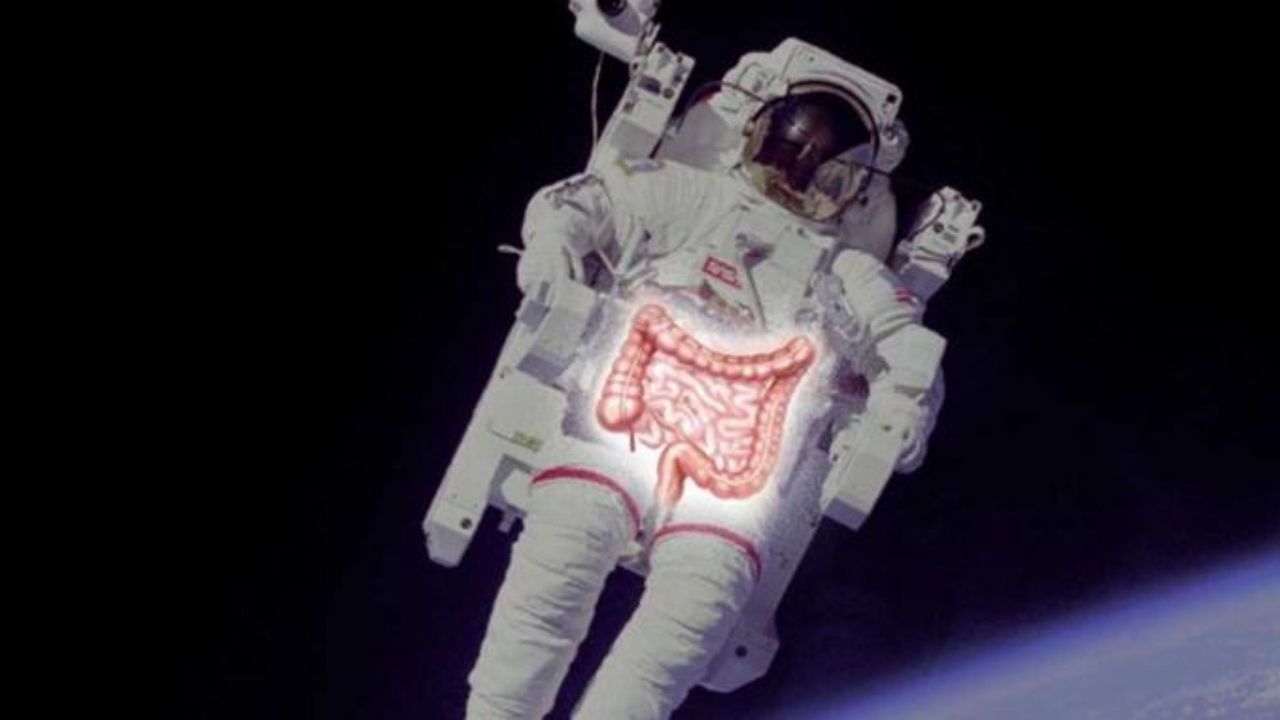
Constipation is a frequent issue for astronauts during space missions, but the reasons behind it have been unclear. A new study led by the University of Copenhagen and NASA may have uncovered the cause. The researchers analyzed blood samples from 52 astronauts who spent extended periods aboard the International Space Station (ISS) between 2006 and 2018.
They discovered that microgravity appears to slow down the movement of food through astronauts' intestines, altering how gut bacteria break down nutrients. This change in digestion could contribute to constipation in space. The researchers used metabolomics, a technique that measures small molecules in blood, to detect alterations in around 40 circulating compounds during spaceflight.
These changes mostly disappeared within days after the astronauts returned to Earth. While diet, including caffeine, fish, and fat intake, accounted for less than a third of the metabolic changes, the lack of gravity is believed to slow down intestinal transit, potentially explaining the increased protein fermentation observed. This insight could help develop dietary strategies to maintain astronauts' digestive systems during future missions to the moon and Mars, addressing not only their comfort but potential health risks like ammonia and hydrogen sulfide production.
More fiber intake might be a simple countermeasure to reduce protein fermentation. Understanding the impact of microgravity on digestion and gut bacteria could not only keep astronauts healthy on long-duration missions but also provide new clues for treating digestive problems on Earth, such as osteoporosis and muscle loss.
Written by urgent.news from Space.com's reporting — not their text. Machine-written — may contain errors; check the original before relying on it.

