Indigenous food sovereignty is one of the most overlooked conservation strategies (commentary)
As governments and conservation organizations search for solutions to the interconnected crises of biodiversity loss, climate change and food insecurity, they are overlooking one of the most effective approaches already working on the ground: Indigenous food sovereignty. Around the world, Indigenous communities manage or hold tenure rights to roughly a quarter of Earth’s land surface, […]
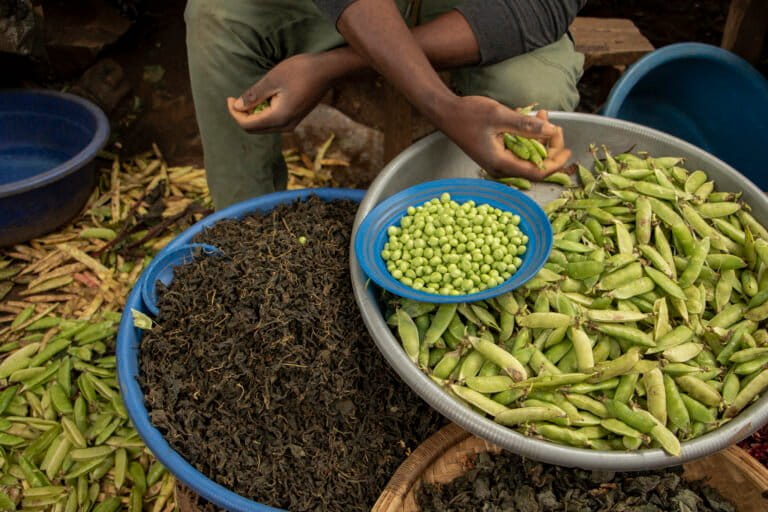
Governments and conservation bodies worldwide are scrambling to find answers to the intertwined issues of biodiversity loss, climate change, and food insecurity. Surprisingly, they are overlooking a highly effective method that is already proving successful on the ground: Indigenous food sovereignty. Across the globe, Indigenous peoples manage or possess the rights to approximately a quarter of Earth's land, an area that encompasses 37% of the world's remaining natural landscapes and a third of the planet's undisturbed forests.
They protect seeds, preserve diverse farming ecosystems, safeguard forests and bodies of water, and transmit ecological wisdom across generations. Despite these contributions, their practices are seldom acknowledged as a core component of conservation policies, even though they have demonstrated significant benefits for both biodiversity and community resilience.
It is high time for this to change. Richard Rojo, a leader in food sovereignty, demonstrates this in his taro garden in Vanuatu. The current global food system is becoming more and more homogenized. Just three plants - wheat, rice, and maize - account for more than half of the world's calories derived from plants. This uniformity is the result of profit-driven industrial agriculture, which has converted vast areas into monocultures.
This shift has led to habitat destruction, declining soil quality, water contamination, and the loss of crop diversity. Simultaneously, communities across the globe are becoming more susceptible to climate disruptions, market instability, and diet-related illnesses. Indigenous food systems, however, are typically characterized by diversity, mutual respect for nature, and the belief that wealth can be derived from reciprocal relationships.
For instance, the Tharu community in Nepal considers wealth to be mutual aid, collective reciprocity, and the sacred ties that bind them to their environment.
Written by urgent.news from Mongabay's reporting — not their text. Machine-written — may contain errors; check the original before relying on it.