IIT Kharagpur Director writes: What is an IIT for? At 75, it is time to ask again
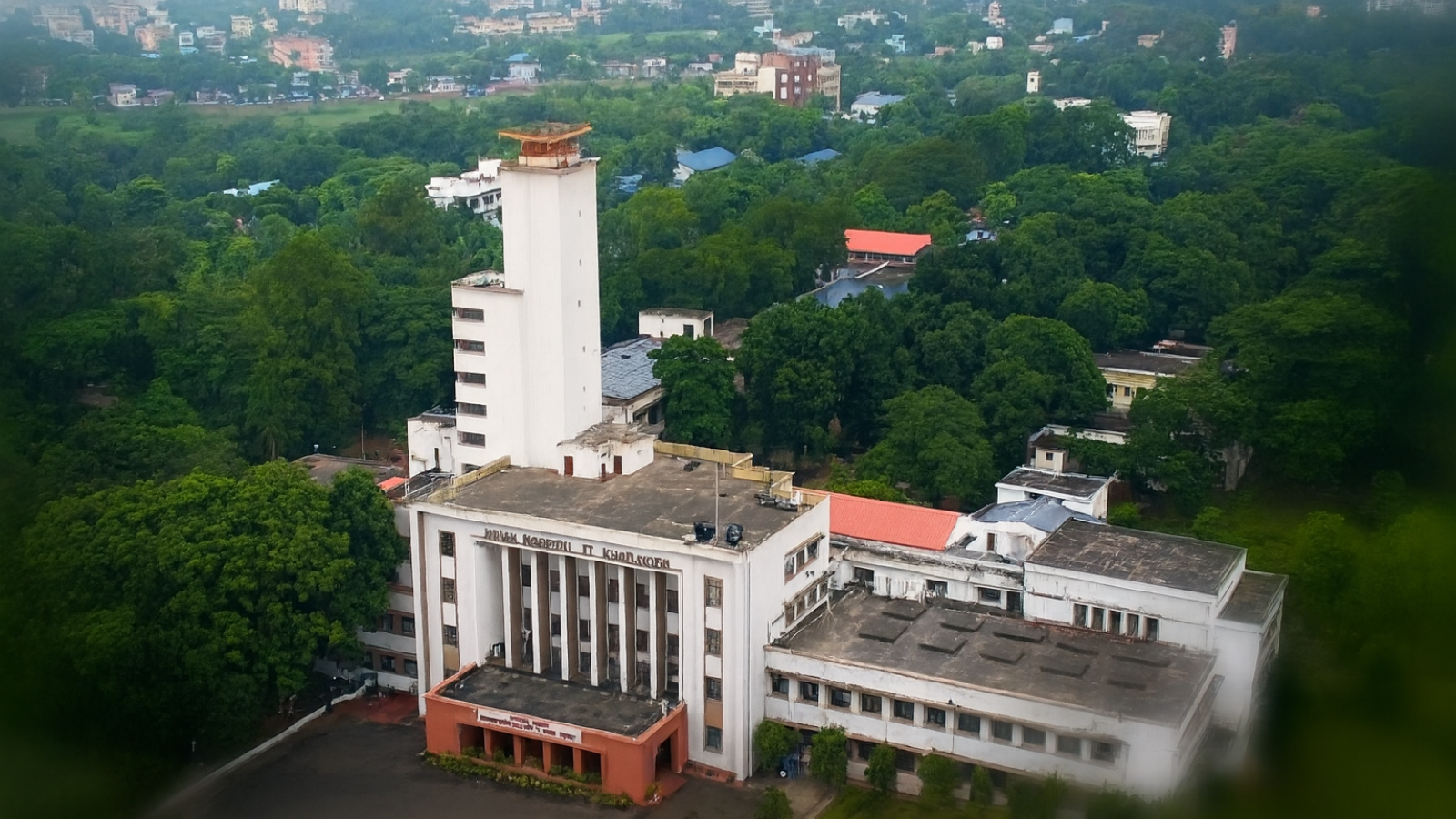
On August 18, 1951, India made an audacious statement by converting a site of confinement into a center of knowledge: IIT Kharagpur. As we approach the next quarter-century, the true measure of an IIT's success should be the upliftment of the nation itself. The IITs are the pinnacle of India's engineering education, but their effectiveness hinges on the foundations that support them.
By 2047, each IIT should serve as both an educational institution and a platform for national capabilities. Faculty should act as mentors to networks of educators, while laboratories provide structured access points for students and researchers across various levels. Interdisciplinary collaboration, spanning domains like medicine, AI, agriculture, and manufacturing, must be fostered within IITs.
While standardized tests like JEE remain a gateway, alternative pathways that recognize exceptional talent through olympiads, innovation competitions, and other achievements should be encouraged. Education must evolve to prepare students for an increasingly interconnected world. By 2047, IIT graduates should possess the ability to understand, work with, and critically evaluate AI systems, alongside the capacity to create novel solutions that AI cannot yet replicate.
To truly transform India by 2047, IITs must become living laboratories for testing emerging technologies, while also serving as incubators for startups and hubs for global knowledge exchange. The goal should be to turn the campus into a technological testbed that engages with schools, hospitals, MSMEs, and grassroots enterprises, fostering a culture of innovation that transcends traditional academic boundaries.
Written by urgent.news from The Indian Express's reporting — not their text. Machine-written — may contain errors; check the original before relying on it.