IAS officer who helped turn India's software industry into global powerhouse
N Vittal, the IAS officer and former Secretary of the Department of Electronics, played a key role in shaping India's software industry by removing regulatory barriers and promoting shared digital infrastructure. The article traces how a 1985 Texas Instruments satellite link, famously transported by bullock cart in Bengaluru, demonstrated India's potential for global software exports. Vittal…
Fortune favors the bold, and India's technology history is filled with stories illustrating this principle. Before Bengaluru became India's Silicon Valley, software engineers faced an insurmountable challenge: transmitting code to clients in America. In 1985, engineers had to physically ship code via magnetic tapes, an impractical solution. The situation changed due to a single experiment.
American tech giant Texas Instruments aimed to establish a direct link between its Bengaluru office and Dallas headquarters. The required satellite connection was 64 kbps, a cutting-edge technology at the time, though slow by today's standards. The primary obstacle was India's regulatory system, which barred private foreign companies from operating international telecommunications equipment.
The equipment finally arrived in India, but another issue loomed: the roads in 1980s Bengaluru weren't equipped to transport such large, delicate satellite dishes. The solution was unconventional: engineers transported the dish on a wooden bullock cart pulled by two white oxen. Once installed, the system enabled India to compete globally.
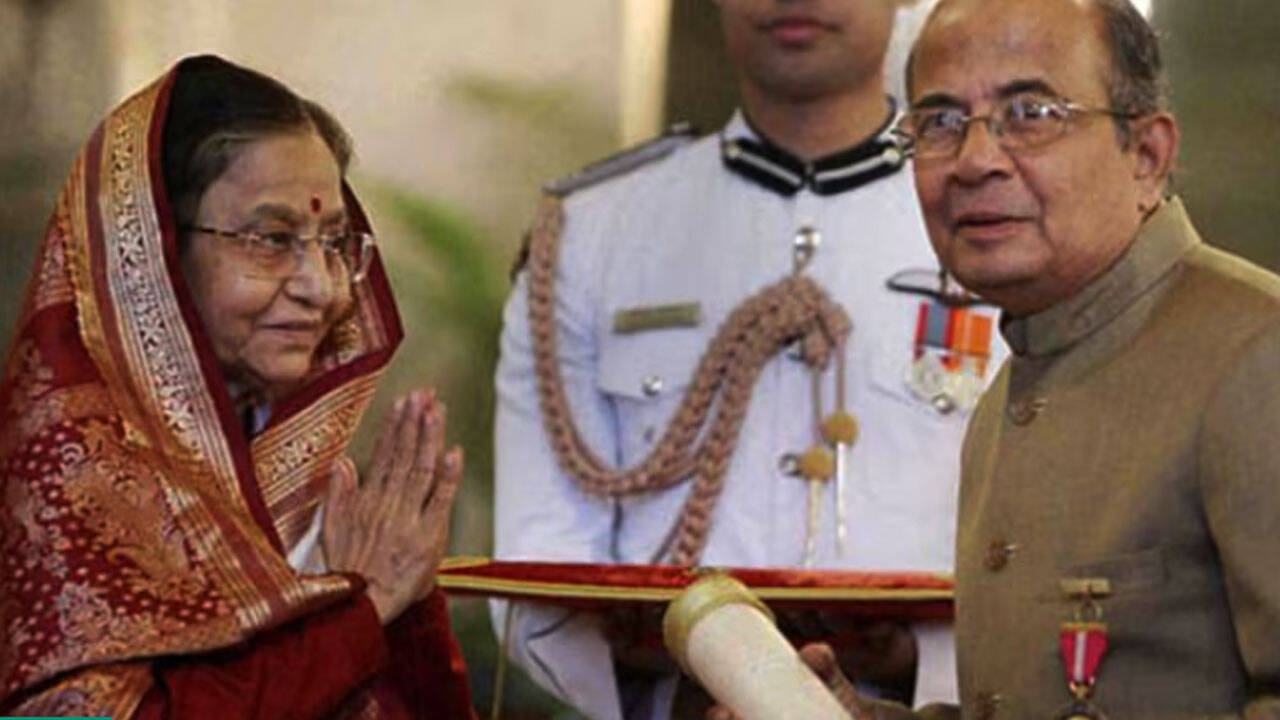
The man behind this transformation was N Vittal, a 1960-batch IAS officer from Gujarat who served as Secretary of the Department of Electronics from 1990 to 1996. Recognizing the potential of shared digital infrastructure, Vittal proposed the creation of Software Technology Parks of India (STPI). Under his guidance, STPI introduced shared satellite infrastructure, duty-free computer hardware imports, simplified approvals, tax incentives, and easier international market access.
This system enabled small companies to plug into a network supporting innovation. The story of India's IT revolution often highlights entrepreneurs like Narayana Murthy and Azim Premji, but it also emphasizes the crucial role of visionary bureaucrats like N Vittal, who laid the groundwork for the nation's technological success.
Written by urgent.news from Times of India's reporting — not their text. Machine-written — may contain errors; check the original before relying on it.