I can’t stop laughing at these failed viral smartphone eclipse photos. This is why GenAI doesn’t belong in cameras
Users across the internet are sharing photos snapped during the eclipse that look like...the Moon passing over another Moon?
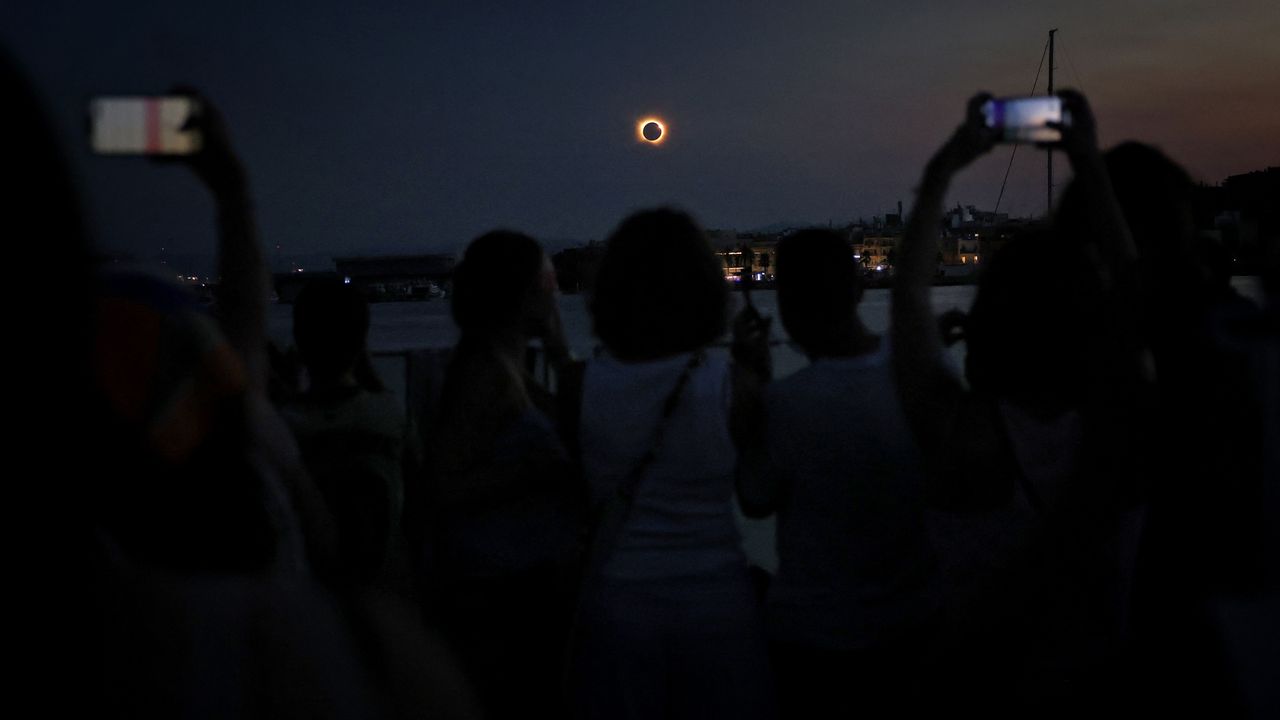
During the 2026 solar eclipse, numerous enthusiasts captured images using their smartphones, with a few inadvertently producing pictures that could only be described as impossible, as if two moons were eclipsing the sun. On social media platforms such as Reddit and Twitter, various smartphone photographers shared their eclipse photos, which appeared to show the sun's orange glow being transformed into what looked like the surface of another moon.
The alleged cause of this phenomenon lies within the supermoon mode on the Xiaomi 17 Ultra, which appears to utilize AI-enhanced photography during this mode. As one user on X (translated from Spanish) observed, "It detected a bright sphere in the sky, went into supermoon mode, and directly invented the entire surface." While enhancing the moon's surface might not be immediately apparent in a typical scenario, photographing an eclipse necessitates the use of a protective filter, turning the sun into a dark orange orb.
The error seems to be a case of mistaken identity, as the sun was misread as the moon when, in fact, it was a dark shadow. This peculiar situation is unlikely to occur frequently, given that the 2026 eclipse marked the first time mainland Spain was in the path of totality since 1905. Fortunately, it seems that disabling the supermoon mode on the phone has resolved the issue, returning the photos to the expected solar eclipse shots.
The humorous nature of this glitch is evident, though it is understandable that it would have been frustrating for someone attempting to capture a fleeting celestial phenomenon in just a few minutes. The internet's reaction to this mishap echoes a similar controversy from a few years ago when Samsung users discovered that the camera was enhancing the texture of the moon.
The viral posts over the supermoon mode eclipse mishap highlight why generative AI has no place inside cameras. While standard AI already powers exceptional camera features like subject detection and autofocus, generative AI, where a computer artificially creates something that isn't there, should not be trusted within devices that preserve memories.
Written by urgent.news from Digital Camera World's reporting — not their text. Machine-written — may contain errors; check the original before relying on it.