How the Narwhal Got Its Twisted Tusk
High-tech imaging reveals the structure of the unique spiral architecture The post How the Narwhal Got Its Twisted Tusk appeared first on Nautilus .
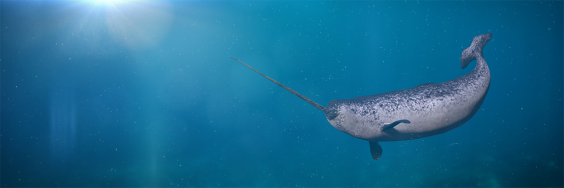
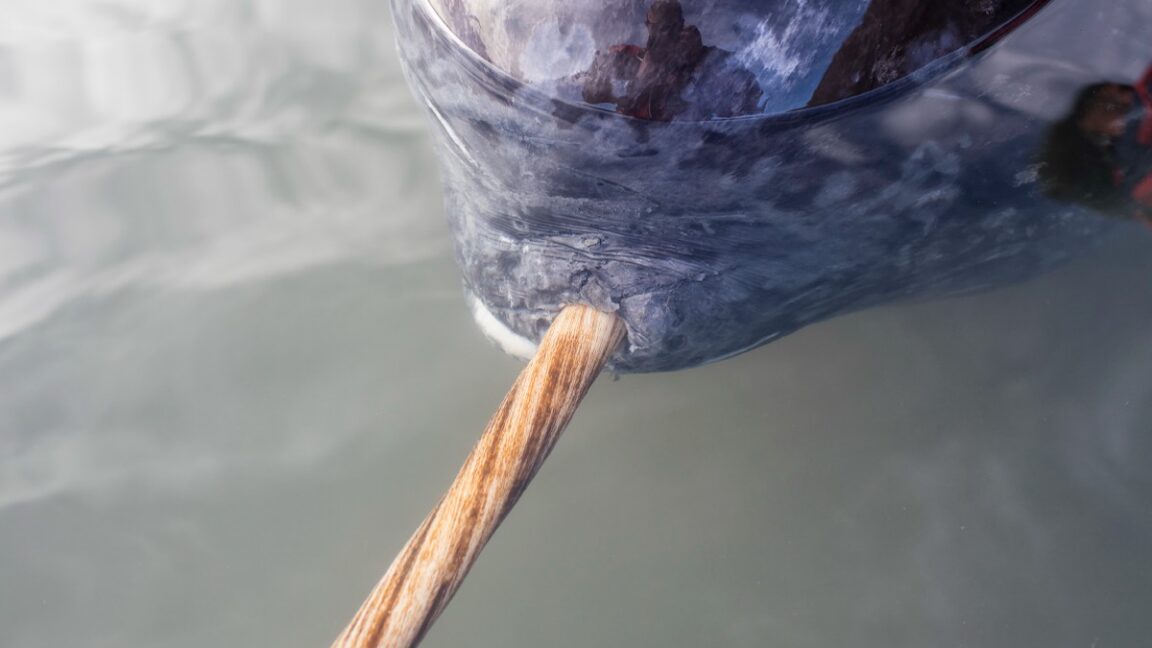
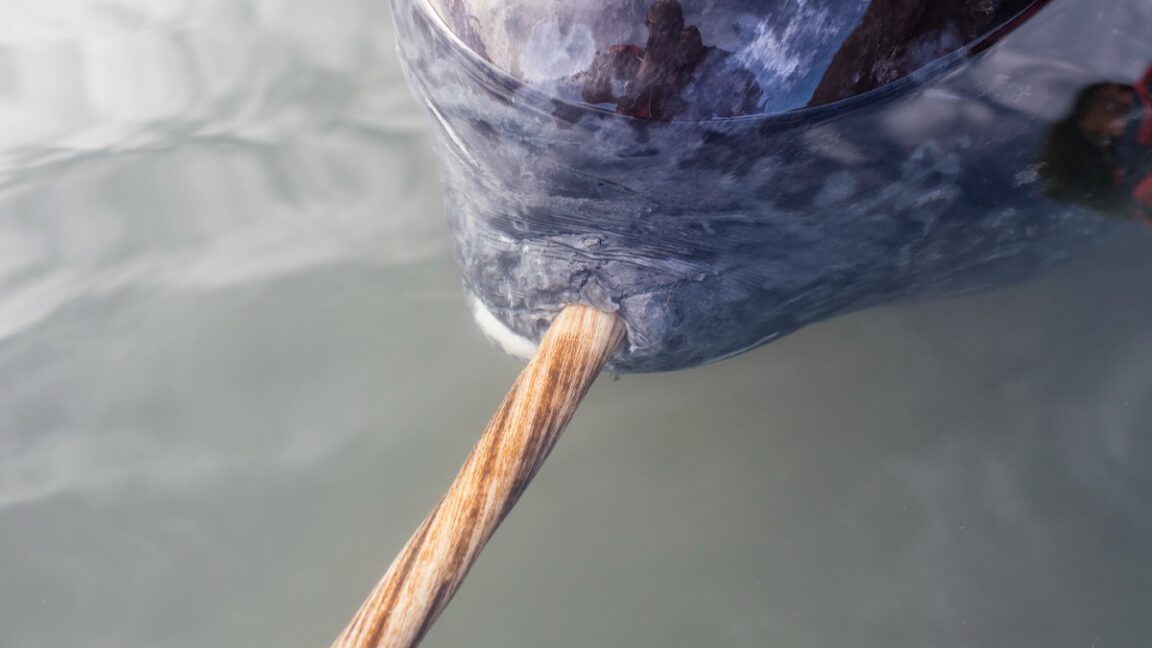
High-tech imaging has unveiled the unique spiral architecture of the male narwhal's tusk, a structure that has long fascinated humans and inspired mythical unicorns. Male narwhals possess a left upper canine that transforms into a tusk during their 80-year lifespan, while the right canine remains hidden in their skull. Over time, the tusk grows longer and thicker, maintaining its spiral pattern.
An international team of researchers from Aarhus University in Denmark analyzed the internal structure of tusks from two male narwhal skulls collected by Greenlandic Inuit subsistence hunters. Additionally, six tusks housed at the Greenland Institute of Natural Resources were examined for external measurements. Utilizing three powerful synchrotrons in Sweden, Switzerland, and France, the team employed ultrabright X-ray beams to map the tooth sections at atomic, nano, and micro scales, revealing exceptional resolution and power to capture the structural complexity of the narwhal tooth.
The analysis showed that the tusk is composed of mineralized collagen fibers, both on the exterior as "cementum" and internally as "dentine," with the fibers spiraling in opposite directions - left for cementum and right for dentine. This arrangement creates a stable helix structure due to opposing forces between the two fibers. When a tusk is cut lengthwise, the pieces torque an additional 180 degrees as force is released, demonstrating the immense helical forces at play.
The helical forces are so significant that the tusk maintains its left-handed twist even when sectioned, suggesting an innate growth pattern. Despite its impractical appearance, the tusk likely evolved through sexual selection to serve in courtship, similar to a peacock's tail—stunning, audacious, and totally impractical.
Written by urgent.news from Nautilus's reporting — not their text. Machine-written — may contain errors; check the original before relying on it.