How Hong Kong infrastructure, AI firms are tapping Malaysia’s growth prospects
Hong Kong infrastructure and artificial intelligence (AI) firms are well placed to capitalise on a surge of expansion opportunities in Malaysia, but unlocking this potential will require cultural sensitivity and adapting to local market dynamics, industry insiders have said. The remarks follow the recent opening of Hong Kong’s new Economic and Trade Office in Kuala Lumpur to bolster bilateral…
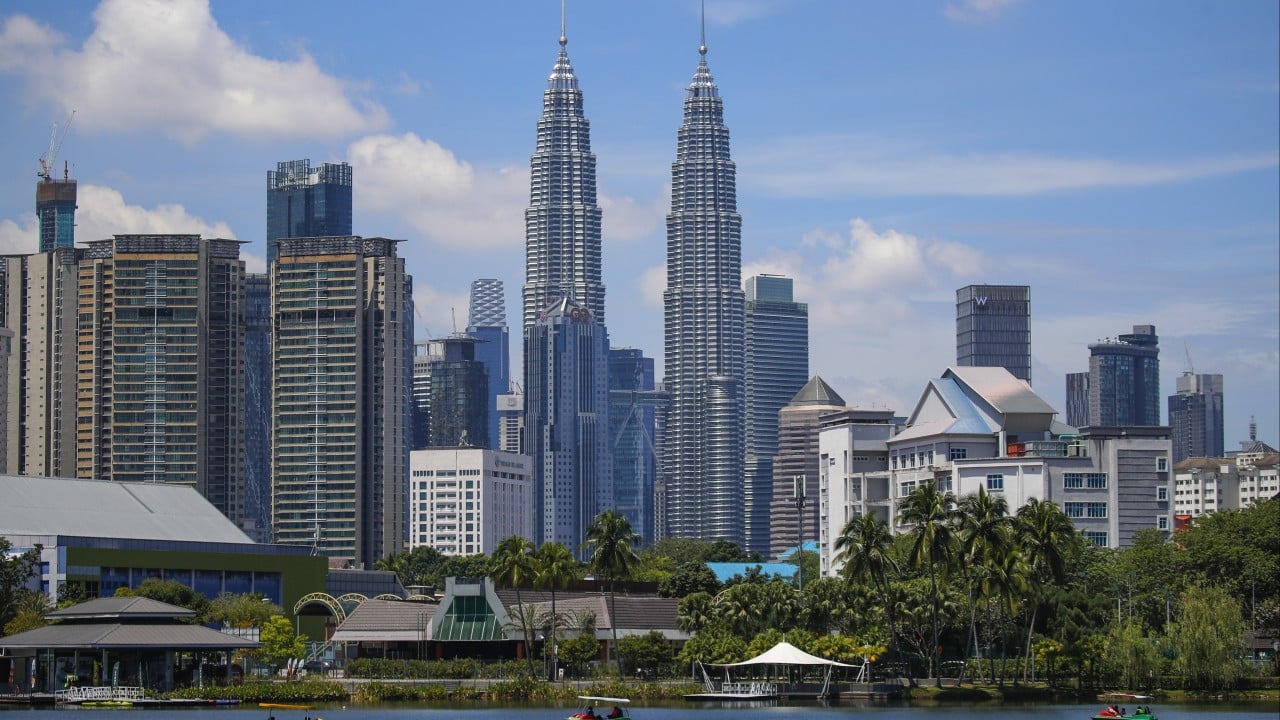
Hong Kong's infrastructure and AI firms are poised to profit from Malaysia's expanding opportunities, but cultural adaptation and understanding of local market dynamics are essential for success. This was highlighted after the recent opening of Hong Kong's Economic and Trade Office in Kuala Lumpur, alongside Malaysia's New Industrial Master Plan 2030.
Three infrastructure firms discussed their pursuit of opportunities in Malaysia with the South China Morning Post. Chang Che-son, executive chairman of railway consultancy Key Direction, emphasized Malaysia's potential for rail infrastructure expansion due to its vast geography, traffic congestion, and border connections to Thailand and Singapore.
His firm's experience with Hong Kong's MTR Corporation provided a competitive edge in local projects. Hong Kong and Malaysia traded HK$220 billion (US$28.2 billion) in 2022, solidifying their status as each other's ninth-largest trading partners. Stanley Ng, CEO of AI Cities, a robotics firm, pointed out Malaysia's market opportunities, particularly in technology, driven by labor shortages and reliance on imported workers.
He mentioned strong demand for robotics solutions and the country's open market and multilingual talent pool. Ng advised professionals to be adaptable to local workplace culture and noted that while salaries might be lower than in Hong Kong, the experience was valuable. Yardway, a Hong Kong equipment firm, established its regional hub in Malaysia during the pandemic due to the country's strategic advantages.
Its chairman, Alan Fong, highlighted the common law framework and clear regulatory environment as crucial factors for tapping into the Southeast Asian market. However, Fong cautioned that a shift in corporate culture was necessary, moving away from high-pressure management to align with local norms. The Hong Kong Trade Development Council also organized a major "Think Business, Think Hong Kong" event in Malaysia to strengthen bilateral business relations.
Written by urgent.news from South China Morning Post's reporting — not their text. Machine-written — may contain errors; check the original before relying on it.