How 35 percent of U.S. employees are left on the margins
In a new book, Paul Osterman details his research finding more than one-third of U.S. workers are “disposable,” with little security or chance of job advancement.
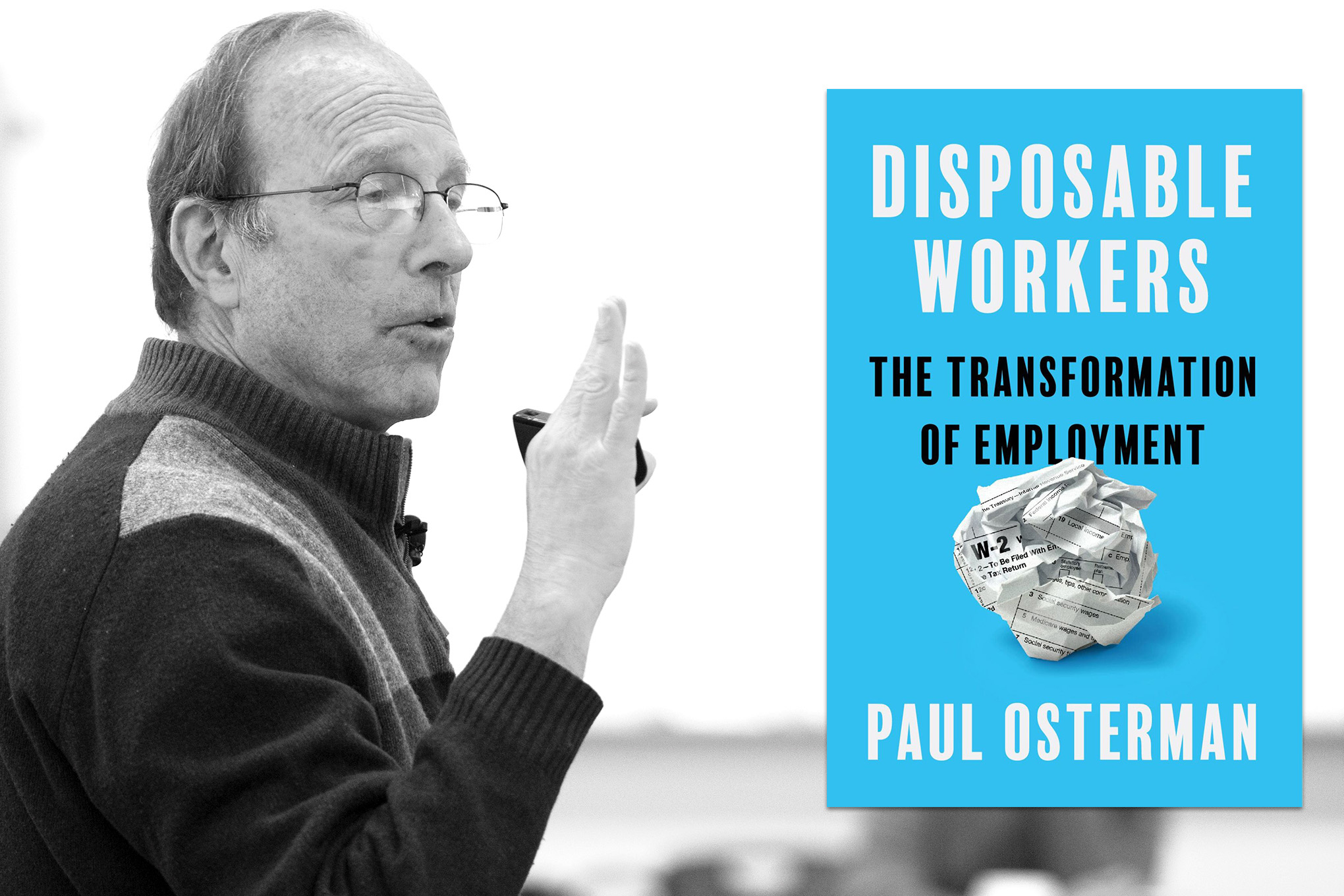
The United States workforce is witnessing a significant trend, with about one in six jobs falling under the category of "marginal workers." These workers, who account for 35 percent of U.S. jobs, are left in precarious positions without any career prospects within their organizations. Professor Emeritus Paul Osterman, an MIT labor economist and author of the book "Disposable Workers: The Transformation of Employment," defines marginal workers as "employees who have no career prospects at their organizations, [and] are employees of the organization for whom they work, but the organization does not intend to keep them."
Marginal workers include freelancers, contractors, gig employees on online platforms, and part-time employees with limited advancement opportunities. Osterman's research, based on a survey of over 6,000 workers, reveals that roughly 17 percent of U.S. employees fall into this category. This growing trend is primarily driven by firms' efforts to cut labor costs and gain flexibility.
While Osterman acknowledges that firms' motivations might not be malicious, he emphasizes that their primary concern is maximizing profits. The shift towards disposable workers has resulted in fewer employees with promotion prospects, health benefits, and employment stability. Although the long-term consequences of this trend remain unclear, Osterman believes that artificial intelligence could exacerbate the issue by increasing the use of disposable workers due to uncertainties in staffing needs.
Written by urgent.news from MIT News Research's reporting — not their text. Machine-written — may contain errors; check the original before relying on it.