Hormuz limbo is now global oil’s top risk
Lost supply and a projected demand rebound have placed the oil market in a fragile equilibrium.
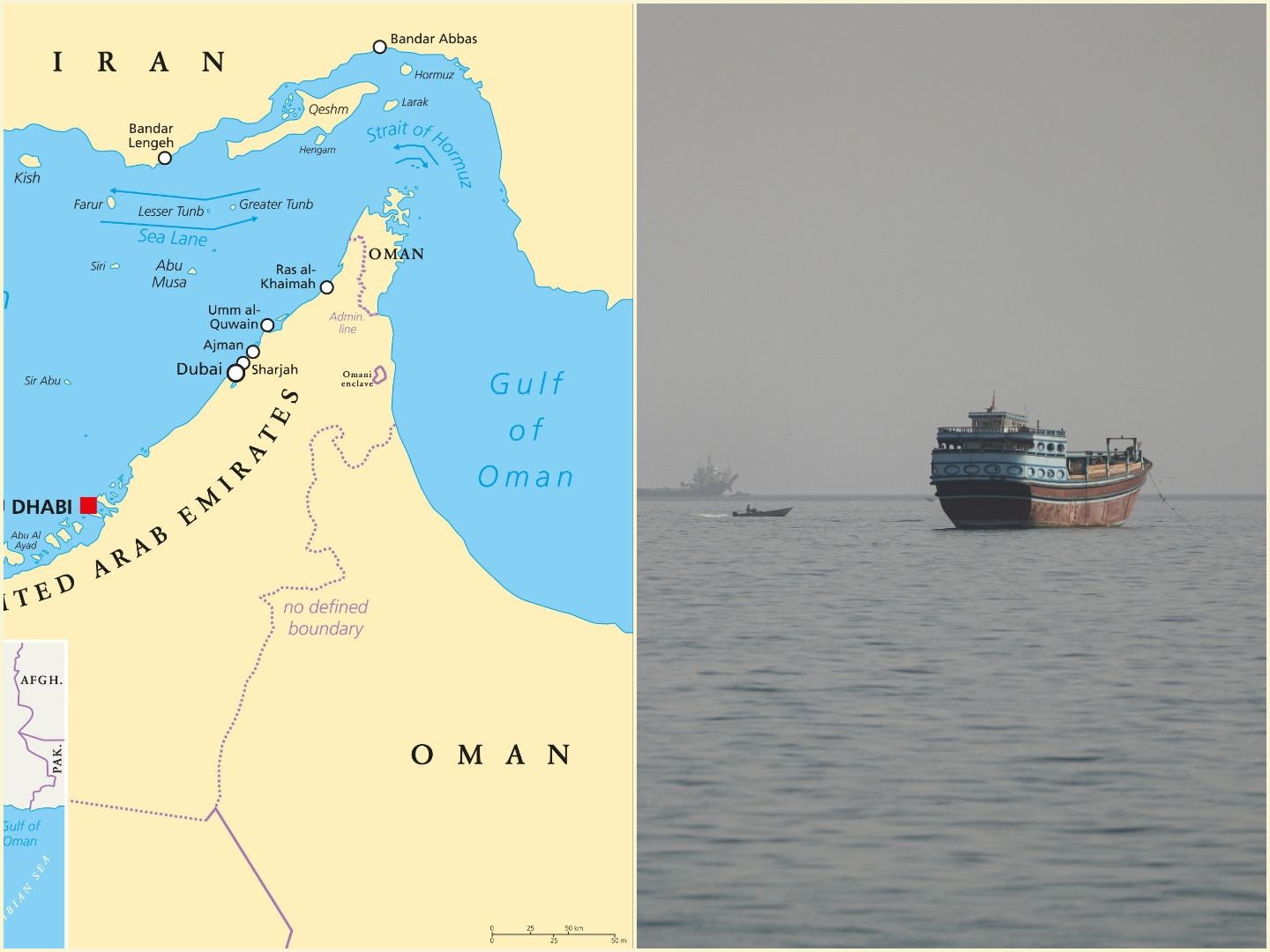
More than 170 days into the US-Iran conflict, one clear point emerges: Tehran is unwilling to relinquish its grip on the Strait of Hormuz. President Donald Trump may assert US control over the waterway, yet oil flows remain significantly below prewar levels. Uncertainty surrounding the strait's status is a growing concern, as supply bursts occur during brief periods of calm, followed by sharp declines as tensions rise, according to Kpler energy research data.
The strait is trapped in a limbo state, neither fully open nor fully closed. A partially operational Hormuz is preferable to a complete closure, though it will not provide the energy security the world requires. Until the strait is fully reopened and the conflict resolved, both producers and consumers will face ongoing uncertainty.
Anwar Gargash, a UAE diplomatic adviser, emphasizes that the region cannot maintain this state of neither war nor peace indefinitely; stability and the future of its peoples demand clarity in vision and direction.
Oil flows through Hormuz were around 9 million barrels per day (b/d) until the week ending July 13, but they have fluctuated between 3.7 million and 6.4 million b/d due to intensified attacks on commercial vessels. Houthi attacks on Saudi vessels in Bab el-Mandeb have expanded the export risks, making a prolonged disruption increasingly likely.
Most Gulf states oppose the idea of Iran imposing tolls on vessels transiting Hormuz, but pressure on countries without alternative export routes may force them to reconsider. Traders must monitor Trump's posts, as his bearish signals have been confirmed, but aligning them with the physical market is becoming increasingly challenging.
Export disruptions have resulted in the loss of approximately 2.5 billion barrels of regional supply, with no full recovery expected for at least 18 months. While oil producers face a significant hit to supply, demand is also expected to decline in 2023, although a strong rebound is anticipated in 2027. The International Energy Agency (IEA) estimates global oil demand will decrease by 1.5 million b/d this year to 103.3 million b/d, while OPEC expects a 600,000 b/d decline.
Divergence exists between these estimates, reflecting the challenge of forecasting demand during the largest oil supply disruption in history.
The key variable to watch in the coming months is China. With its accumulated reserves from the past 18 months, China has been acting as a demand-side counterbalance to OPEC. It has reduced imports, drawn down stocks, and refrained from using leverage with Iran to push for the strait's reopening. Beijing's optionality is considerable, and when it decides to increase imports, oil prices are likely to be affected, especially if Middle Eastern supply remains constrained.
China's crude intake is estimated to increase by almost 1 million b/d to 13.54 million b/d by October. Whether China taps the market during the US midterms remains to be seen. However, the larger issue transcends China, Trump, or Tehran's next move. The danger is that governments and markets may become accustomed to an intermittently functional Strait of Hormuz, misinterpreting the temporary state as a resolution.
Eventually, the lost supply will manifest in prices, and a prolonged Hormuz closure would have a more damaging impact on the global economy than the six months of conflict thus far.
Written by urgent.news from Semafor's reporting — not their text. Machine-written — may contain errors; check the original before relying on it.