Heart Aerospace’s X1 electric plane flies 27 minutes on $5 of electricity
Heart Aerospace’s X1 battery-electric demonstrator has completed its first 27-minute flight at Plattsburgh International Airport in New York. The aircraft, weighing more than 25,000 pounds at takeoff, reached 1,100 feet and delivered over 1 megawatt of power. The fully electric aircraft reportedly used about $5 worth of electricity during the historic test flight.
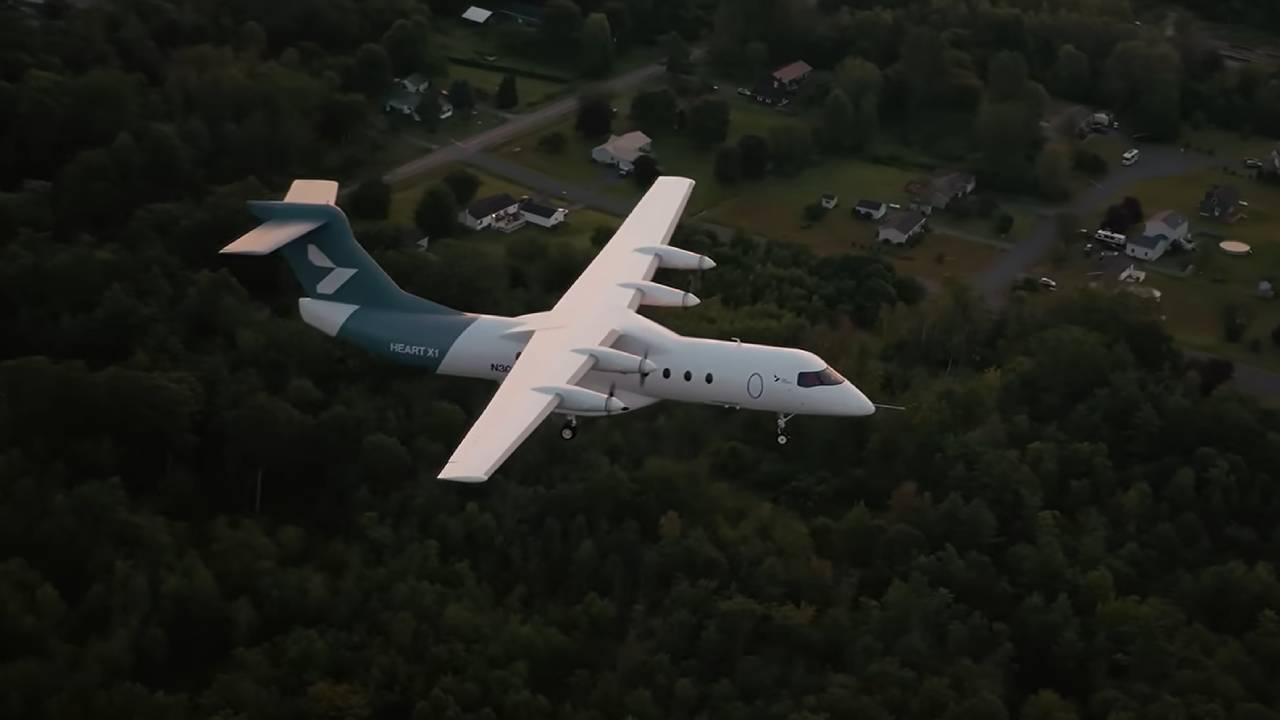
Heart Aerospace's X1 electric plane has successfully completed its first flight, a significant milestone for the company's ambition to introduce electric propulsion to commercial aviation. Weighing over 25,000 pounds at takeoff, the full-scale demonstrator is the largest battery-electric aircraft ever flown. On August 12, the 27-minute test mission saw the X1 reach an altitude of 1,100 feet and demonstrate the power of its all-electric propulsion system, which generated more than 1 megawatt of power.
Heart Aerospace founder and CEO Anders Forslund remarked, "With the first flight of X1, Heart Aerospace has demonstrated electric flight at the scale of a commercial airliner." The X1 measures 106 feet across its wings, is 76 feet long, and weighed more than 25,000 pounds during takeoff. It featured a composite fuselage and wings, designed as a full-scale technology demonstrator for Heart Aerospace's planned ES-30 regional aircraft.
The test flight, conducted under an FAA Special Airworthiness Certificate in the Experimental Category, included taxiing, takeoff, climb, maneuvering, and landing. Remarkably, the X1 used approximately $5 worth of electricity during its first flight, showcasing the potential for electric propulsion to lower aircraft operating costs and reduce exposure to global oil price fluctuations.
However, Heart Aerospace's planned ES-30 production aircraft will employ a hybrid-electric configuration, as it must undergo full FAA Part 25 certification before carrying passengers commercially. The ES-30 aims to reduce aircraft operating costs by more than 40% compared to legacy regional aircraft, with estimated savings attributed to lower energy costs, reduced maintenance requirements, improved aircraft availability, and reliability.
United Airlines, Air Canada, and JSX have committed to the ES-30, amounting to approximately $9.4 billion in collective support. The X1's first flight marks a major step forward for Heart Aerospace as it develops a broader technology platform for electric airliners, targeting 2028 for flight testing of the first pre-production ES-30 and commercial entry into service by 2031.
Written by urgent.news from Times of India's reporting — not their text. Machine-written — may contain errors; check the original before relying on it.