Hallucinating history: Korea enlists youth ambassadors to fix AI errors on cultural heritage
When queried about Deoksu Palace, a prominent generative artificial intelligence (AI) system hallucinated a striking piece of architecture, rendering an image of the fountain in front of Seokjojeon hall as a traditional lotus pond similar to Buyongji, located kilometers away at Changdeok Palace. The glitch is symbolic of a growing challenge for cultural institutions in the digital age and…
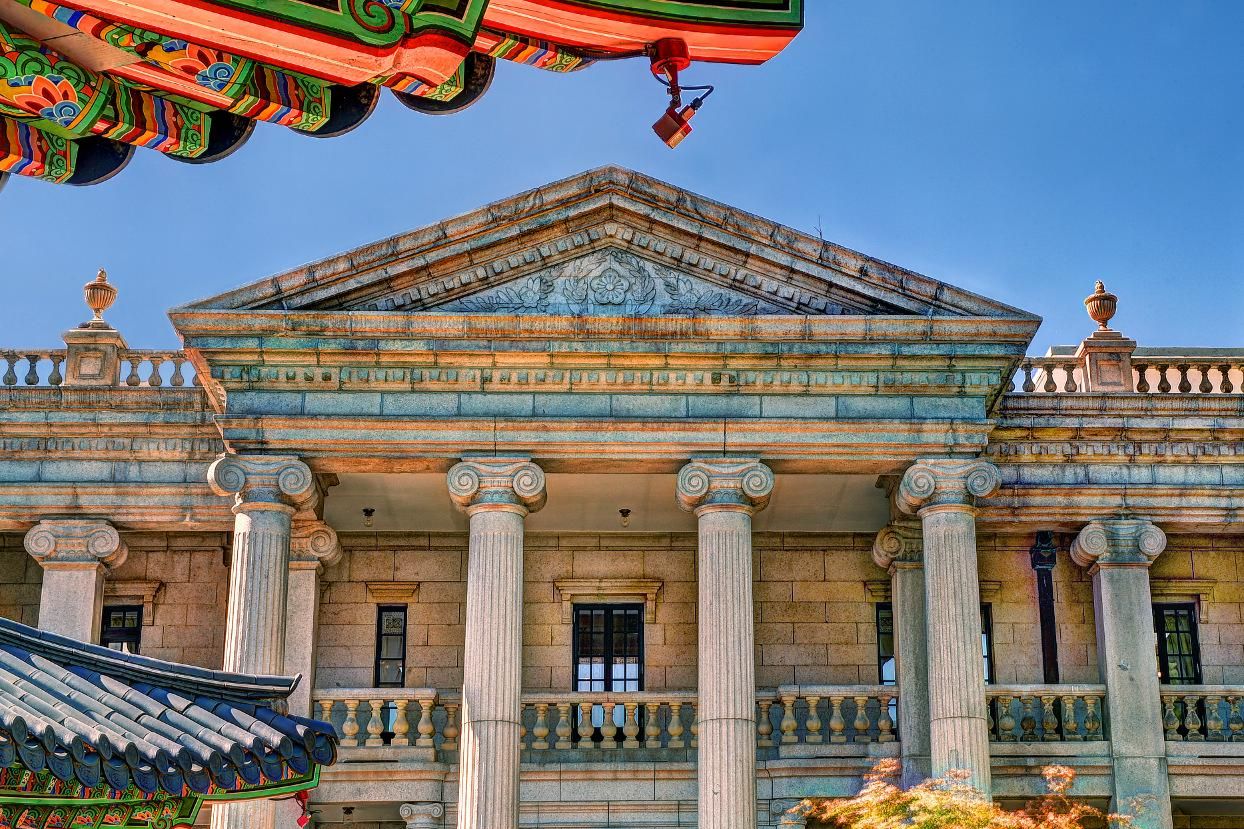
A recent campaign in South Korea aimed to rectify inaccuracies generated by artificial intelligence regarding the nation's cultural heritage. The initiative, involving young ambassadors, proved successful in addressing digital distortions and preserving historical truth. The National Research Institute of Cultural Heritage collaborated with a civil diplomacy organization to launch the "Global AI Cultural Heritage Ambassadors" program.
Over the course of a month, 76 young participants conducted systematic searches to identify errors in AI-generated images of historical sites. One notable example of AI's inaccuracy involved the depiction of Deoksu Palace, where the AI system mistakenly portrayed a fountain in front of Seokjojeon Hall as a traditional lotus pond, similar to one found at a different location.
The campaign's success highlights the growing challenge faced by cultural institutions in the digital age and emphasizes the need for interventions to ensure the integrity of historical information in an era where generative AI serves as the go-to reference tool.
Written by urgent.news from The Korea Times's reporting — not their text. Machine-written — may contain errors; check the original before relying on it.