Gulzar didn’t write women to be liked, he wrote them to be understood
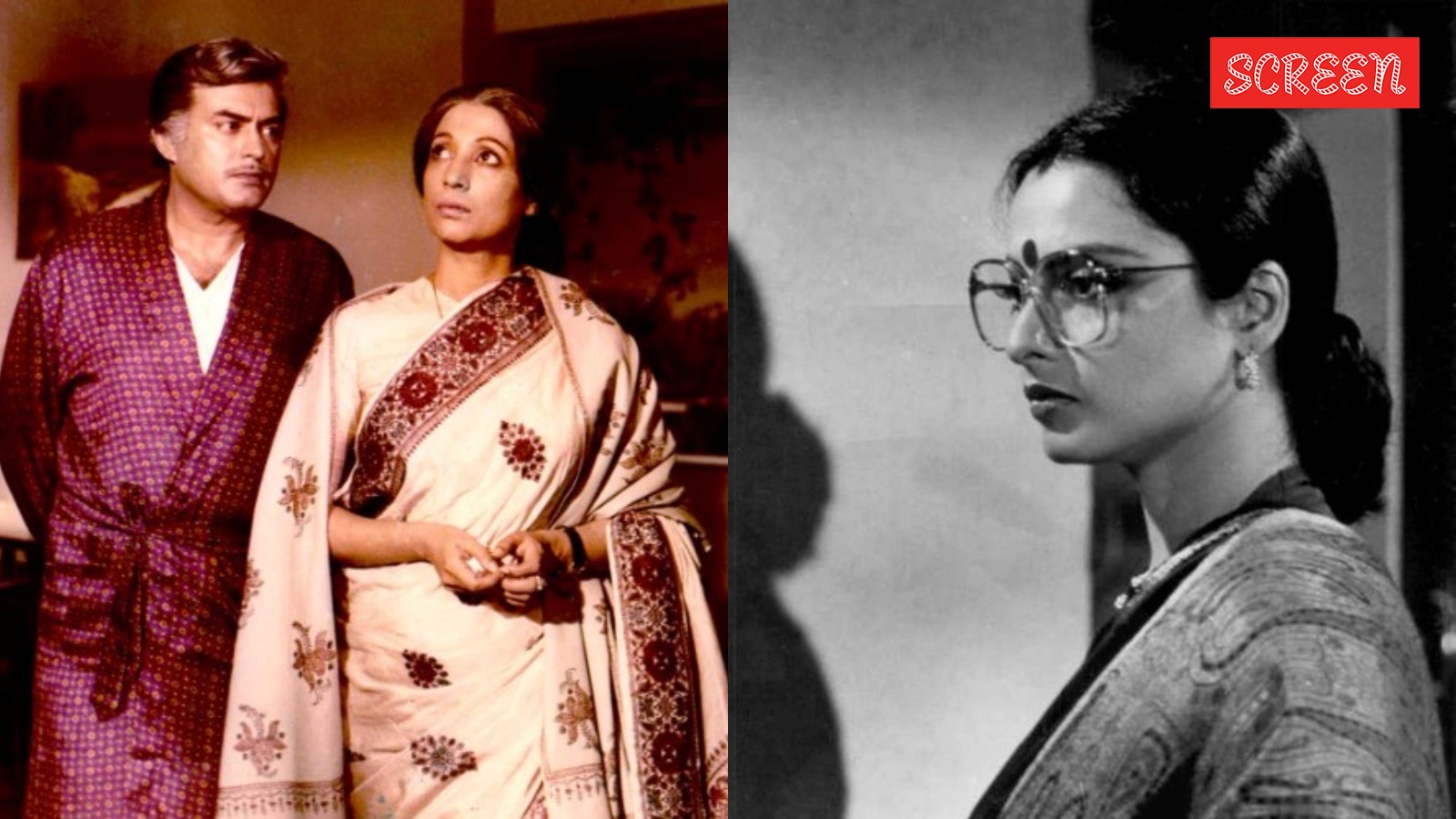
Gulzar's work as a lyricist and poet preceded his transition to directing. He had a unique ability to capture a woman's longing in just four lines of a song, often with a tenderness rarely found in Hindi film music. While writing songs allowed him to portray a woman's longing and leave it at that, directing a film required him to follow the woman through various stages of life - getting older, making mistakes, falling for the wrong person, and facing societal judgment. This proved to be a more challenging task.
Aandhi is a prime example of Gulzar's approach. Aarti Devi, the lead character, doesn't discover politics because of her husband, but rather chooses it mid-campaign, years after leaving him, even though she still loves him. Gulzar chose to focus on Aarti's story without introducing other women in the film, allowing the audience to see her perspective without any distractions. Gulzar wanted to pose a simple question through this choice: why couldn't a woman be outdoors and ambitious, without being confined to the house?
The film doesn't provide a resolution to this question by altering the marriage. Instead, Aarti and her husband learn that love alone is not enough to make their lives fit together. Similarly, in Khushboo, Gulzar allows his characters to express their desires without turning them into monologues about independence. Khushboo, who was married as a child and abandoned by her husband, chooses to stay away from him even when he returns.
Her refusal is not a rebellion, but a demonstration of her pride in deciding her own life without anyone else's permission.
In Ijaazat, Gulzar chose to portray two women - Maya and Sudha - with opposite temperaments but similar desires. Maya, who believes in freedom and independence, refuses to get married, while Sudha, who is more patient and dutiful, tries to understand her husband's past instead of resenting her. Neither of their paths are portrayed as the wrong choice. Instead, the film focuses on their individual journeys, highlighting that love and happiness can come in various forms.
Maachis also adopts a similar approach in Meera. Instead of reducing Meera to her profession, the film shows her devotion to Krishna as an act of defiance against a restrictive society. Meera's journey is not about finding a different life, but about having her own life, one that is open and unconfined.
Overall, Gulzar's films present women as complex individuals, each with their own set of desires, struggles, and choices. He refrains from reducing them to mere stereotypes or narrative devices, instead allowing them to shape their own stories and drive the plot forward.
Written by urgent.news from The Indian Express's reporting — not their text. Machine-written — may contain errors; check the original before relying on it.