Government borrowing costs hit highest level since 2007
High bond yields put upward pressure on mortgage and credit card rates.
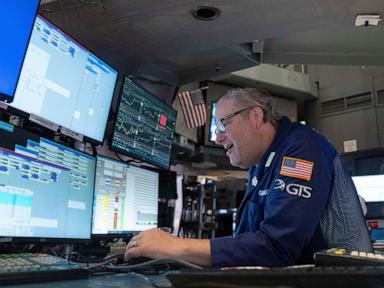
Government borrowing costs reached their highest level since 2007 due to investors' flight from U.S. treasuries amid concerns of persistent inflation linked to the ongoing Iran conflict. Bond yields, which influence mortgage and credit card rates, saw a decline on Wednesday as the Trump administration planned a significant increase in the amount of debt to be repurchased by the Treasury Department.
The 30-year Treasury yield dropped to 5.20% from a 19-year high a day earlier, and the 10-year yield fell as well, affecting mortgage and credit card rates. Major stock indexes experienced mixed reactions to the relief for yields, with the Dow Jones Industrial Average rising 0.4% and the S&P 500 increasing 0.3%. While lower yields could potentially benefit consumers through reduced mortgage and credit card rates, lingering concerns about inflation remain.
The Treasury Department announced it would double its buyback operations for long-term debt, providing additional demand for U.S. treasuries and easing yields. However, the global oil shock, pushing energy prices above $91.50 per barrel and U.S. gas prices to $4.08, has contributed to inflation staying well above the Federal Reserve's target rate of 2%.
Fed Chair Kevin Warsh has vowed to address inflation but market skepticism persists regarding the central bank's readiness to raise interest rates urgently.
Written by urgent.news from ABC News (US)'s reporting — not their text. Machine-written — may contain errors; check the original before relying on it.