Google Pixel Tag vs AirTag 2: Which $29 Tracker Is Better?
Google Pixel Tag and Apple’s second-generation AirTag start at the same price, but their tracking, sharing, and device requirements differ sharply. The post Google Pixel Tag vs AirTag 2: Which $29 Tracker Is Better? appeared first on TechRepublic .
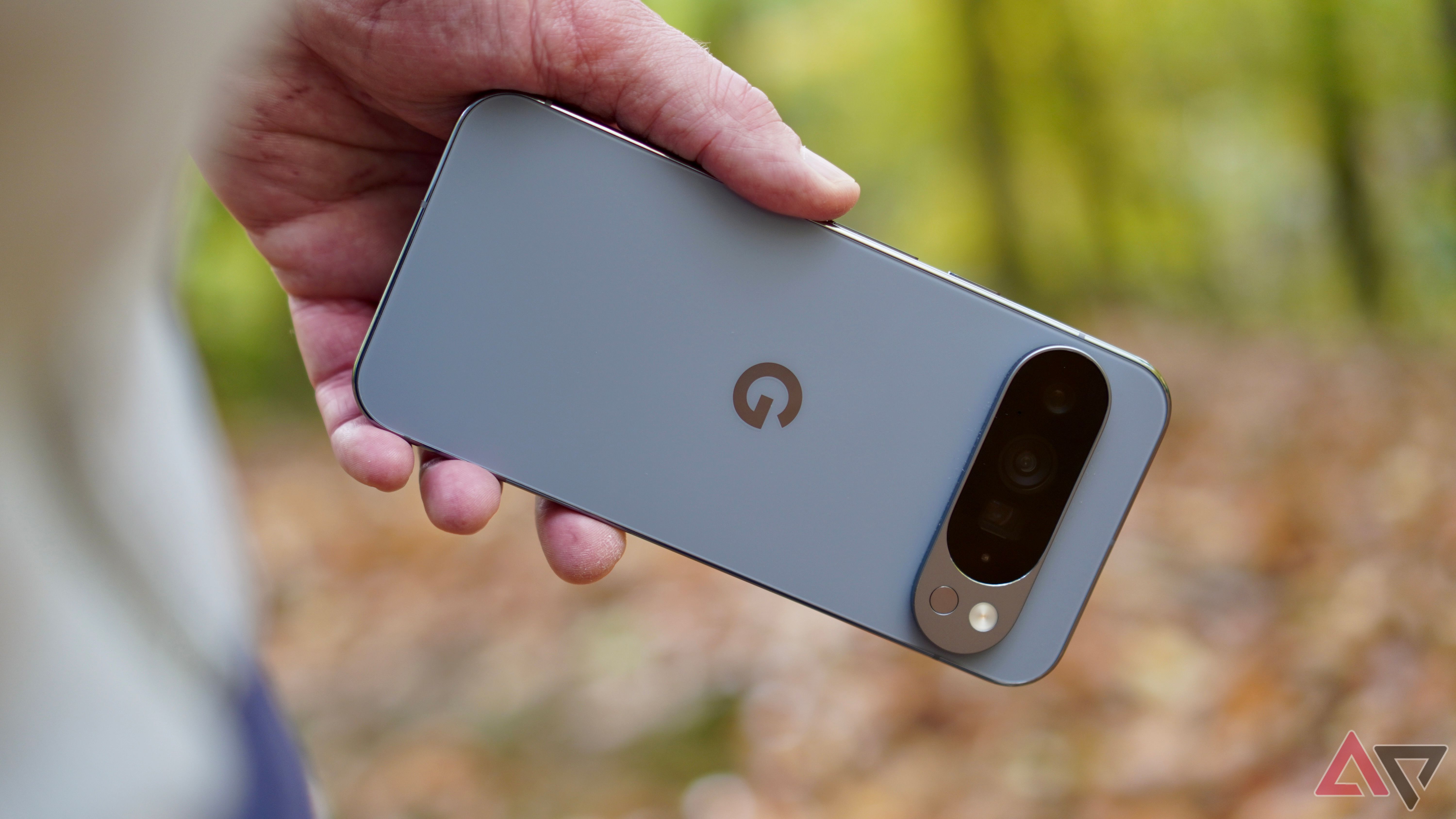
Google Pixel Tag and Apple's second-generation AirTag both sell for $29 each, or $99 for a four-pack. The main difference between them is which phone you already own. Pixel Tag is designed for Android devices, while AirTag requires Apple hardware and an Apple account. The Pixel Tag won't be available in stores until November 11, so its claims about range and battery life are still estimates.
Both trackers use Fast Pair to connect to Android 9 or later phones and employ Find Hub to locate items when Bluetooth range is exceeded. Google's tracker also integrates Ultra Wideband and Bluetooth Channel Sounding for more precise direction. Apple claims its second-generation UWB chip boosts Precision Finding by up to 50%, with a louder speaker as well. Both trackers are dust- and water-resistant and use replaceable coin-cell batteries, though Google doesn't publish battery life estimates.
When it comes to sharing, Pixel Tag can share with up to 10 people, and can ring an Android phone it's attached to. AirTag limits sharing to five people, but can be found on Apple Watch Series 9 or later, or Apple Watch Ultra 2 with compatible software. Sharing capabilities are a significant distinction - Pixel Tag lets any user share with up to ten people, while AirTag limits to five.
Recovery tools differ as well. Google has enhanced Find Hub to include lost-luggage recovery features, where users can send location links to airlines. Apple's Share Item Location is accepted by over 50 airlines, but can be stopped and expires after seven days. Both companies include safeguards against unwanted tracking - Google warns Android users if an unfamiliar tracker moves with them, and Apple says AirTag supports alerts across platforms with constantly changing Bluetooth identifiers.
For Android users who want Find Hub, ten-person sharing, and reverse phone finding, Pixel Tag is a better fit. iPhone and iPad owners get deeper Find My integration, a louder AirTag, watch-based Precision Finding, and an established airline recovery workflow. Neither company presents these products as enterprise asset tracking solutions, so businesses should not assume they offer fleet management, audit logging, or organizational policy controls.
Written by urgent.news from TechRepublic's reporting — not their text. Machine-written — may contain errors; check the original before relying on it.