Global bonds, stocks jolted as Middle East tensions shatter market calm
The yield on the US 30-year Treasury bond rose 1.64 basis points to 5.3264%, its highest in almost 20 years.
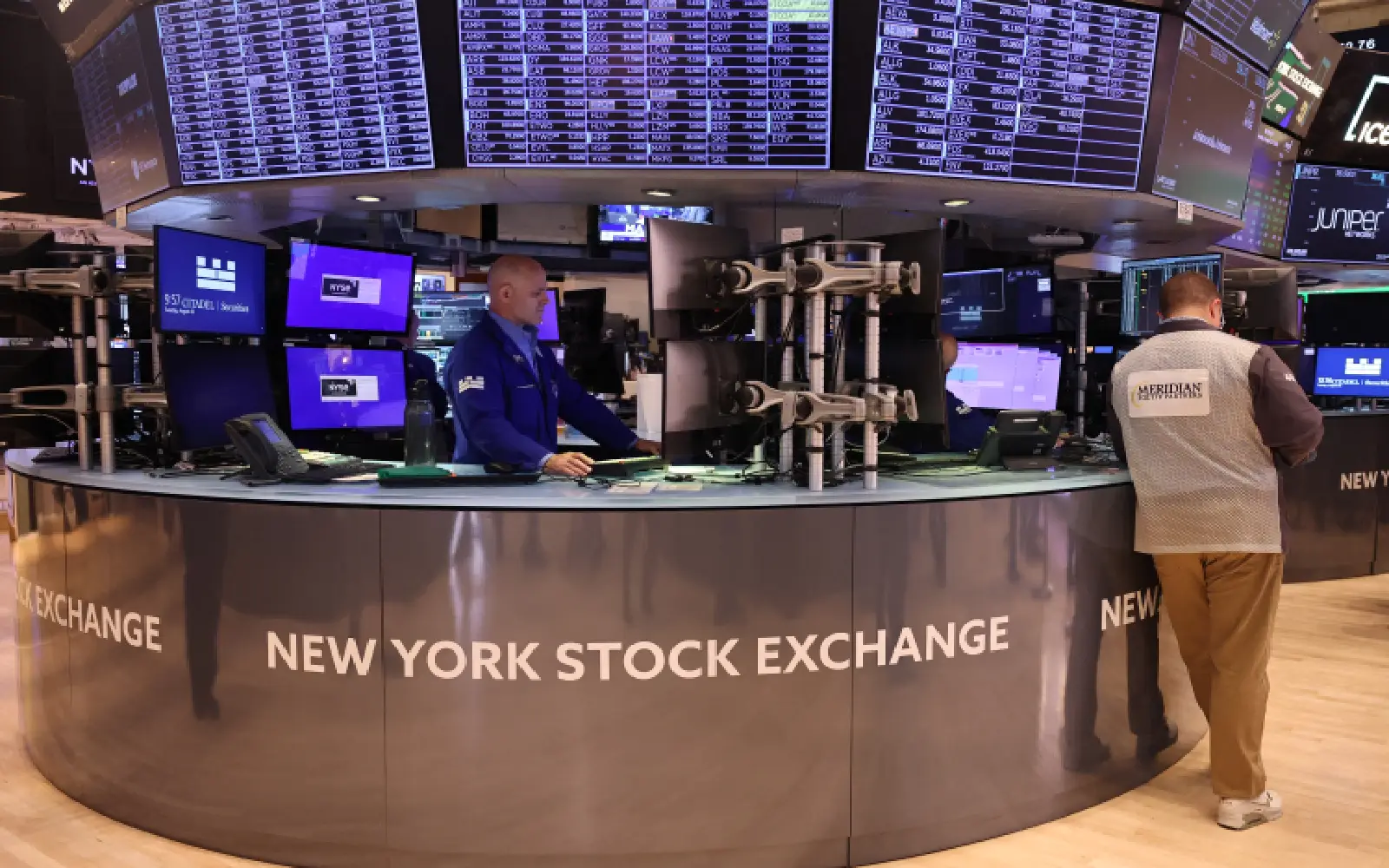
Global bonds and stocks experienced significant turbulence as Middle East tensions escalated, shaking market stability. The US government bond market witnessed a rapid sell-off on Tuesday, with the 30-year Treasury yield reaching a near two-decade high, fueled by concerns over potential war escalation and inflation risks. Oil prices surged for the third consecutive day, reaching their highest level since late last month, as signals from Washington and Tehran dampened hopes of an imminent conflict resolution.
This market reaction underscored that Middle East tensions remain a potent risk factor, capable of reverberating across various asset classes, including oil, bonds, currencies, and equities.
The Federal Reserve's September policy meeting saw a reduced likelihood of a rate hike, dropping to 36.6% from 48.4% a week prior, based on the CME FedWatch tool. However, should tensions intensify and lead to conflict escalation, a mid-cycle adjustment would be necessary, according to George Bory, chief investment strategist for fixed income at Allspring Global Investments.
Bond yields, particularly in the US, climbed to their highest levels in nearly two decades, with the 10-year Treasury bond trading up 1.59 basis points at 4.7399%.
The impact extended to other major government bond markets, with Japan's 10-year bond nearing a 3% threshold for the first time since the mid-1990s, and euro zone bond yields hovering at multi-year highs. European equities, represented by the STOXX 600, declined by 0.52% to 652.99. On Wall Street, futures for the S&P 500 and Nasdaq 100 slipped by 0.54% and 1.05%, respectively. The MSCI gauge of global stocks also fell by 0.28% to 1,153.38.
High bond yields can negatively affect equities by making stocks less appealing and increasing borrowing costs for capital-intensive companies investing heavily in AI infrastructure. Volatility indices, such as the CBOE Volatility Index, hit their highest levels in over a week, reflecting growing market uncertainty. Investors are closely monitoring the minutes of the Federal Reserve's most recent policy meeting, set to be released on Wednesday, as well as the upcoming Jackson Hole symposium, which could provide insights into policymakers' interpretations of recent economic data.
As the Federal Open Market Committee, the Fed's interest-rate-setting body, continues to release limited information, the minutes from their meetings have become crucial in conveying the balance of views among policymakers.
Written by urgent.news from Free Malaysia Today's reporting — not their text. Machine-written — may contain errors; check the original before relying on it.
Also reported by 1 other outlet
- Global bonds, stocks jolted as Middle East tensions shatter market calm freemalaysiatoday.com