Flight path changes aim to cut planes' climate-warming contrails
A trial backed by the UK government and Google will use AI to look at how aircraft can reduce their vapour trails by tweaking their flight paths. Operation Blue Skies comprises two trials that will be conducted during the winter in the Shanwick Oceanic airspace above the eastern half of the North Atlantic corridor. The trials will evaluate the feasibility and environmental benefits of adjusting…
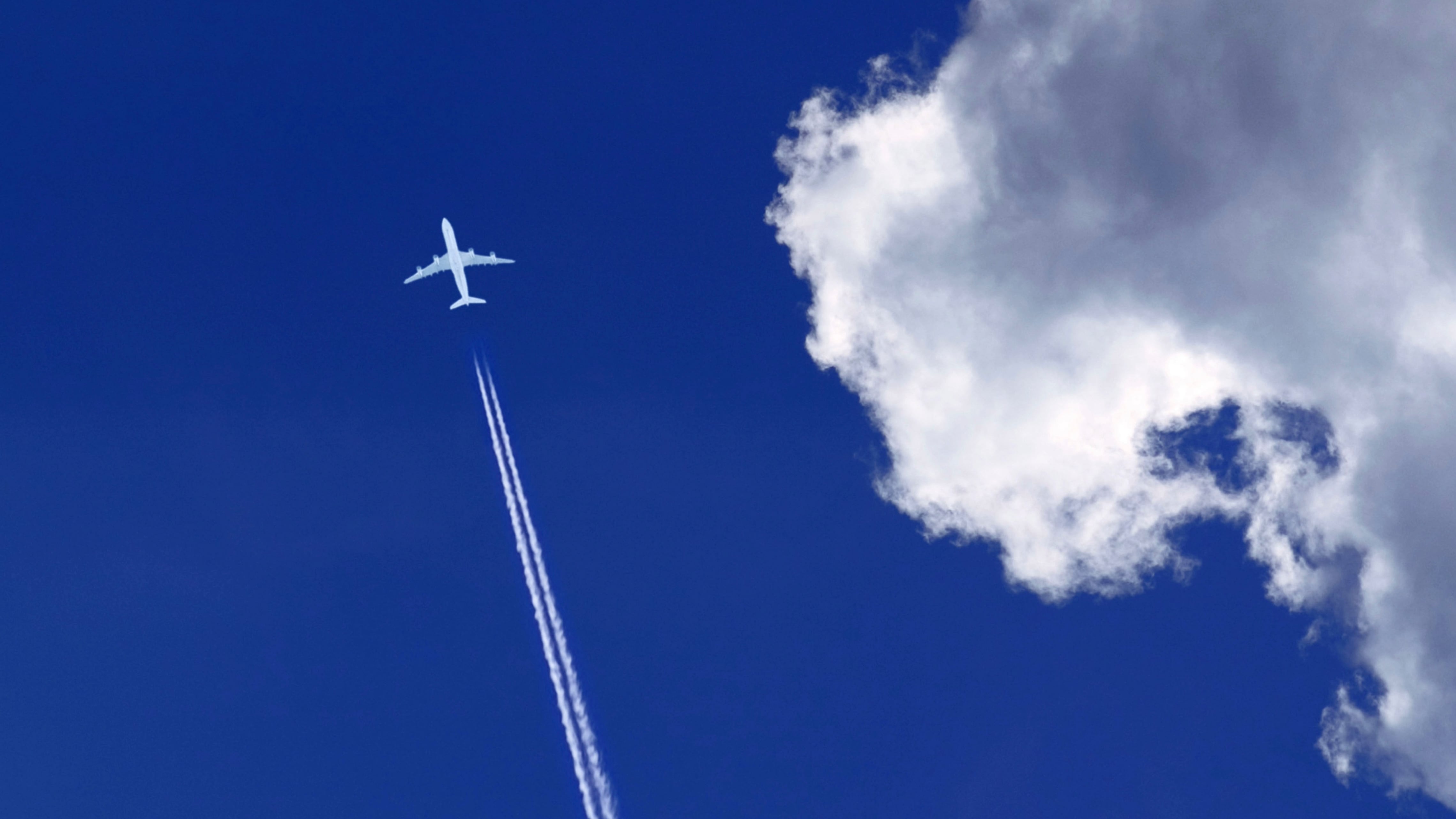
A UK government-backed trial utilizing artificial intelligence aims to reduce aircraft contrails, which are climate-warming vapour trails produced by jet engines. The "Operation Blue Skies" project includes two winter trials in the Shanwick Oceanic airspace over the eastern North Atlantic. By adjusting flight altitudes, researchers hope to avoid atmospheric conditions that foster persistent contrails.
This region accounts for approximately 5% of global contrail warming, particularly between November and February. The initiative leverages AI models to pinpoint optimal intervention points and times. Managed by NATS in partnership with Imperial College London, Cambridge University, the Met Office, and Contrails.org, the trials seek to identify small flight path modifications that could significantly diminish contrail-related climate impact.
Contrails, formed by water vapour condensing and freezing around soot particles in the upper atmosphere, contribute to about one-third of aviation's total climate impact. Aviation Minister Keir Mather emphasized the government's pursuit of practical methods to make air travel more environmentally friendly. According to Marc Stettler, an Imperial College London professor, a 2020 study demonstrated that slight flight path adjustments could lower contrail climate effects.
Imperial College's role involves independently evaluating the trial's impacts on airline operations and climate benefits, providing crucial evidence for broader implementation if warranted. Funded by £5 million over 30 months, with £2.65 million from the Department for Transport, Google UK contributes £1.4 million in AI research expertise, engineering time, and high-performance computing resources.
Written by urgent.news from The National Business's reporting — not their text. Machine-written — may contain errors; check the original before relying on it.
This story
This is one outlet's version. Read the fullest account.
- Flight path changes aim to cut planes' climate-warming contrails thenationalnews.com