Finance Ministry says e-invoices, though unpopular, are necessary to rein in shadow economy
PUTRAJAYA, Aug 18 — The Ministry of Finance today admitted that some of its policies are unpopular but defended th...
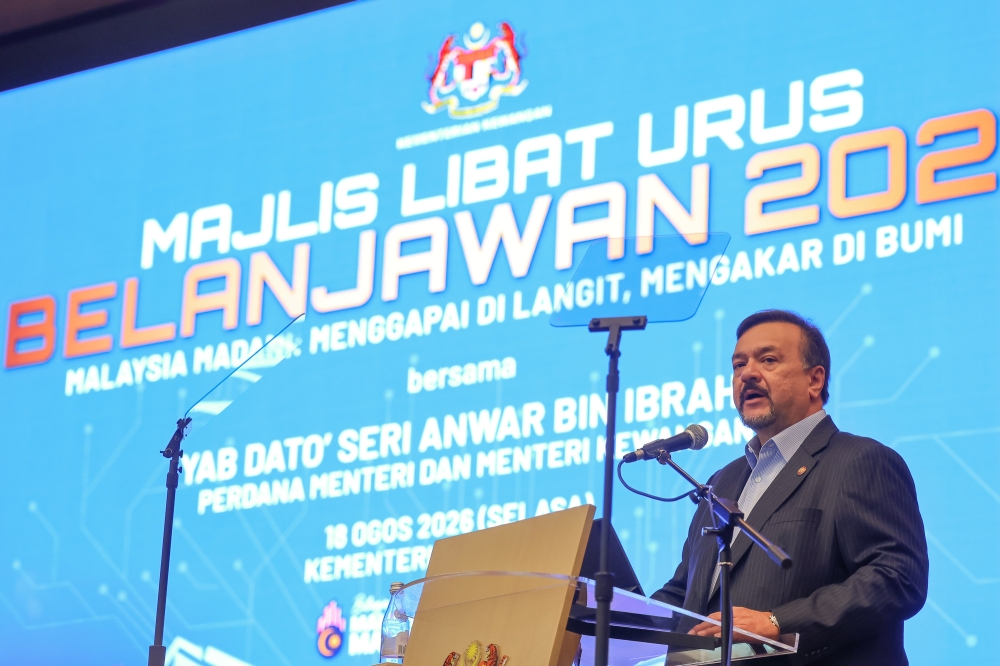
PUTRAJAYA, Aug 18 — The Ministry of Finance acknowledged that some of its policies, such as e-invoicing, may be unpopular but emphasized their necessity for shrinking Malaysia's vast shadow economy. Ahead of the Budget 2027 presentation in October, Finance Minister II Datuk Seri Amir Hamzah Azizan defended the policy, stating that while it was not without grumbles, particularly from small enterprises, it was essential for the country's long-term prosperity.
He explained that restructuring the economy is a challenging task, and unpopular policies are sometimes necessary for better future outcomes. The implementation of e-invoicing, phased in stages, is aimed at increasing transparency within the business ecosystem and reducing the shadow economy's size, which is estimated to be 21% to over 30% of the GDP, equating to approximately RM300 billion to RM330 billion annually.
The mandatory electronic invoicing system has faced resistance due to its complexity, high costs, and the stress it places on businesses. Many companies struggle with outdated software that does not align with the government's stringent formatting rules, leading to delays in sales and supply chains. Small businesses are especially burdened by the expense of upgrading their technology and the requirement to adhere to exacting standards.
Furthermore, companies are concerned about the stringent penalties for minor compliance violations, including significant fines and possible imprisonment. Additionally, the frequent changes in rules and lack of clear explanations create anxiety among business owners, who feel unsupported as they navigate the regulations.
Written by urgent.news from Malay Mail's reporting — not their text. Machine-written — may contain errors; check the original before relying on it.