Fifteen years of data link plastic pollution to seabird population losses
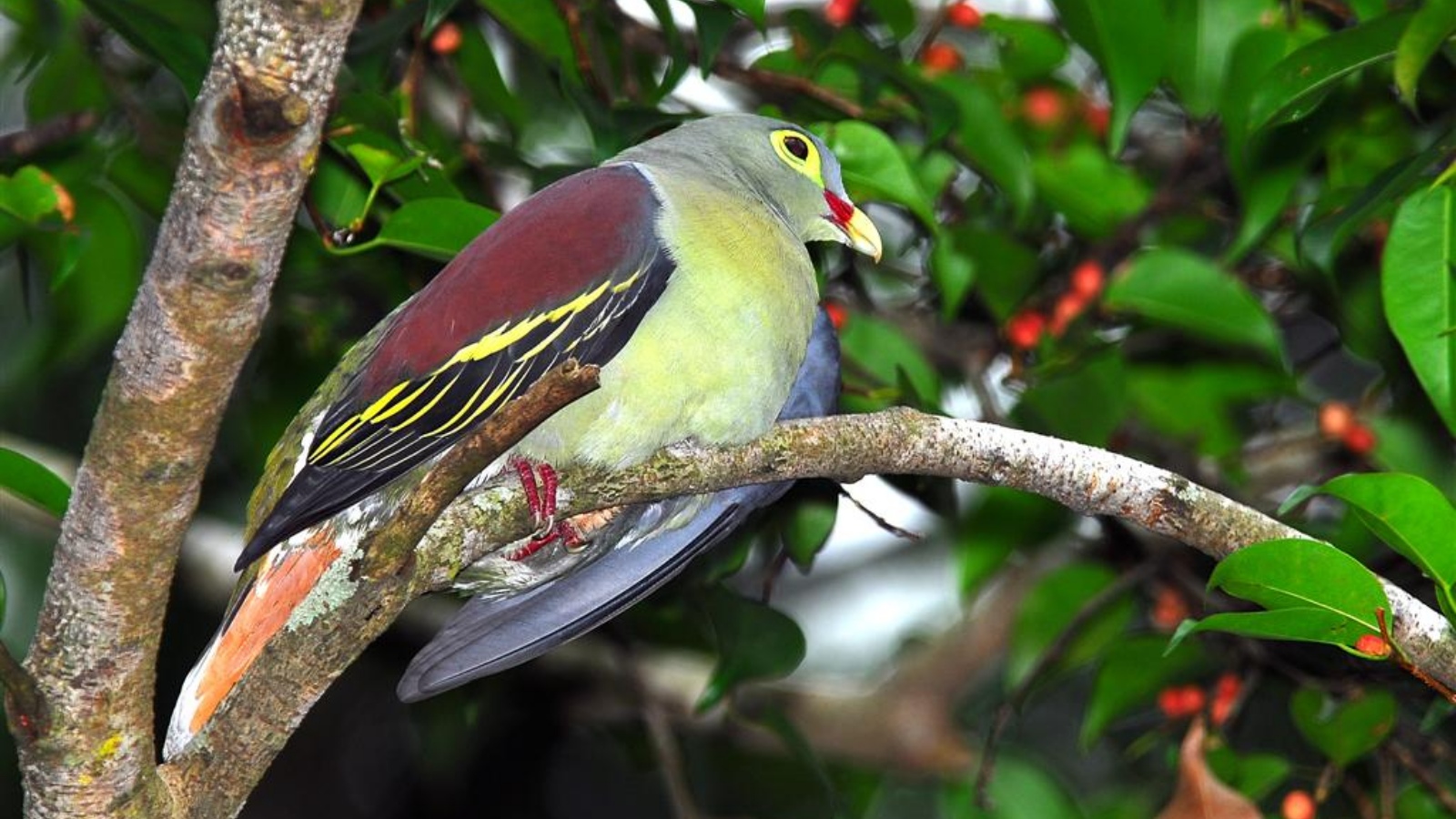
Every year, about 50 million metric tons of plastic is dumped into the environment. This waste entangles, chokes and poisons wildlife worldwide, including sable shearwaters living on the remote Australian island of Lord Howe. After hatching on the island, these birds head out to sea for several years before returning to breed as adults.

New research from the Proceedings of the National Academy of Sciences reveals a link between plastic pollution and declining populations of sable shearwaters, a species of seabird. Every year, approximately 50 million metric tons of plastic waste is released into the environment, posing significant threats to wildlife. Sable shearwaters, which reside on the remote Australian island of Lord Howe, are increasingly affected by this pollution.
These birds take several years to mature and return to the island to breed, during which time they are exposed to plastic waste.
A concerning finding is that even ingesting small amounts of plastic—less than 0.5 grams—can reduce a chick's chances of returning to breed by 12%. Birds with up to a gram of plastic have an even lower survival rate. The researchers have labeled the most severely impacted chicks as "the walking dead," as they are unlikely to return to the colony.
While the long lives of these birds currently allow the population to decline slowly, the researchers warn that this trend could accelerate as the effects of plastic pollution become more pronounced.
The study emphasizes the need for a more comprehensive approach to assessing seabird colony health, beyond just the survival rate of adult birds. Dr. Alex Bond, a co-author of the study, emphasizes that plastic pollution is not just a minor issue; it is a significant threat to the overall health and future of seabird populations.
He points out that while the study focused on sable shearwaters, all seabirds face similar challenges due to plastic waste. Without immediate action to curb the influx of plastic into the oceans, the problem is expected to worsen.
Written by urgent.news from Phys.org's reporting — not their text. Machine-written — may contain errors; check the original before relying on it.