Fears of deadly political violence rise as South Africa approaches local elections
SA’s 2026 election could be deadliest yet, analyst warns as political killings rise
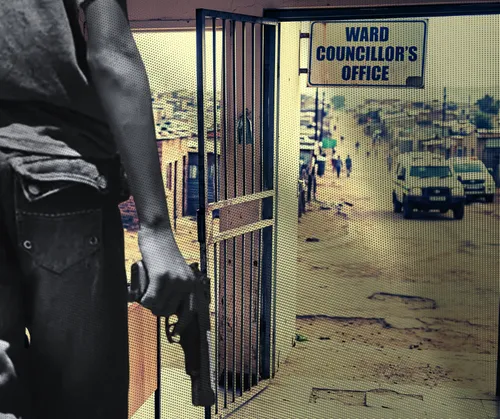
As South Africa approaches its upcoming local government elections, fears are growing that the battle for municipal power could become more violent. Corruption Watch research indicates that political assassinations have increased during local election years, with 27 recorded in 2016 and 30 in 2021. The organization attributes the rise to factionalism, tenderpreneurism, and competition over public resources for personal gain.
Political office, they argue, is increasingly viewed as a lucrative opportunity rather than a public service.
Recent politically linked killings include DA ward by-election candidate Sinovuyo Dyokwe in Dunoon, Cape Town, ANC Ward 27 councillor Sicelo Mleve in Zwide, Gqeberha, and two uMkhonto weSizwe Party members in Bekkersdal, Gauteng. The Political Killings Task Team has been formed to aid investigations. KwaZulu-Natal continues to be the country's most notorious hotspot for political assassinations, but recent incidents in Gauteng, the Western Cape, and the Eastern Cape suggest the problem is not limited to a single province or party.
Political analyst Sandile Swana warns that 2026 local government elections could potentially be the deadliest in South African history, with violence increasingly cutting across party lines. He emphasizes that the violence is not about ideological competition but rather about people wanting power and control over resources and opportunities. Swana argues that councillors can become conduits to municipal jobs, tenders, and budgets, creating incentives for violence.
Kenneth Mokgatlhe-Kgwadi, a research fellow at the Middle East Africa Research Institute, links the killings directly to the battle for public resources and the protection of political positions. He calls the phenomenon a "bloody mafia game," with political killings potentially intersecting with factional battles and criminal interests.
Dr Bandile Masuku, chairperson of the Gauteng Provincial Legislature's Portfolio Committee on Community Safety, describes the killings as an "extremely serious threat to democracy and community safety." He urges investigations to go beyond identifying the person who pulled the trigger, emphasizing the need to uncover who commissioned the killing, who benefited from it, and the networks behind it.
Masuku calls for stronger intelligence-led policing, early threat identification, and cooperation between the South African Police Service, political parties, municipalities, and communities to identify potential hotspots and at-risk individuals.
Written by urgent.news from IOL's reporting — not their text. Machine-written — may contain errors; check the original before relying on it.
This story
This is one outlet's version. Read the fullest account.