Explained: Why a super El Niño leaves tropical commodities acutely exposed
A strengthening El Niño could disrupt global supplies of cocoa, coffee and sugar through drought, heat and excessive rainfall. Forecasters see a greater than 90% chance of a very strong event, posing fresh risks to major producing regions.
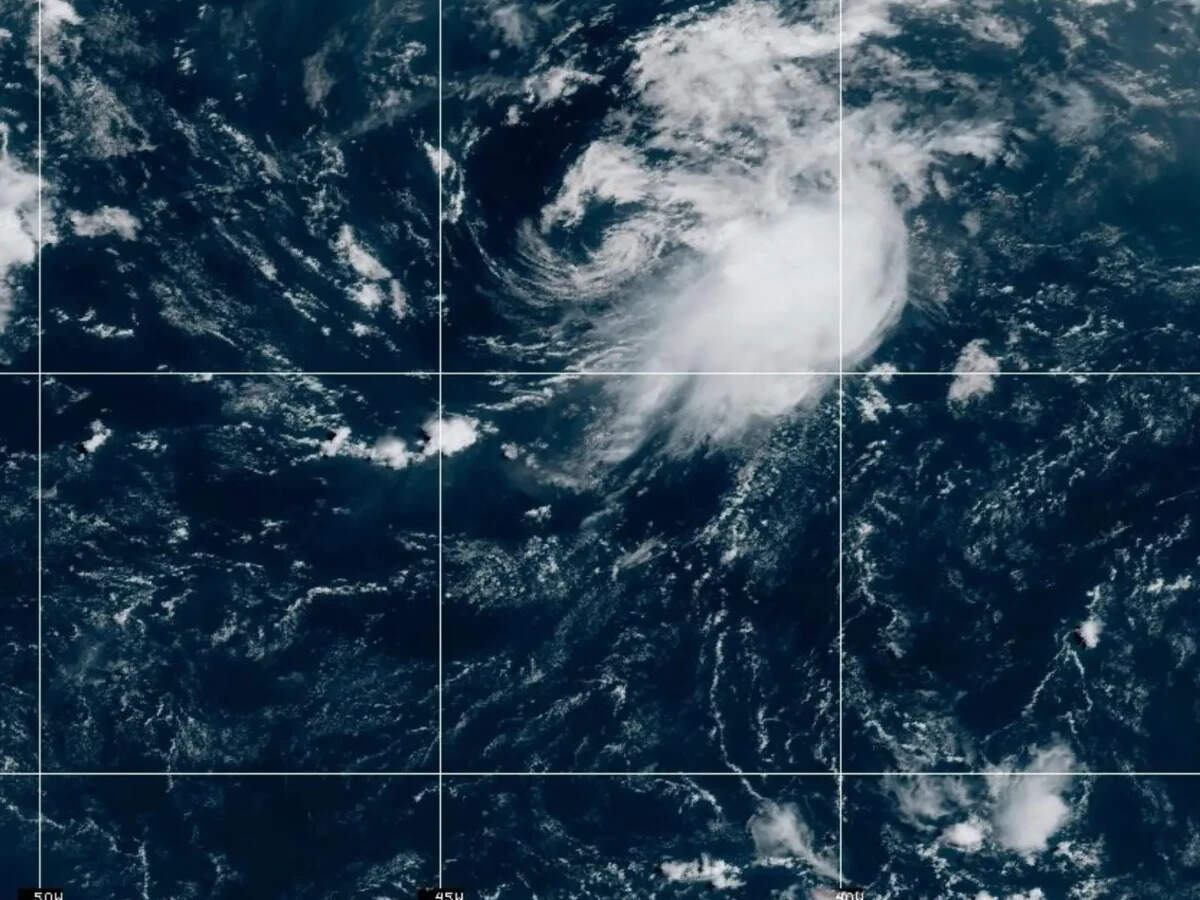
An intensifying El Niño weather pattern could pose significant risks to global tropical commodities, according to forecasters. This phenomenon, characterized by a warming of sea surface temperatures in the eastern Pacific, occurs naturally every two to seven years and can last from nine to 12 months. The U.S. Climate Prediction Center recently upgraded its El Niño forecast, indicating a greater than 90% chance of a very strong event during the northern hemisphere fall and winter of 2026-27.
Soft commodities, such as cocoa, coffee, and sugar, are particularly vulnerable to the effects of an El Niño. For example, cocoa output has typically been reduced during strong El Niño episodes. In West Africa, which produces about half of the world's cocoa, a moderate-to-strong El Niño in 2023-2024 led to excessive rainfall that exposed cocoa trees to a fungal disease. The following year, the weather pattern shifted to bring intense heat and unseasonably dry Harmattan winds, causing weakened trees to drop their flowers.
Coffee production, particularly robusta coffee, is also at risk during El Niño. Vietnam and Indonesia, which together account for about 50% of the world's robusta coffee output, are expected to see reduced yields during the crop development phase. In Brazil, where nearly half of the world's arabica coffee is grown, El Niño could initially have a positive impact due to higher temperatures preventing harmful winter frosts.
However, longer term, dryness and heat during the fourth quarter of the next crop development phase could negatively affect output in 2027.
Sugar production is another tropical commodity that could be impacted by an El Niño. Excess rainfall during the second half of the year could disrupt and reduce the quality of the harvest in Brazil, the world's leading sugar producer. India, the second-largest sugar grower and exporter, is expected to experience lower rainfall during the summer monsoon in the 2026 crop development period, potentially cutting its output by about 1 million metric tons.
Despite the potential short-term challenges, the longer-term benefits of above-average rains typically associated with El Niño for Brazil's sugar regions remain uncertain.
Written by urgent.news from The Economic Times - Economy's reporting — not their text. Machine-written — may contain errors; check the original before relying on it.