Dow, S&P 500, Nasdaq: KI-Aktien verlieren – Nasdaq notiert deutlich im Minus
Mehrere widersprüchliche Signale erschweren für Anleger aktuell die Bewertung der stark gestiegenen Tech-Werte. Die übrige Börsenwelt bleibt davon weitgehend unberührt.
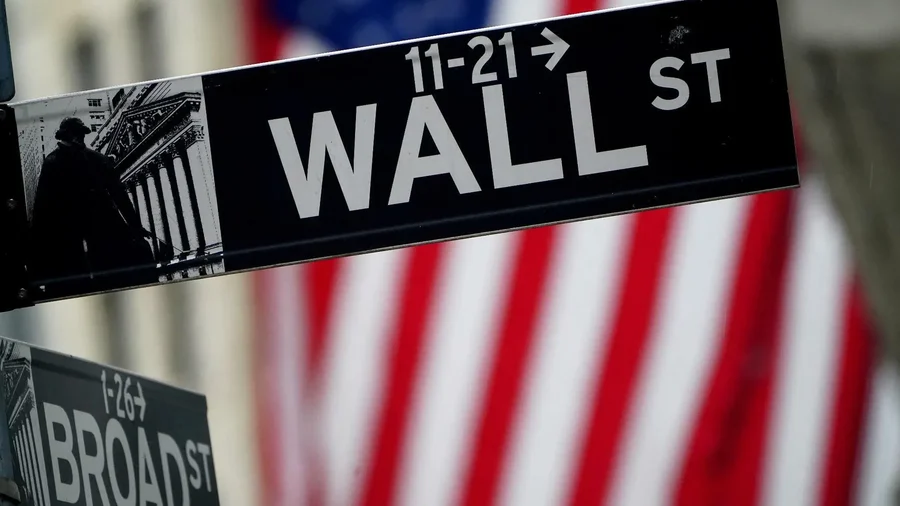
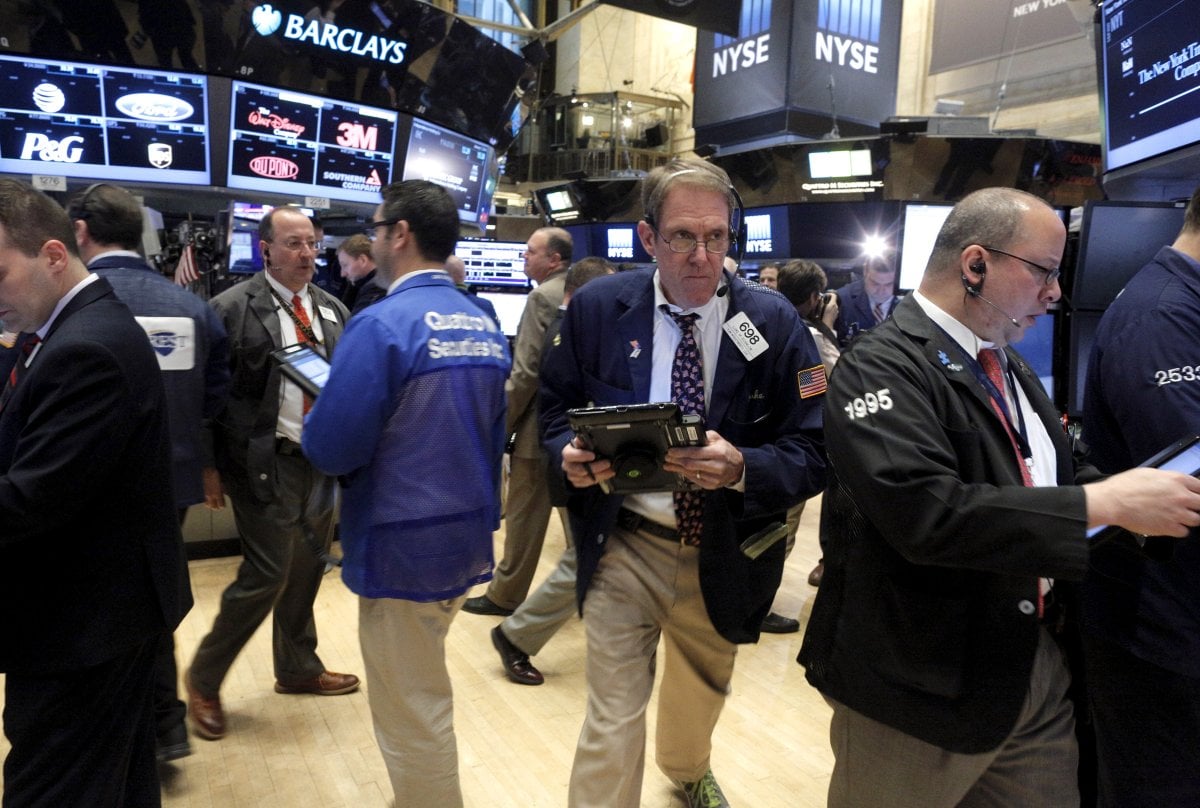
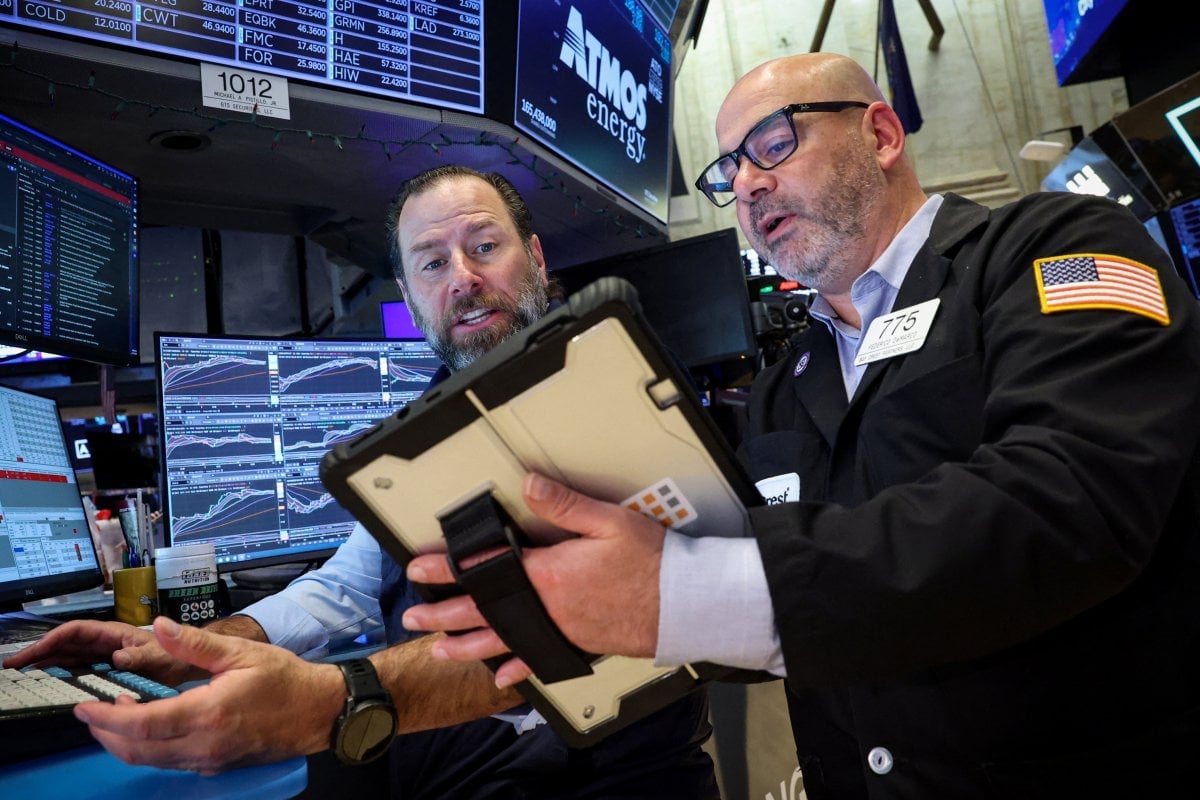
On Tuesday at Wall Street, a bifurcated picture emerged. While mainstream values from the industry and services sector remained largely unchanged, stocks in the AI sector saw significant losses. The Dow Jones index held steady around 53,431 points, the S&P 500 fell by nearly 0.5 percent to 7,708, and the tech-heavy Nasdaq declined 1.2 percent to 26,318 points.
The Nasdaq 100, which tracks the 100 largest non-financial companies listed on the US technology exchange Nasdaq, dropped 1.5 percent to 29,542 points. Semiconductor and tech stocks are currently under pressure from multiple sides. The overarching trend is the rising returns on long-term government bonds, driven by higher inflation expectations.
The 30-year US bond yielded 5.33 percent, the highest since 2007. This development heavily impacts tech companies that often take on high debt for rapid growth. Their loans become more expensive if, due to higher inflation, the central bank raises interest rates, which in turn affects their stock prices. Inflation expectations, on the other hand, are currently strongly linked to oil prices, which again rose on Tuesday, approaching the levels paid during active military operations.
Brent crude for delivery in October was 0.6 percent higher at $91.40 per barrel, and WTI for September was 1.3 percent higher at $85.60 per barrel. A solution to the Iran war appears elusive. US President Donald Trump stated on Monday evening that he does not expect Iran to make an acceptable proposal soon. He therefore does not seek to extend the - already fragile - arms-control agreement with Tehran.
Fed protocols offer hints about interest rate decisions crucial for monetary policy and thus the financial markets. A meeting scheduled for Wednesday will see the US Federal Reserve (Fed) release the minutes from its session at the end of July. While the Fed kept interest rates in a range of 3.5-3.75 percent, recent Fed protocols showed increasing disagreement among policymakers about future rate decisions.
External signals are not helping either: A strong reporting season collided with weak economic data and fluctuating inflation expectations. New data on Tuesday showed surprising declines in US import prices in July. They fell by 0.4 percent compared to the previous month, primarily due to falling costs for importing crude oil. Economists surveyed by Reuters had expected a slight increase of 0.1 percent.
Moreover, June figures were revised downward: Imports fell by 0.3 percent, after initially reporting an increase of 0.3 percent. The US imports a wide range of goods, raw materials, and commodities from other countries. Therefore, falling import prices also affect living costs. The strong price surge has eased somewhat: Inflation fell to 3.4 percent in July.
Written by urgent.news from Handelsblatt's reporting — not their text. Machine-written — may contain errors; check the original before relying on it.