Delhi researchers worry over mosquitoes that survived powerful insecticide
A recent study from the University of Delhi reveals that mosquitoes, particularly Aedes aegypti, may be becoming less susceptible to the widely-used insecticide alpha-cypermethrin. Laboratory results indicate a small reduction in the insecticide's effectiveness, and researchers discovered specific enzymes aiding in its breakdown. These findings underscore the necessity for diverse mosquito…
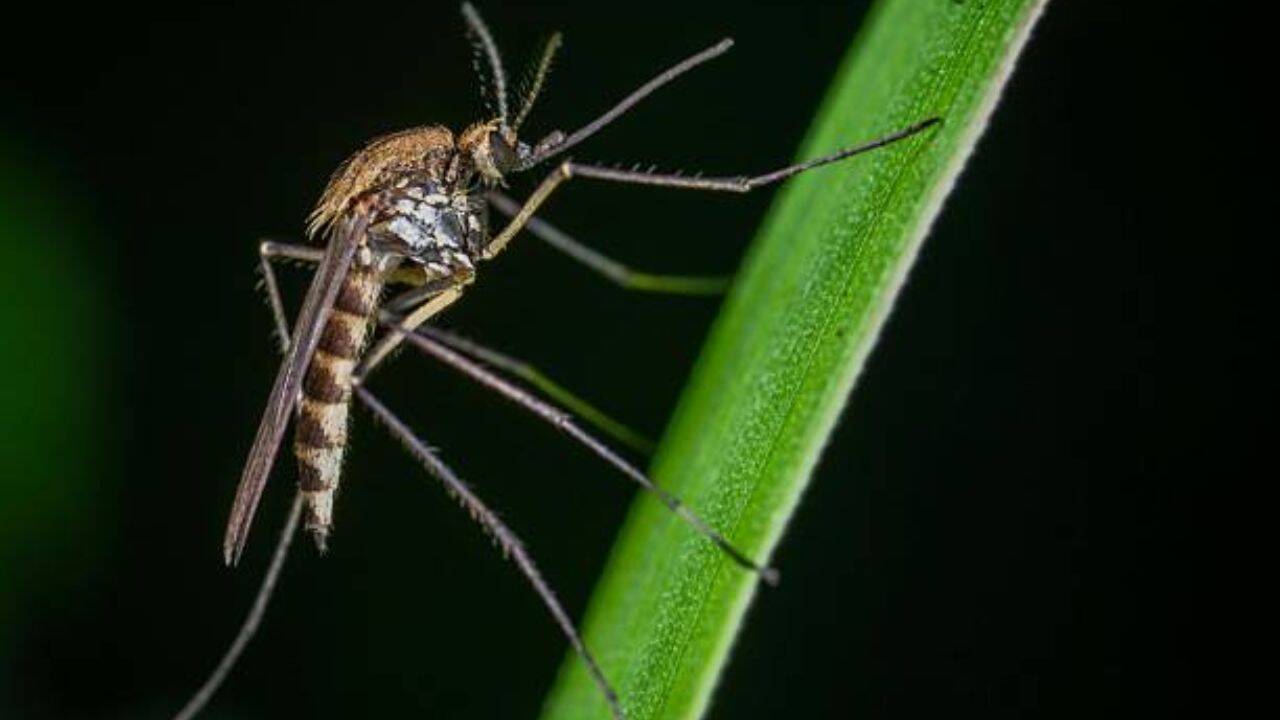
Researchers in Delhi have expressed concerns over mosquitoes that survived a powerful insecticide, α-cypermethrin, used to control the dengue-spreading Aedes aegypti mosquito. According to a study published in Frontiers in Tropical Diseases, 97.91% of adult female mosquitoes died at the suggested diagnostic dose, slightly below the 98% threshold for full susceptibility. However, the study did not test whether the survivors could pass on reduced susceptibility to future generations.
The researchers analyzed five enzymes using computer-based molecular docking and biochemical measurements, finding that β-esterase had the strongest predicted binding to α-cypermethrin. Its activity increased significantly at the concentrations that killed half and 90% of the mosquitoes, suggesting a layered defence mechanism against the insecticide.
However, glutathione S-transferase activity fell, and acetylcholinesterase had the weakest predicted binding, indicating a complex response rather than a simple biological switch.
The insecticide targets the nervous system of insects by disrupting voltage-gated sodium channels, producing a rapid knockdown. But repeated reliance on the same chemistry can select for insects with protective traits. The study's colony had not been exposed to insecticide selection pressure, making the enzyme response intriguing and requiring cautious interpretation.
Aedes aegypti is the primary mosquito vector for dengue, Zika, chikungunya, and yellow fever, posing a significant public health risk. While the study does not indicate that α-cypermethrin has lost effectiveness in India, it highlights the potential for defensive biology to shift before control programs notice a failure. The researchers recommend insecticide rotations, enzymes that inhibit detoxification, biological control, and removing breeding sites to maintain the effectiveness of existing tools.
In households, they advise emptying and scrubbing water-holding containers, tightly covering stored water, repairing screens, and following insecticide labels. The study emphasizes that simply spraying more of the same product may not be the smartest response.
Written by urgent.news from Times of India's reporting — not their text. Machine-written — may contain errors; check the original before relying on it.