Das neue Geben: Banking mit Impact fischt am falschen Ende des Marktes
Milliarden Euro warten darauf, ein neues Sinnangebot zu erhalten. Aber das Thema grüne und soziale Geldanlage fehlt genau dort, wo es funktionieren würde: bei vermögenden Kunden.
A friend recently received unusual mail, informing 35,000 additional customers of the eco-friendly Triodos Bank that they are being closed. The bank's management stated in the letter that achieving a significant size in Germany might not be possible in the foreseeable future. This suggests that there isn't enough demand for green and social investment products in Germany.
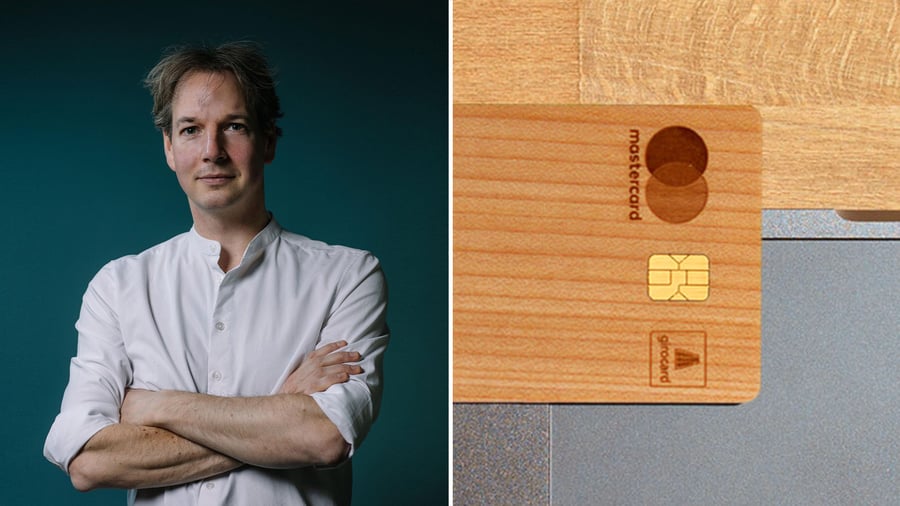
However, the truth is different: the market faces structural challenges. The issue lies precisely where it could work: among affluent customers. Triodos is not alone in this struggle. The Catholic banks Pax-Bank and Bank for Church and Caritas have merged, and the digital bank Tomorrow has shrunk in 2025. Customers may use a beautiful wooden debit card, but they are investing elsewhere.
The investment universe is expanding upwards. The growth is not the problem. The niche wealth manager GLS Bank has grown to 388,000 customers and 11.6 billion euros in volume, but its profitability is only a third of other cooperative banks, primarily due to the need to offer the same products as all other banks while financing a narrow universe of particularly socially or environmentally oriented companies.
These loans and investments are often smaller and more costly to service than those of conventional competitors. Despite all this, a positive impact promise cannot be economically depicted by banks, as it would be a catastrophic mistake. The demand is enormous, as 80% of Gen Z and Millennials plan to use more impact-oriented investments, as measured by Morgan Stanley.
The biggest opportunity lies among the affluent, whose number in Germany grew by 11% in 2025, according to Capgemini. Besides established private banks, successful wealth-techs such as Liqid or Finvia have emerged as digital multi-family offices without an impact mission. However, investors seeking to solve societal problems across all investment classes remain a blind spot in a market that already dominates every niche.
The niche works for small players, but it should function for all. A mandate worth 10 million euros brings in 100,000 euros per year at one percent fee. For GLS Bank, only 1,372 customers are needed. The impact promise is not a limitation because the investment universe is expanding upwards: private markets, direct investments, real estate, and serious philanthropy.
An advisor can create impact where they cannot offer it to small investors and sit on no deposit excess. Such a house should not invent anything; it would need all investment classes and giving at the table, a verifiable impact measurement, and a fee on advisory services instead of product sales. All these building blocks exist in Germany, but they are scattered among providers who do not communicate with each other.
Other places already have this offering, such as UBS and LGT, which integrate impact and philanthropy. However, the niche also works for newer and smaller providers like Veris Wealth Partners in Oakland, managing 2.9 billion dollars in nearly 2,500 portfolios, or Tribe Impact Capital, which is growing in London and recently acquired the Private-Markets specialist Snowball.
The Swiss bank Globalance Bank also offers this niche. It remains to be seen whether these houses will generate good money. In Germany, no one dares to step into this category. Professionals, talents, and potential customers should connect now, as otherwise, a player from London or Zurich will seize the opportunity. Alternatively, billions will remain waiting for a new meaningful offering. This would be a missed opportunity for the German banking landscape.
Written by urgent.news from Handelsblatt's reporting — not their text. Machine-written — may contain errors; check the original before relying on it.