Create judge training pathway to tackle Hong Kong courtroom delays: think tank
Hong Kong should establish a full-time training pathway for top law graduates to become judges, helping to expand the local judicial talent pool and ease courtroom delays, a think tank founded by Executive Council member Ronny Tong Ka-wah has proposed. POD Research Institute founder Tong also said on Tuesday that reducing waiting times for a court date would ensure the rule of law was upheld and…
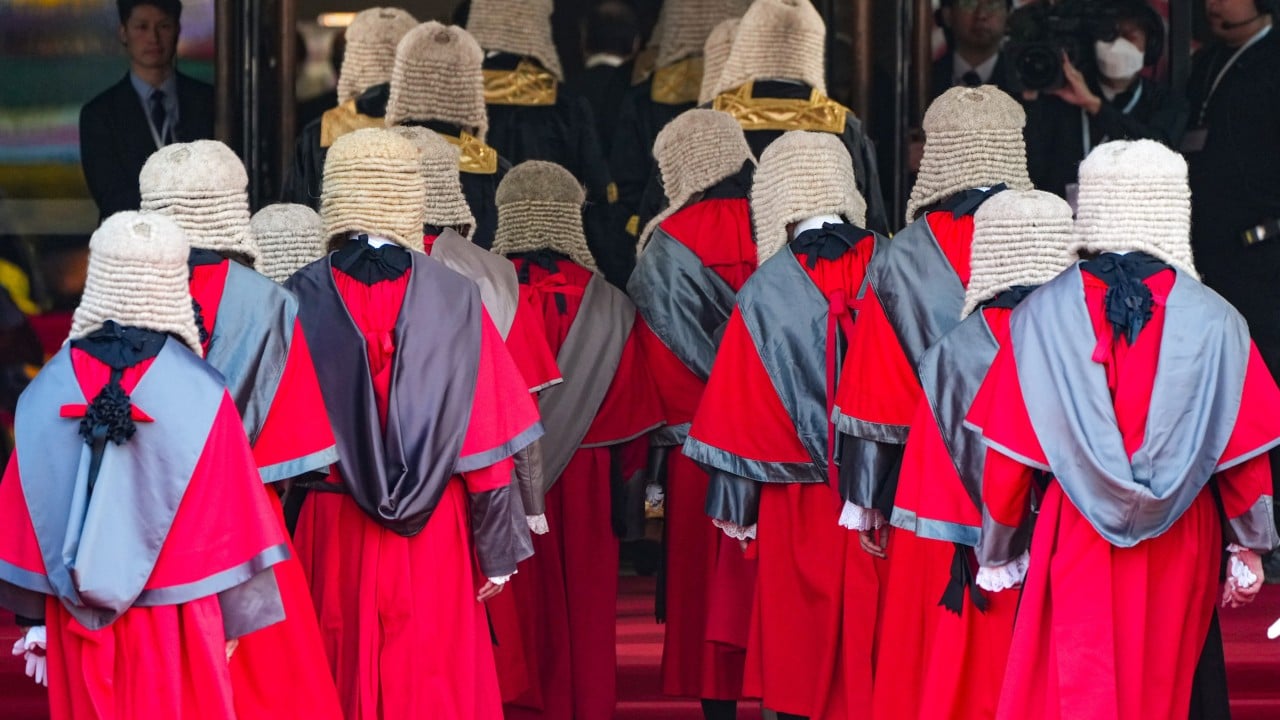
A Hong Kong think tank is proposing the creation of a dedicated training pathway for top law graduates to become judges, aiming to alleviate courtroom delays and bolster the city's judicial talent pool. Founder Ronny Tong Ka-wah emphasized that reducing court date waiting times would uphold the rule of law, safeguard human rights, and prevent innocent defendants from spending years in detention.
Currently, 24.2% of judges and judicial officers are vacant, and the average waiting time between a case's first mention and a trial at the District Court is 337 days, while criminal cases at the Court of First Instance average 368 days. Tong suggested emulating Germany and France's approach, which allows outstanding law graduates to embark on a full-time judicial career following training and assessment.
The institute proposed a structured judicial training program with court-based rotations, mentoring, and staged assessment. Candidates would initially serve as judicial assistants and legal researchers before potentially becoming judges, with all appointments remaining merit-based and subject to the existing Judicial Officers Recommendation Commission process.
The think tank stressed that the proposed system would not conflict with the common law framework. However, the Hong Kong Bar Association argued that the current system, which appoints experienced legal practitioners as judges, is optimal and cited the lack of civil-law jurisdictions adopting the career judge model. The Hong Kong Judiciary is currently facing a wave of retirements, with eight vacancies at the High Court by June 2025 and more expected to retire between 2026 and 2027.
Written by urgent.news from South China Morning Post's reporting — not their text. Machine-written — may contain errors; check the original before relying on it.