Comment | Archaeology can offer lessons for future space colonies—but we must protect existing lunar heritage first
A new study reveals how island archaeology could guide future colonists to Mars, Jupiter and beyond, however the traces of past endeavours are at risk
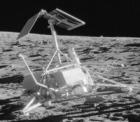
In November 1969, Apollo 12 touched down on the moon's surface, causing moon dust to be kicked up by the rocket exhaust and damaging the 1967 Surveyor 3 probe located 155 meters away. This highlights the potential danger that cultural heritage faces on the lunar surface. In 2011, NASA released guidelines for protecting US government lunar artefacts, requiring descending spacecraft to maintain a 2km exclusion zone from heritage landers, such as Neil Armstrong's landing site.
However, this initial distance is only a temporary measure to be revised with further research. The preservation of lunar heritage has become a concern due to the lack of international heritage law. The Outer Space Treaty of 1967, signed by 118 nations, primarily focuses on the protection of space probes rather than cultural heritage.
While 67 countries have signed the Artemis Accords, which includes Section 9 on preserving outer space heritage, these provisions are not legally binding. With at least 100 missions planned to the moon over the next decade, the risk of damaging lunar heritage is significant. However, scientists have discovered that certain probes sent to Venus may still exist, despite the planet's harsh conditions, suggesting that the concept of interplanetary heritage should be considered.
Lessons learned from island archaeology can provide insights for future space colonists, emphasizing the importance of selecting appropriate locations and colony size. If humanity establishes interstellar heritage sites, the existing space heritage may serve as inspiration for future colonists.
Written by urgent.news from The Art Newspaper's reporting — not their text. Machine-written — may contain errors; check the original before relying on it.