'Comma splices' to 'smartwatch': Nancy Guthrie ransom notes show repeated writing quirks that may help identify suspect
Investigator said such details could help law enforcement seek information from people who may recognise the writing.
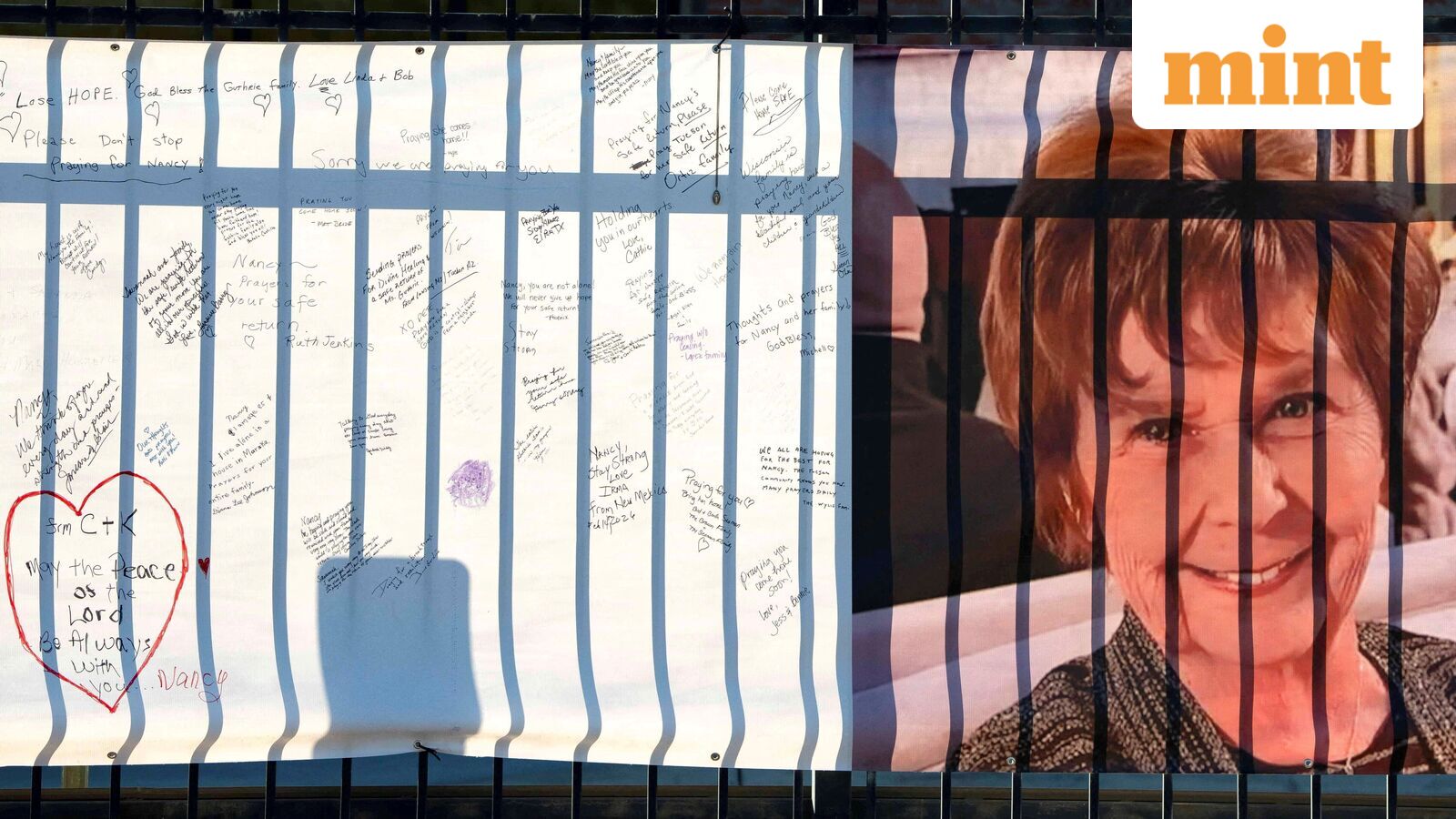
Two messages attributed to the suspected kidnapping of Nancy Guthrie may provide clues about the author's identity, according to retired Colorado investigator Lisa Miller. The investigator noted similarities in grammar, sentence construction, and word choices between the two notes, suggesting they were likely penned by the same individual.
Guthrie, 84, whose daughter is Today co-host Savannah Guthrie, was abducted from her Tucson home in February. The public release of the messages may aid investigators, as recognizing the writer's unusual language patterns could help identify the suspect. One notable feature, Miller pointed out, is the use of "comma splices," where two complete sentences are joined with a comma instead of a full stop.
Miller also highlighted the inclusion of "open compounds" and unconventional spellings of words such as "smartwatch" and "floodlight." Additionally, she observed the author's distinct use of the term "perished" instead of "died" and the phrase "buried in nature," which may be characteristic of the individual's linguistic style. The investigator ruled out the possibility that the messages were created using AI, citing a typo and the absence of a polished flow as reasons for her assessment.
Written by urgent.news from Live Mint's reporting — not their text. Machine-written — may contain errors; check the original before relying on it.