Colby’s ‘Flexible Realism’ Won’t Work in the Indo-Pacific
Washington’s new strategy is little more than a euphemism for unpredictability.
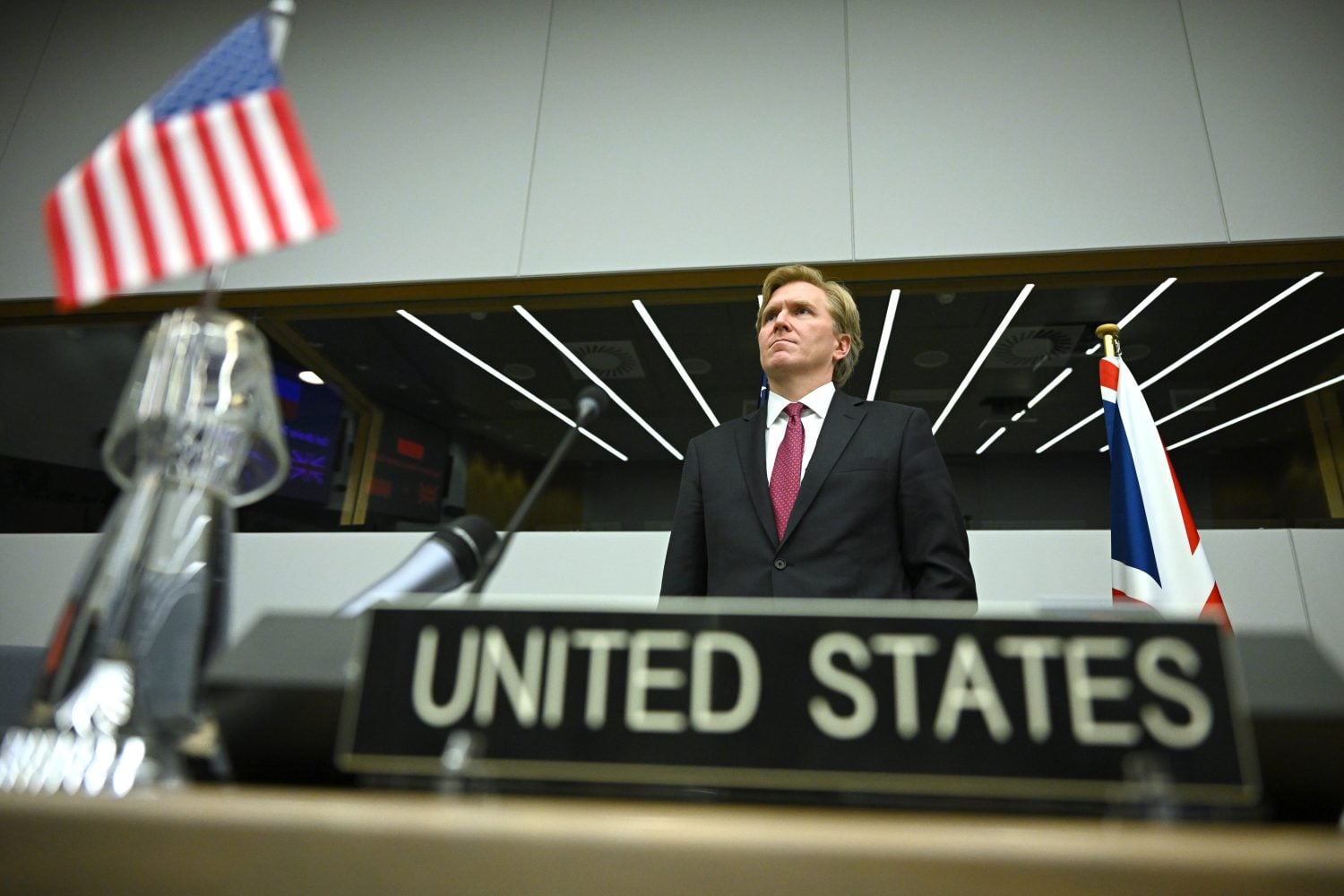
Elbridge Colby, the U.S. undersecretary of defense for policy, recently completed a tour of Southeast Asia to promote the Trump administration's "flexible realism" defense strategy. This approach emphasizes seeking "partners, not protectorates" and prioritizing shared interests over shared values, enabling the U.S. to widen the aperture of security cooperation.
However, implementing "flexible realism" in the Indo-Pacific may not be as effective as Colby and the administration believe. While broader partnerships can help counter China, a strategy based solely on transactionalism risks unpredictability, undermining allies' willingness to balance China. Additionally, Colby and the administration are asking for higher defense spending from allies, which many cannot afford.
Furthermore, the administration's focus on improving relations with China through personal diplomacy may divert attention from the actual threat posed by Beijing, leading to a lack of reassurances among U.S. allies.
Written by urgent.news from Foreign Policy's reporting — not their text. Machine-written — may contain errors; check the original before relying on it.