Citing Deaths, Docs Urge NCAA to Limit Energy Drink Marketing to Kids
(MedPage Today) -- A group of physicians and scientists are calling on the National Collegiate Athletic Association (NCAA) to make changes to its massive collaboration between Big 12 athletics and Monster Energy, citing potential health risks and...
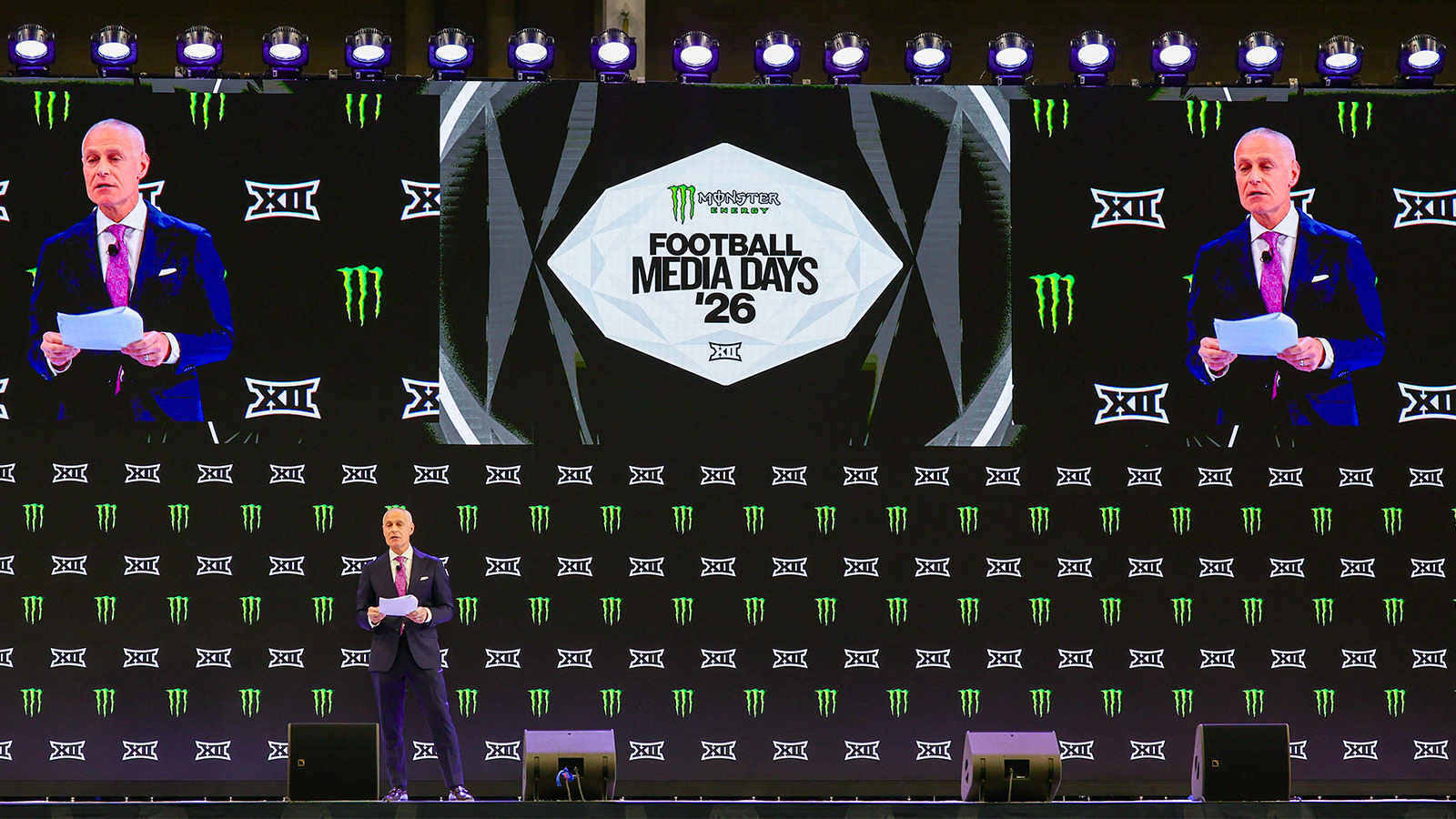
A coalition of medical experts is urging the National Collegiate Athletic Association (NCAA) to revise its collaboration with Monster Energy, citing potential health hazards and teen fatalities related to energy-drink usage. The partnership, recently unveiled, involves Big 12 football and basketball athletes donning Monster Energy-adorned jerseys, with the drink's logo displayed across playing fields and courts.
An ophthalmologist and a cardiologist, both former Big 12 school attendees, spearheaded the call for action, forming the Protect Young Fans initiative. The group has gathered over 250 signatures on a petition demanding the NCAA terminate the Monster Energy agreement.
The physicians and scientists express concern over the surge in energy drink consumption among children and young athletes, particularly in high-profile Big 12 sports. They point to a series of tragic deaths involving young individuals, such as 14-year-old Anais Fournier and 17-year-old Larissa Rodriguez, who succumbed to cardiac events following energy-drink consumption.
Randomized trials have demonstrated increases in blood pressure, abnormal heartbeats, and altered heart-rate variability in young people after consuming energy drinks. These effects suggest that a seemingly healthy child might be susceptible to sudden cardiac issues triggered by stimulants, alongside inherent cardiac conditions.
The 17 medical professionals urge the NCAA to consult the Sport Science Institute and the Committee on Competitive Safeguards and Medical Aspects of Sports for a thorough, interdisciplinary review. They also request the Big 12 to temporarily halt youth-oriented advertising of the partnership, such as branded jerseys and logos on playing surfaces and conference communications.
The physicians advocate for NCAA guidelines on youth-visible sponsorship of energy drinks and other high-stimulant products, emphasizing the need to differentiate energy drinks from sports or hydration beverages.
While energy drinks have long been used by some student-athletes, the NCAA has recently lifted its ban on energy drink advertisements on television. The alliance emphasizes that kids can easily purchase energy drinks, often in appealing fruit and candy flavors, without age restrictions. Medical organizations, including the American Medical Association (AMA), have expressed concerns about the potential health risks, particularly increased anxiety, sleep disturbances, and cardiac problems associated with high-caffeine energy drinks.
The AMA supports a ban on marketing these products to individuals under 18, including restrictions on advertising, sponsorships, and promotional practices targeting children and adolescents.
Written by urgent.news from MedPage Today's reporting — not their text. Machine-written — may contain errors; check the original before relying on it.