Chinese treasury futures launch cements Hong Kong as premier yuan hub
When the Hong Kong stock exchange launched five-year China government bond futures on August 3, it did more than simply expand the city’s derivatives product suite. As the only China government bond futures in the offshore market, the contract deserves attention as it finally gives international investors an exchange-traded tool to hedge against yuan interest rate exposure, strengthening Hong…
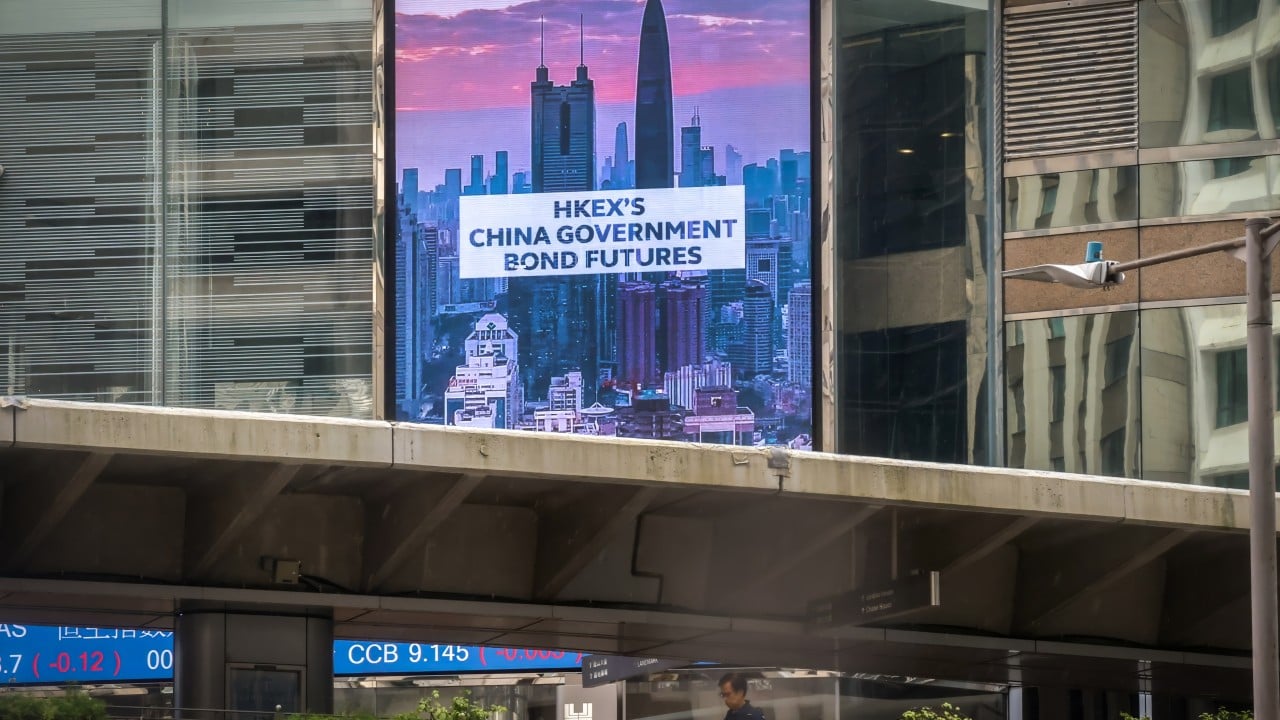
On August 3, the Hong Kong Stock Exchange launched five-year China government bond futures, marking a significant step in solidifying Hong Kong's position as the leading hub for yuan-related financial products. This contract is the sole China government bond futures available in the offshore market, providing international investors with an exchange-traded option to hedge against yuan interest rate exposure.
This development bolsters Hong Kong's capacity to price yuan assets, manage risk, and cater to global investors. As the international monetary system becomes more diverse, the use of yuan extends beyond trade settlements to include investment, financing, pricing, and reserve management. In the wake of heightened geopolitical tensions and volatile government bond yields in major developed markets, investors are increasingly seeking diversification and robust portfolio resilience.
Chinese government bonds, known for their low correlation with other overseas assets, present an attractive diversification opportunity. Over the past year, global holdings of Chinese interbank bonds have surged from 800 billion yuan to 3.2 trillion yuan, with approximately 2 trillion yuan invested in Chinese government bonds. To effectively manage yuan interest-rate exposure, international investors have traditionally relied on interest-rate swaps through Swap Connect or onshore futures contracts offered by the China Financial Futures Exchange for eligible investors.
However, the Hong Kong futures contract offers an additional, standardized, and transparent hedging tool for international participants, operating within a familiar legal and international market framework. With a five-year tenor covering a crucial segment of the yield curve, and featuring cash settlement and trading through local holidays, the contract aims to be user-friendly for international investors.
If the new futures contract gains sufficient liquidity, it will extend its benefits beyond the derivatives market, encouraging investors to hold more Chinese government bonds. This, in turn, can stimulate trading activity and deepen liquidity in the cash market, creating a positive cycle between the futures and underlying bond markets.
In the long run, the contract could broaden Hong Kong's institutional ecosystem and investor base, attracting global fixed-income managers, macro hedge funds, and quantitative investors. The introduction of exchange trading and central clearing could also mitigate bilateral counterparty risk and provide banks, insurers, investment banks, bond underwriters, and corporate treasuries with innovative asset-liability management tools.
Additionally, well-functioning fixed-income and derivatives markets can generate demand for custody, collateral, and margin management, market-making, and index development, spurring more financial institutions to expand their operations in Hong Kong. In essence, Chinese government bond futures listed in Hong Kong and on the mainland should be regarded as complementary rather than competitive, as their differences in contract size, quotation conventions, settlement methods, and position limits serve distinct market participants and needs.
By launching the sole offshore exchange-traded Chinese government bond derivative ahead of other financial centers, Hong Kong has gained a first-mover advantage, further solidifying its role in China's financial opening and enhancing the international influence of mainland pricing benchmarks.
Written by urgent.news from South China Morning Post's reporting — not their text. Machine-written — may contain errors; check the original before relying on it.