Chinese carmakers now sell one EV abroad for every two at home
Dwindling sales at home are pushing the cars toward Brazil, Thailand, and the Gulf.

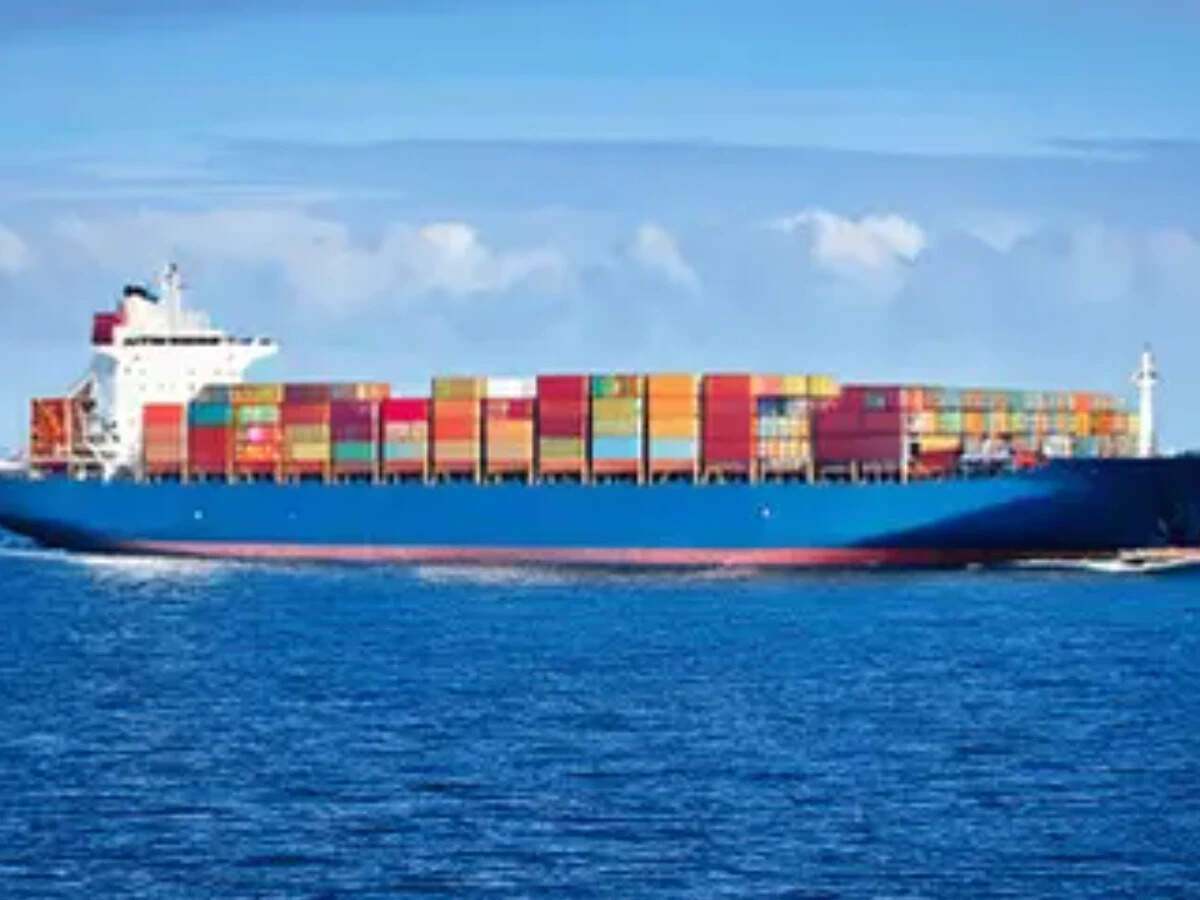
Chinese electric vehicles (EVs) are now selling at a rate of one for every two sold domestically, as the country's domestic market has seen a decline. In July, a record 540,000 EVs left China, while 980,000 were sold domestically, according to Benchmark Mineral Intelligence. This shift is not a temporary response to poor sales, but rather a permanent trend, driven by factors such as overcapacity and competitive pricing, said Lei Xing, founder of Chinese auto industry consultancy AutoXing.
Lei also noted that Chinese cars are inexpensive, widely available, and packed with the technology that buyers desire, similar to how Japanese and German cars established their export industries.
The International Energy Agency predicts that China's EV market will end flat this year, marking the first time in a decade. This decline in domestic sales has forced Chinese automakers to look abroad for new buyers, with sales outside China, Europe, and North America nearly doubling to 1.7 million units in the first seven months of 2026. Chinese brands now supply half of these international sales, up from a quarter in 2023.
As Chinese EV exports surge, trade barriers in countries like Thailand, Brazil, and the Gulf are either being reduced or removed altogether. In Thailand, for instance, Chinese brands now make up almost 90% of the EV market, and the government requires these car manufacturers to build two vehicles locally for every one they bring in.
Brazil, where Chinese brands account for nearly 90% of EV sales, has increased its import tax on EVs to match the tax paid by gasoline cars. In contrast, Canada has significantly reduced its EV import tax, from 100% to 6.1%.
The excess inventory of Chinese EVs shipped over the past 18 months has yet to find buyers, leading to discounting and pressure on residual values. As Chinese factories produce cars faster than foreign showrooms can absorb them, cheaper EVs are expected to follow, further expanding the country's global reach.
Written by urgent.news from Rest of World Tech's reporting — not their text. Machine-written — may contain errors; check the original before relying on it.