Central banks need to speak, even when they are wrong
Kevin Warsh has turned back the transparency revolution in central banking, refusing to commit to regular news conferences and has expressed disdain for "forward guidance."
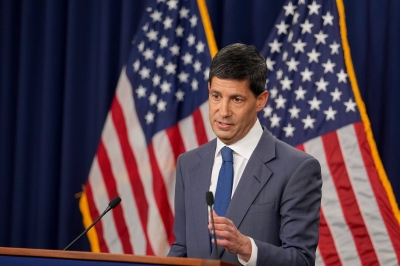
Over the past three decades, the transparency in central banking has expanded exponentially. The era of secretive monetary institutions has faded, with the Bank of England abandoning its policy of "never explain, never excuse," and the Federal Reserve Chair Alan Greenspan no longer able to obscure information before Congress. In 2018, Jerome Powell declared that the culture of disclosure had firmly taken root globally.
However, his successor, Kevin Warsh, is striving to reverse this trend. He has refused to participate in regular news conferences, eschewed providing economic and policy forecasts, and expressed a strong aversion towards "forward guidance," a concept where central banks predict the trajectory of monetary policy. Warsh even suggested that the Federal Reserve should "stop talking so much" in an interview with investors last year.
This stance has raised concerns among some global peers. While a reassessment of the balance between transparency and discretion is warranted, it is worth noting that during the COVID-19 pandemic, several central banks made public declarations about their future policy conduct, despite the uncertainty surrounding the situation. However, when global inflation rates surged in 2021 and 2022, some policymakers argued that these commitments restricted their policy flexibility.
Written by urgent.news from Japan Times's reporting — not their text. Machine-written — may contain errors; check the original before relying on it.