Carney’s final chance to convince Trump as US-Canada trade deadline looms
"Intense" trade talks are going down to the wire as Canada seeks to avoid a fresh round of tariffs from the Trump administration, set to take effect on Wednesday.
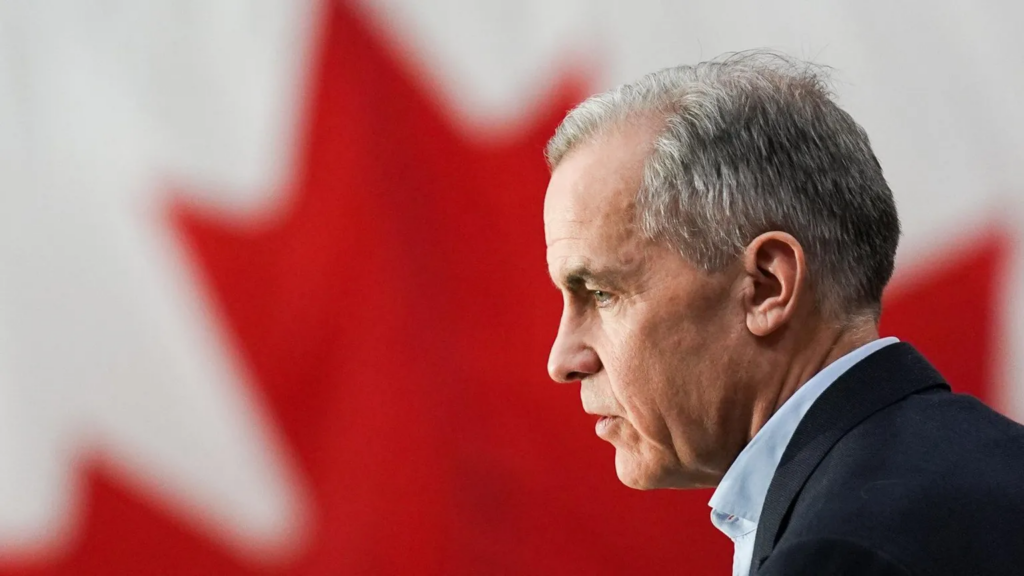
Canadian Prime Minister Mark Carney finds himself with a final opportunity to persuade the United States to avoid imposing new tariffs on Canadian imports, as the deadline approaches on Wednesday. Canadian negotiators have been in Washington for a week, attempting to secure a deal before the 50% tariffs on approximately $20bn (C$28bn) of Canadian goods are enacted.
Carney, speaking on Monday, emphasized that the delicate negotiations are not the time for public debate. Despite maintaining a position of strength, Carney acknowledged that the task was not yet complete. US Trade Representative Jamie Jamieson Greer has been in frequent contact with Canadian negotiators, but no final agreement has been reached.
Both sides have made clear that the negotiations have been challenging, with the US administration describing Canada as "nasty" on trade. Trump has threatened to make the situation tougher if a deal is not reached. If a deal is finalized, Carney must convince a public that has grown frustrated and skeptical of the US administration.
He will also need the support of Canada's provinces for any concessions made. The US is seeking concessions such as the removal of retaliatory tariffs on American cars, adjustments to dairy quotas, and the lifting of a ban on US alcohol sales imposed by most Canadian provinces in response to the US tariffs. Ontario Premier Doug Ford has stated that an agreement on alcohol sales is contingent upon the agreement of the provinces, of which Ontario's leader is known for his tough stance on the US.
Carney could face resistance, particularly in Quebec, where Premier Christine Fréchette has stated that the supply management system for dairy, eggs, and poultry is non-negotiable. The US has imposed new tariffs on steel, aluminum, automobile, and lumber sectors, sectors that have been detrimental to Canada's economy. A recent poll indicates that 74% of Canadians feel the trade dispute has impacted their household, with 36% advocating for counter-tariffs, even if it means additional economic hardship.
Despite this, only 18% support concessions such as ending provincial bans on American alcohol to remove or reduce US tariffs. Canada's chief negotiator, Janice Charette, has warned her US counterparts that new tariffs could jeopardize further trade negotiations should they be enacted on the deadline.
Written by urgent.news from MyJoyOnline Ghana's reporting — not their text. Machine-written — may contain errors; check the original before relying on it.