BRICS Environment Ministers oppose European Union’s Carbon Border Tax
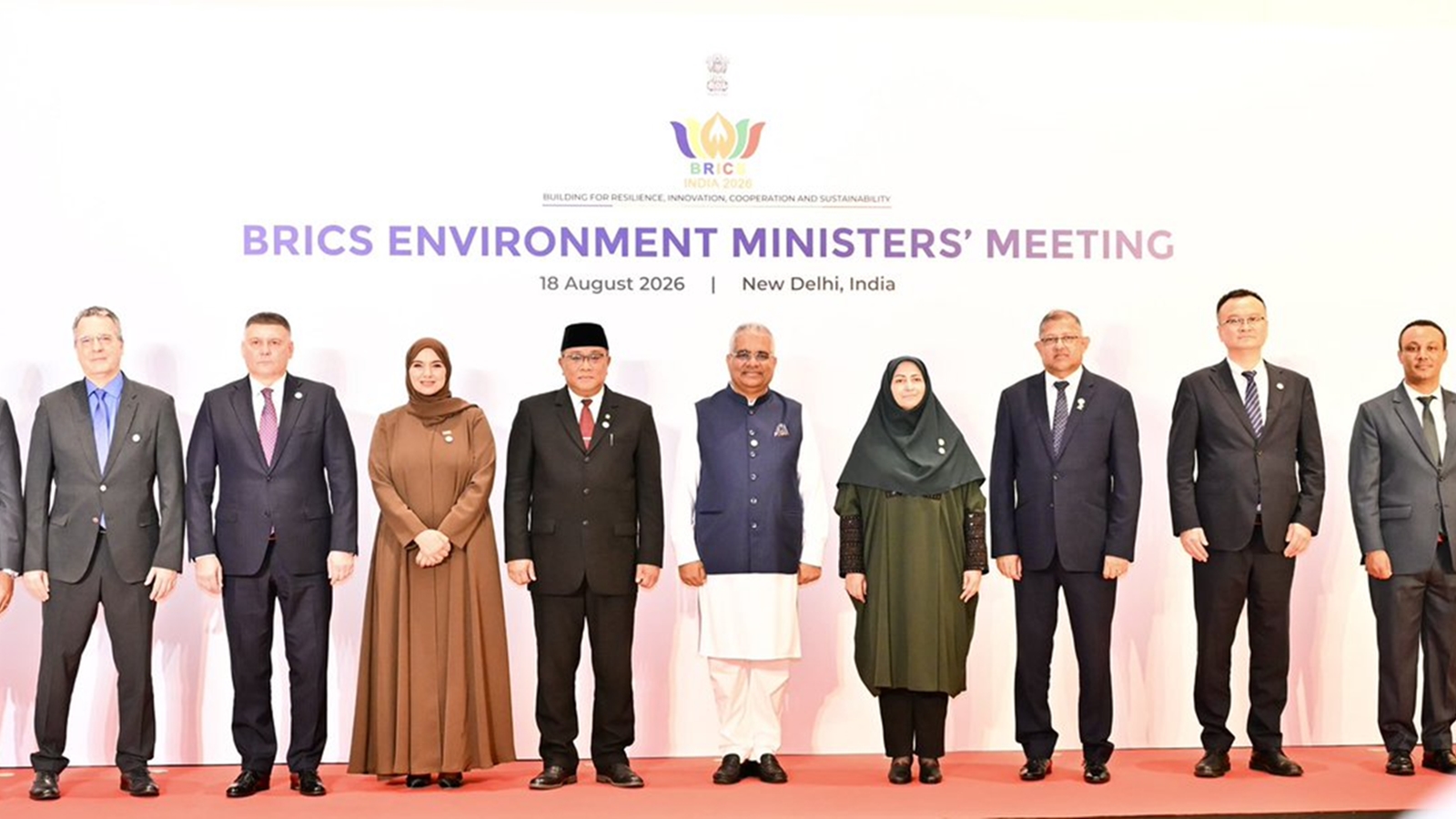
At the 12th BRICS Environment Ministers' meeting held in New Delhi, the group of nine developing economies opposed the European Union's Carbon Border Adjustment Mechanism (CBAM), also known as the Carbon Border Tax. The ministers argued that the CBAM is a unilateral, punitive, discriminatory, and protectionist measure that is not in line with international law.
They emphasized that developed countries must urgently increase climate finance, particularly for adaptation. The CBAM is an import levy on carbon-intensive goods such as steel, iron, fertilizers, aluminum, and cement, aimed at reducing the carbon footprint of imported products. However, the tax has been viewed by developing nations as a trade barrier.
The CBAM, which began its reporting-only phase on October 1, 2023, and was fully implemented from January 1, 2026, required importers to purchase and surrender CBAM certificates based on the carbon emissions embedded in their goods. The BRICS bloc expressed concern that measures like the CBAM undermine the efforts of developing nations to address the adverse impacts of climate change, increase adaptive capacity, and enhance resilience.
Written by urgent.news from The Indian Express - India's reporting — not their text. Machine-written — may contain errors; check the original before relying on it.
This story
This is one outlet's version. Read the fullest account.
- BRICS Environment Ministers oppose European Union’s Carbon Border Tax indianexpress.com