Brent Crude Crosses $90 Amid Uncertainty Due To West Asia Conflict
Oil prices moved higher on Tuesday as uncertainty surrounding the Middle East conflict continued to cloud prospects for a quick resolution. Brent crude crossed the $90-a-barrel threshold after Iran indicated a tougher military approach and the US ruled out extending the temporary ceasefire. WTI crude was trading at $85.28 a barrel, up 0.92%. It had earlier climbed more than 1% to $85.37, its…
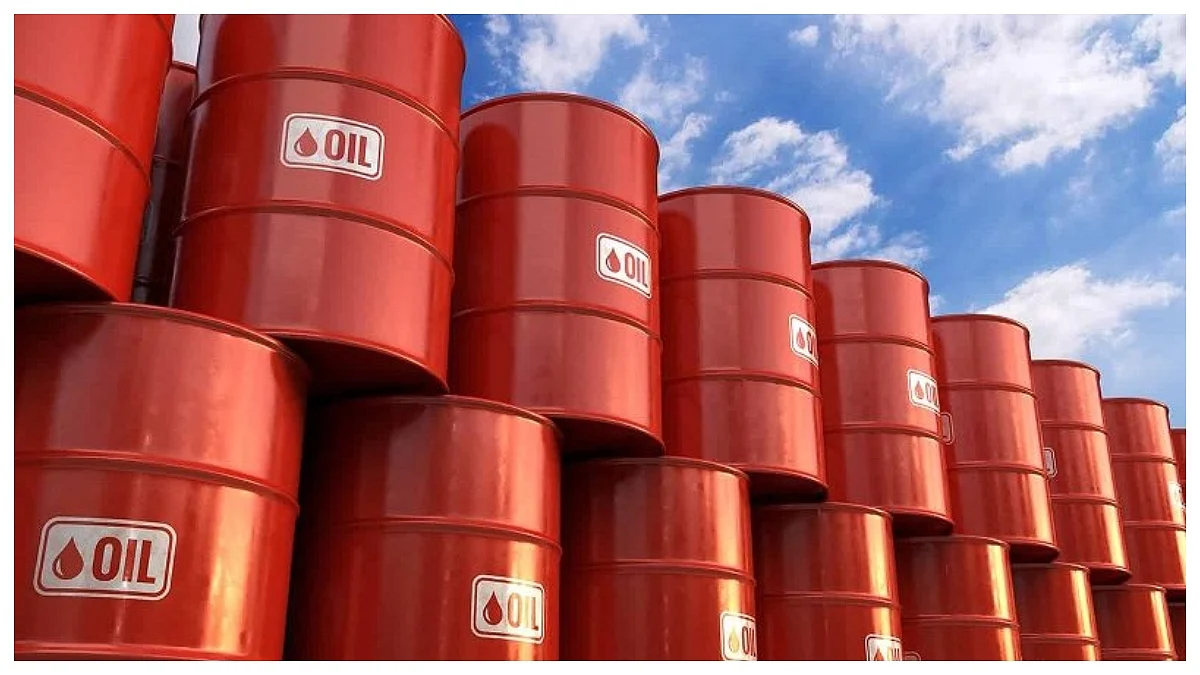
On Tuesday, oil prices surged as tensions escalated in the Middle East conflict, with Brent crude breaching the $90-a-barrel mark. Iran signaled a more aggressive military stance, while the United States dismissed extending a temporary ceasefire. West Texas Intermediate (WTI) crude rose to $85.28, up 0.92%. Prior to this, Brent crude had climbed over 1% to $85.37, its highest level since July 31, according to <source 1b3374eb-009>.
Market expectations of renewed peace talks and normal tanker movement through the Strait of Hormuz diminished. A high-ranking Iranian official claimed Tehran would adopt a fully offensive military posture after peace negotiations stalled. The United States also ruled out prolonging the cease-fire, adding to the uncertainty. This has heightened concerns over the conflict's duration and economic repercussions, as reported in <source 1b3374eb-009>.
Shipping through the Strait of Hormuz faced significant disruptions. Kpler's data revealed only five commodity vessels passed the strategic waterway on Saturday, with no activity on Sunday, compared to 31 vessels the previous weekend. This decline was attributed to attacks on tankers. In addition, tensions spilled over to the Red Sea, with Yemen's Houthi rebels attacking a Saudi military vessel and four escort ships using missiles.
Iran was reportedly close to reaching an agreement with Oman on traffic management arrangements through the Strait of Hormuz, though the diplomatic situation remained fluid, as noted in <source 1b3374eb-009>.
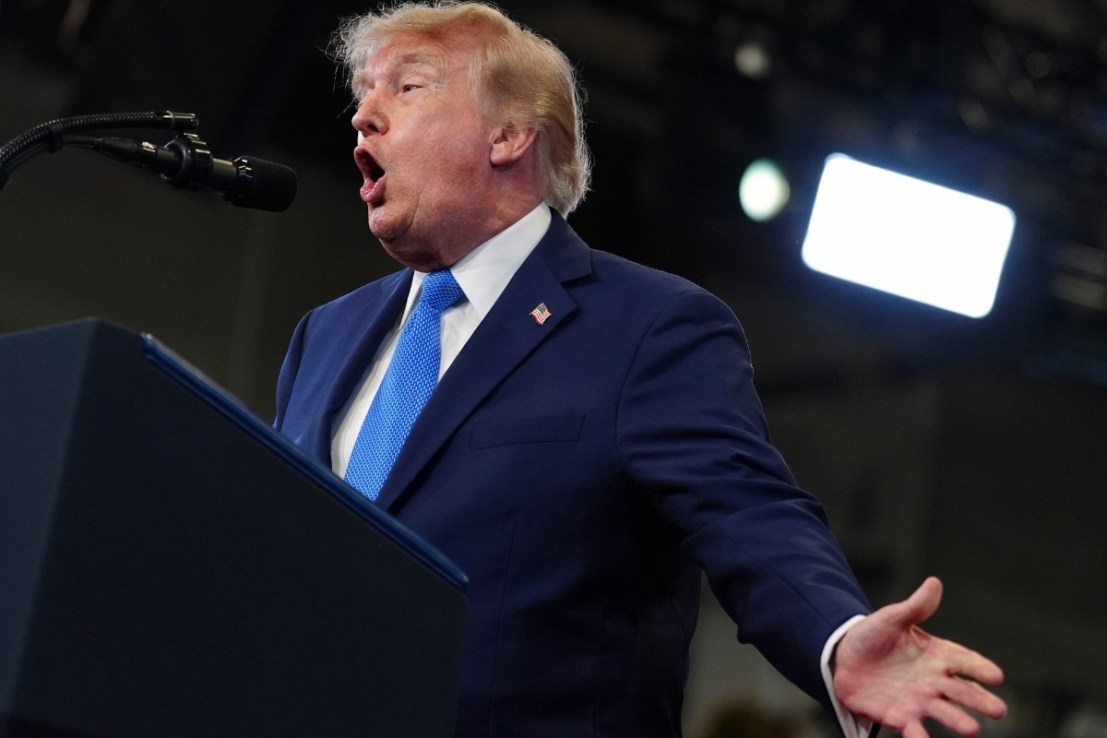
The US President, Donald Trump, threatened military action against Oman, despite their historical security ties. However, there were indications that diplomatic channels might remain open, with reports suggesting Trump had begun back-channel talks with representatives of Iran's Islamic Revolutionary Guard Corps, according to <source 1b3374eb-009>. For oil markets, the mix of diplomatic uncertainty, military escalation, and reduced tanker traffic kept traders focused on potential disruptions to global crude supplies.
Written by urgent.news from Free Press Journal's reporting — not their text. Machine-written — may contain errors; check the original before relying on it.