As drought hits Germany's harvest, will food prices rise?
Germany's main farmers' association has warned of a below-average harvest after drought and crops damaged by extreme heat. DW looks into what lower yields could mean for food prices and grocery bills.
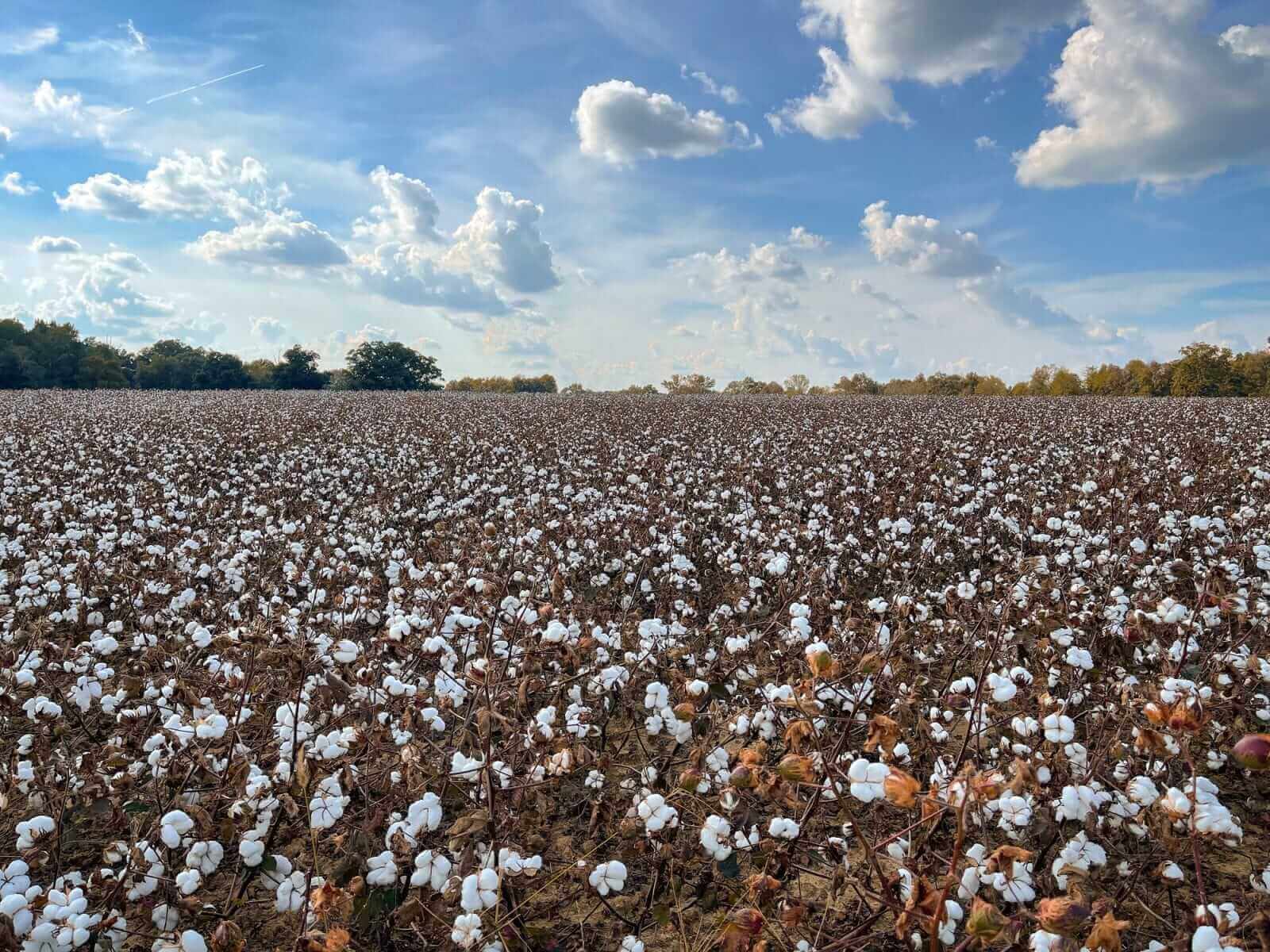
Germany is grappling with a severe drought this summer that has severely impacted crops and raised concerns about rising food prices. The German Farmers' Association (DBV) has warned that the country's grain harvest will be 7% lower than last year due to the ongoing drought and a heat wave in June. Rapeseed production is down by nearly 17%, while barley remains unchanged but with a larger area under cultivation.
The potato crop is also expected to be below average, and sugar beet yields could see a significant decline in some regions. Germany's Federal Statistical Office predicts an 18% drop in apple harvests compared to last year. While the country currently has a 2 million-ton grain surplus from the previous year, the sharp decline in rapeseed and sugar beet production may strain domestic oil and sugar supplies.
Germany's agriculture minister, Alois Rainer, stated that immediate price hikes are not expected, but Philipp Spinne, managing director of the German Raiffeisen Association, reported that his members have already suffered €600 million in pure losses. Many farmers are now facing pure losses in the field and are struggling to cover their costs due to higher fertilizer, energy, and logistics costs.
The drought has also caused a shortage of animal feed stocks, particularly in southern Germany, which could lead to higher prices for meat, milk, and eggs. Local media reported that the drought has caused a drastic fall in animal feed stocks, particularly in southern Germany. While most shoppers may face gradual price increases rather than shortages, farming sector experts warn that many farmers may need interim financing to secure their futures.
DBV has called on Berlin to launch an immediate package to support the agriculture sector, including boosting the European Union's fertilizer aid package and cutting the tax on agricultural diesel until the end of November.
Written by urgent.news from DW News's reporting — not their text. Machine-written — may contain errors; check the original before relying on it.
This story
This is one outlet's version. Read the fullest account.