As drought hits Germany's harvest, will food prices rise?
Germany's main farmers' association has warned of a below-average harvest after drought and crops damaged by extreme heat. DW looks into what lower yields could mean for food prices and grocery bills.
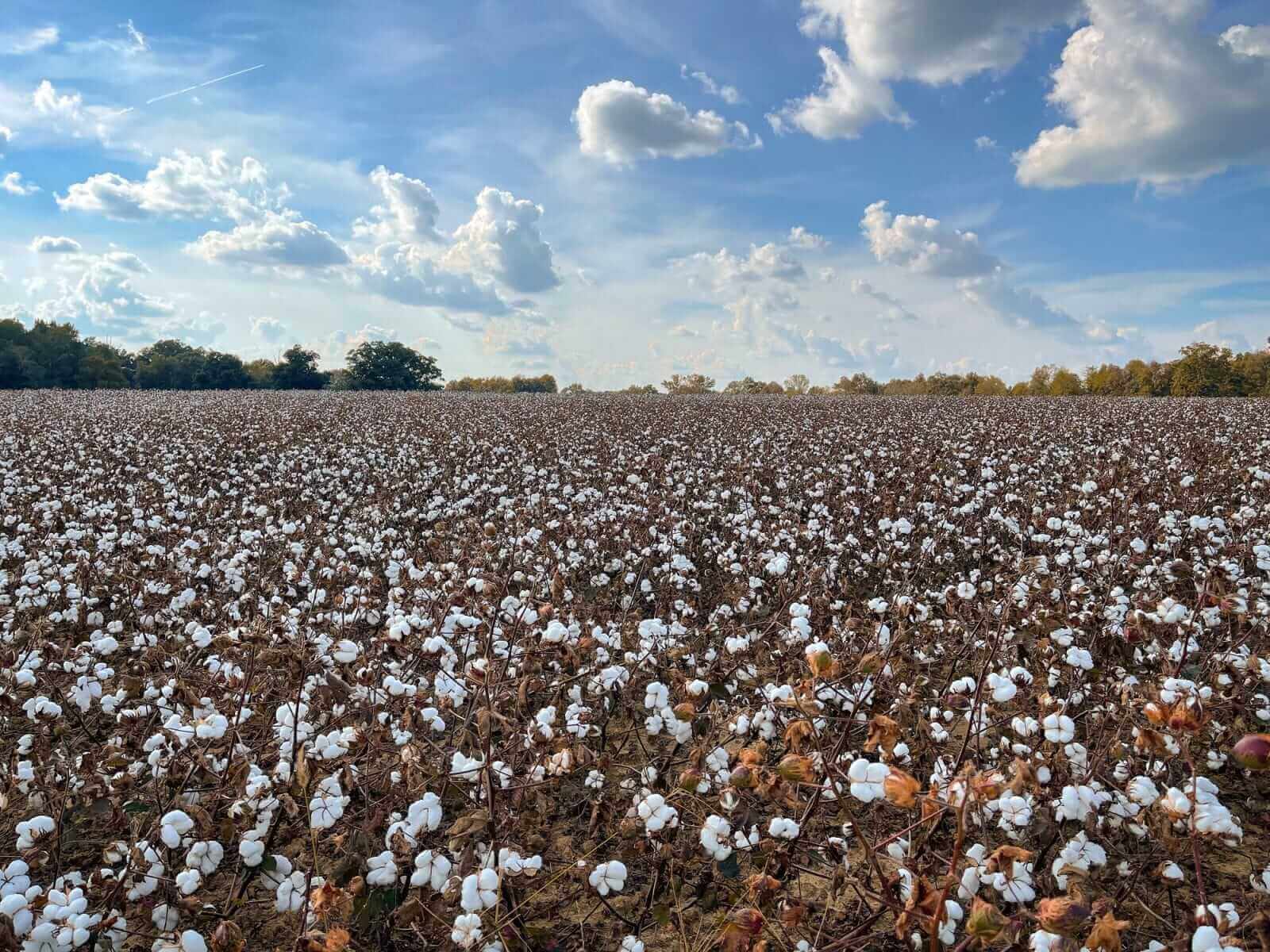
The German Farmers' Association has issued a warning about a below-average harvest due to ongoing drought, which has left large areas of farmland parched. The country's grain harvest is expected to be 7% lower than last year, with rapeseed seeing the largest decline at nearly 17%. Barley remains at last year's level, while potato and sugar beet crops are also forecast to be below average, particularly in southern and western Germany.
Germany's Federal Statistical Office predicts an 18% drop in apple production. Agriculture Minister Alois Rainer stated that the government does not anticipate a sudden or sharp increase in food prices, attributing factors to supply chain, transportation, and production. However, the large declines in rapeseed and sugar beet production could reduce domestic supply of oil and sugar, potentially requiring imports to make up the difference.
The drought has also led to a sharp decline in animal feed stocks in several states, particularly in southern Germany, which may increase prices for feed, meat, milk, and eggs. Germany's food prices have already risen by over 36% since 2020, driven by various crises including Russia's war in Ukraine, the closure of the Strait of Hormuz, and the closure of the Gulf's fertilizer supply.
The farmers' association has urged the government to launch an immediate package to support the agriculture sector, including boosting the EU's fertilizer aid package and reducing agricultural diesel tax.
Written by urgent.news from DW Business's reporting — not their text. Machine-written — may contain errors; check the original before relying on it.
This story
This is one outlet's version. Read the fullest account.