Amir Hamzah: Tough economic reforms necessary despite unpopularity
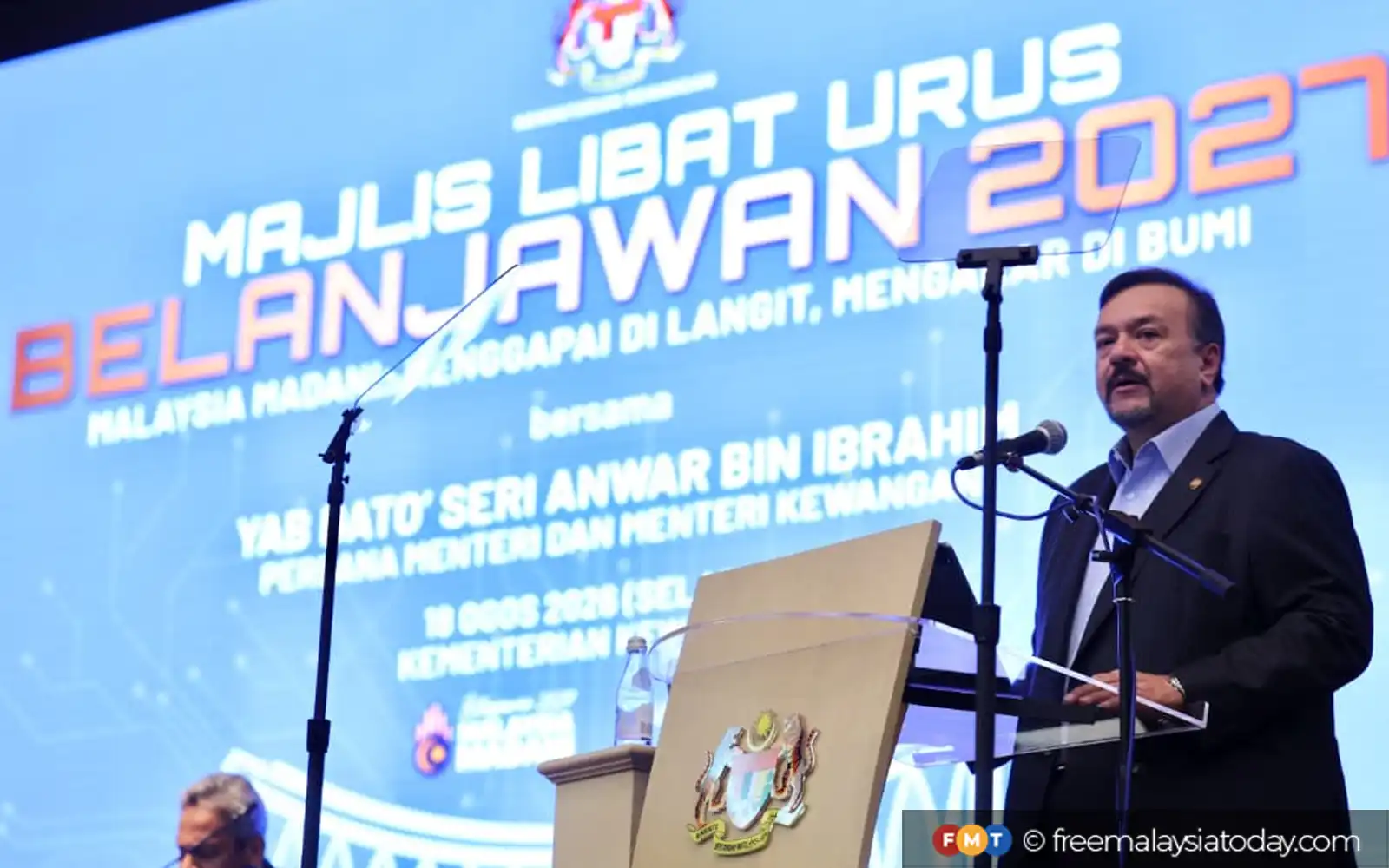
PUTRAJAYA: Economic restructuring can be difficult, particularly when it involves unpopular policies, but such measures are necessary for long-term growth and the people’s wellbeing, says Datuk Seri Amir Hamzah Azizan.
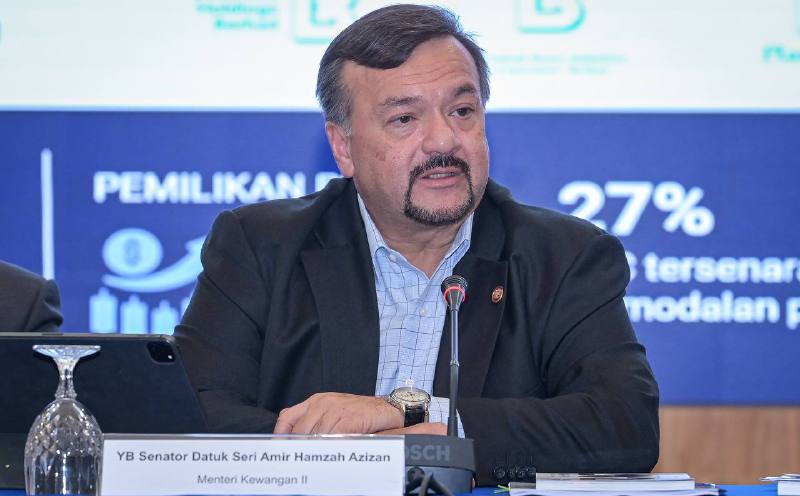
Datuk Seri Amir Hamzah Azizan, the Finance Minister II, emphasized that economic restructuring can be challenging, especially when it entails unpopular policies. However, he firmly believes that such measures are indispensable for the nation's long-term growth and the welfare of its people. At the 2027 Budget Engagement Session, he outlined several key reforms including the rationalisation of electricity subsidies starting in 2023, the expansion of the Sales and Services Tax (SST), and the phased implementation of the e-Invoicing system.
While these policies are often unpopular, he stressed their necessity due to the substantial long-term benefits they bring to the country and society.
Hamzah highlighted that the phased electricity subsidy rationalisation has not adversely affected the majority of Malaysians, with 85% of domestic users still protected under the measure. Furthermore, he explained that the expansion of the SST has contributed positively to revenue consolidation without compromising the purchasing power of citizens through a fair and progressive approach.
The phased e-invoicing system is designed to enhance transparency in the business ecosystem by reducing the shadow economy, improving tax assessment efficiency, and streamlining domestic tax governance.
Regarding the country's economic performance, Hamzah reported that Malaysia's GDP grew by 5.4% in the first quarter of 2026 and 6% in the second quarter, surpassing the Bank Negara Malaysia's (BNM) forecast of 4-5% for first-half growth in 2026. This growth exceeded expectations, reflecting the resilience of the Malaysian economy despite global uncertainties.
The International Monetary Fund (IMF) also revised its forecast for Malaysia's GDP growth upward, now projecting 4.7% growth for the same period, maintaining this projection in its latest update in July. Additionally, the ringgit maintained stability during the first seven months of the year.
In terms of investments, approved investments in 2025 reached a record RM431.1 billion, marking an 11% increase. The first quarter of 2026 also saw strong investment activity, with approvals amounting to RM92.8 billion, consistent with the upward trend. Despite these achievements, Hamzah stressed that economic progress would be meaningless if Malaysians continued to face difficulties due to the rising cost of living.
Inflation for the first seven months of the year increased to 1.8% as a result of global crude oil price hikes caused by the conflict in West Asia. However, the government remains committed to alleviating this burden, increasing allocations for Sumbangan Tunai Rahmah (STR) and Sumbangan Asas Rahmah (Sara) from RM10 billion in 2024 to RM15 billion, the highest targeted assistance allocation ever.
Moreover, the government expanded the Madani Rahmah Sales Programme, providing goods at between 10 and 30% below market prices across all 600 state constituencies and the 40 zones within the Federal Territories of Putrajaya, Kuala Lumpur, and Labuan. As of June 30, there have been 15,881 such programs held. Additionally, targeted diesel subsidies under the Budi Madani Diesel mechanism commenced on July 1, enabling eligible Malaysians to purchase subsidised diesel at RM2.10 per litre, with a basic monthly limit of 200 litres.
Written by urgent.news from New Straits Times's reporting — not their text. Machine-written — may contain errors; check the original before relying on it.