Alan Dershowitz Won’t Forget What Larry David Did to Him
He has new friends on Martha’s Vineyard. But his tales of cancellation have not subsided.
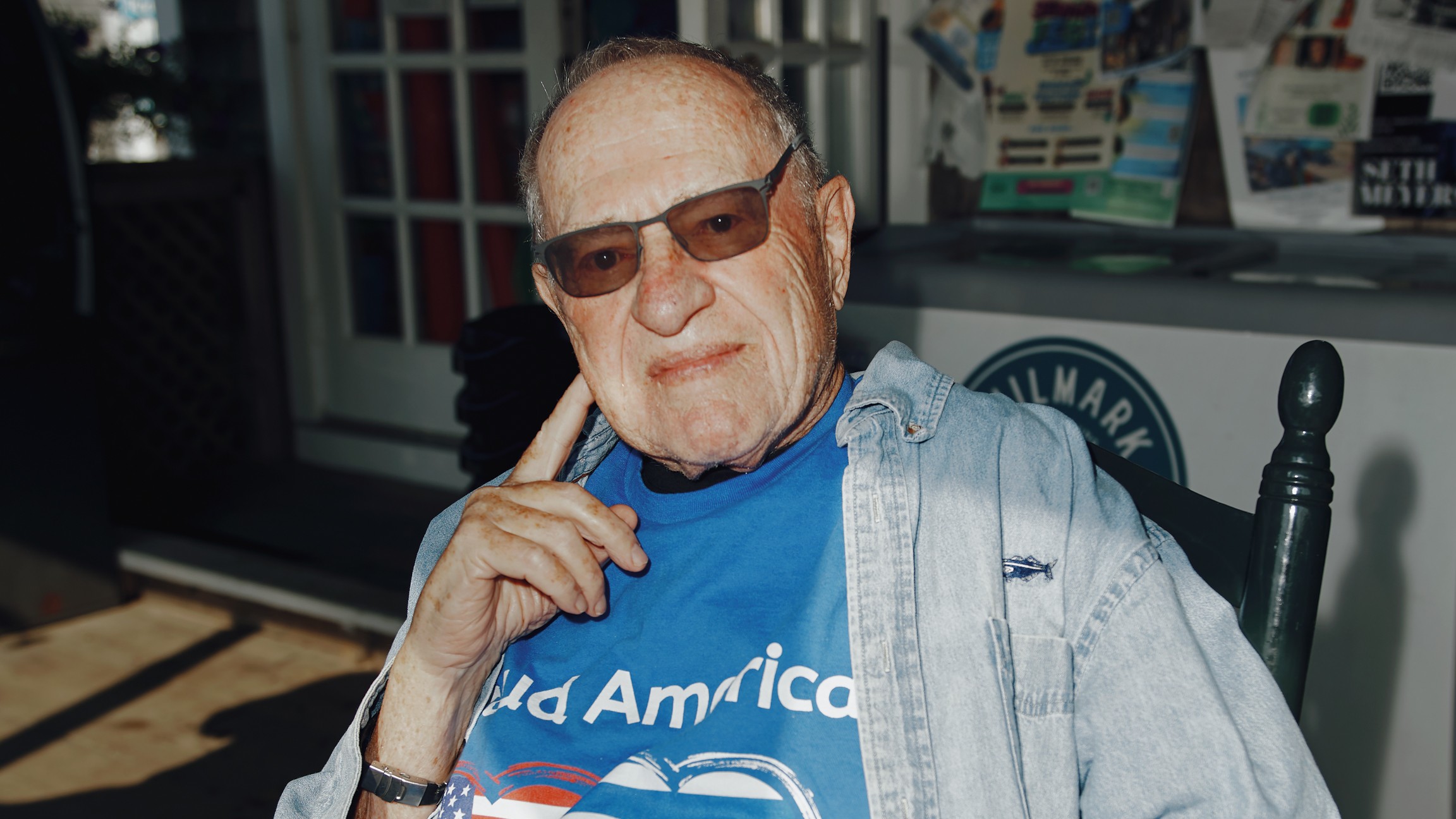
On Martha's Vineyard, Alan Dershowitz, the renowned Harvard Law professor, has been largely absent from the public eye. However, he has shared his experiences regarding the persistent ostracism he has faced in recent years. This persecution stems from his representation of high-profile clients, including former President Donald Trump and Jeffrey Epstein, during Donald Trump's first term and his involvement in the first impeachment defense team.
Despite not personally supporting Trump, Dershowitz stood by him, asserting that everyone deserves legal representation.
Dershowitz's plight began during the early 2010s, when he became politically unpopular on the island due to his vocal support for Israel and his defense of clients accused of sexual abuse and exploitation, including Jeffrey Epstein. Over the years, locals have reportedly pressured his exclusion from various businesses and institutions on the Vineyard.
Each summer, Dershowitz has encountered his share of social isolation, with incidents such as vendors refusing to serve him and a comedian, Larry David, refusing to shake his hand and calling him "disgusting" on his porch.
Despite this continuous persecution, Dershowitz has been determined to continue living on the Vineyard. He has owned a home on the island since 1991, and he has maintained a presence there over the years, often engaging in discussions with others on the porch of the Chilmark General Store. However, according to Dershowitz, his recent experiences in Chilmark have been predominantly negative.
He explained that most of the community, especially in Chilmark and among the Jewish population, have shown hostility towards him due to his political views and representation of controversial clients. In contrast, he has reported receiving warm receptions in Miami Beach during the winter months, where he spends a significant portion of his time.
Written by urgent.news from The Atlantic's reporting — not their text. Machine-written — may contain errors; check the original before relying on it.