After January launch vehicle debacle, GISAT-1A take-off in September to end ISRO’s seven-month operational hiatus
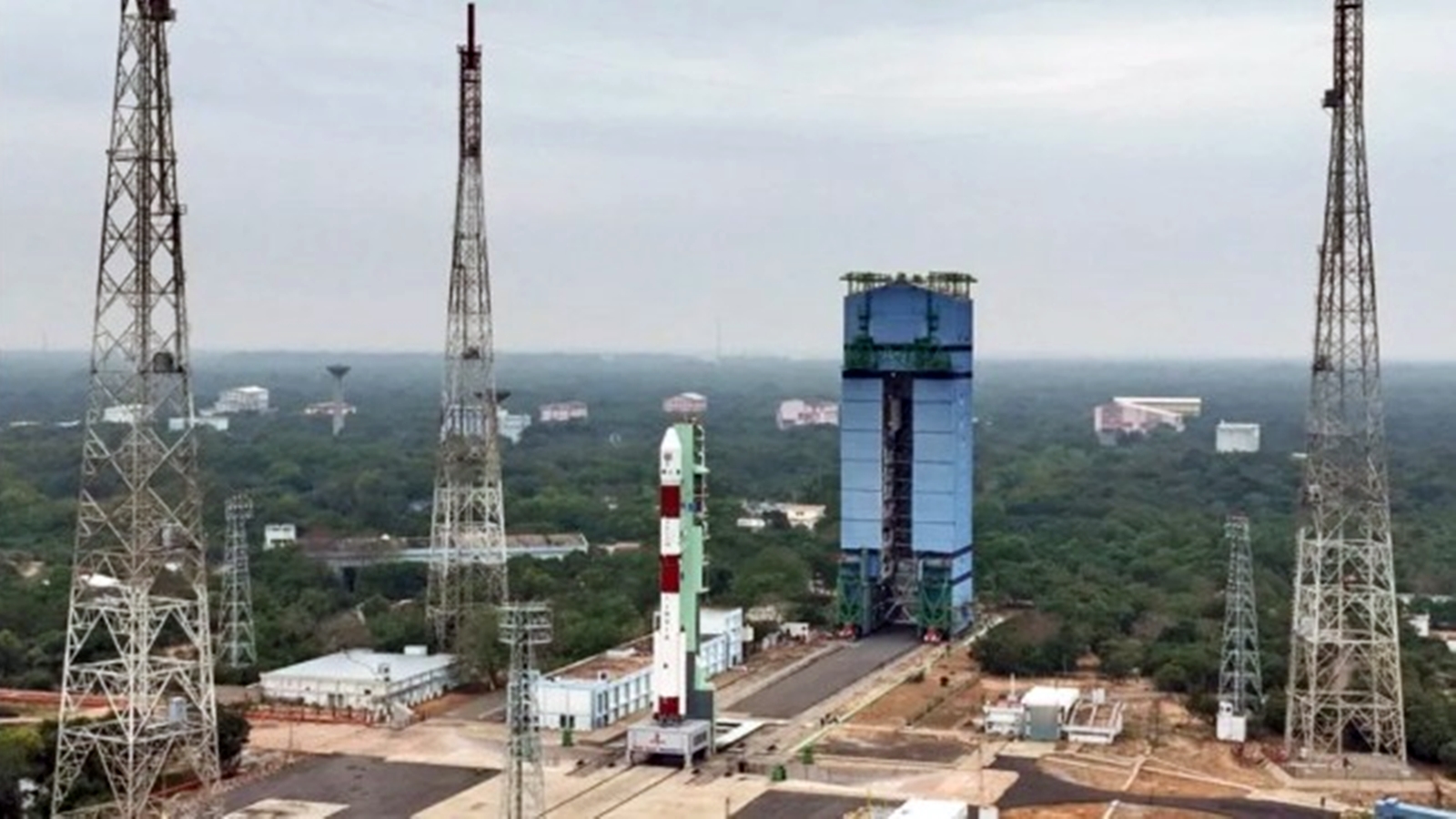
After a seven-month pause, the Indian Space Research Organisation (ISRO) is poised to restart its launch operations, with the earth observation satellite GISAT-1A slated to lift off in early September. This satellite, along with NVS-03, were grounded following a series of setbacks at Sriharikota spaceport. Three out of ISRO's six missions in 2025 and 2026 saw satellites fail to reach their intended orbits due to anomalies in the launch vehicle or spacecraft engine.
GISAT-1A, also known as EOS-05, is a replacement satellite for the 2021-launched GISAT-1 that missed its intended orbit due to a faulty final propulsive segment. The new satellite boasts a 10-year mission life and is designed to capture images of large areas at frequent intervals for monitoring natural disasters, agriculture, or forestry.
Meanwhile, NVS-03, fueled and ready at Sriharikota, is expected to be launched in November. ISRO undertook only one launch in 2024, with the Polar Satellite Launch Vehicle (PSLV) mission set to place an Earth observation satellite in orbit on January 12. However, the mission failed potentially due to an anomaly in the third stage of the rocket.
In 2025, ISRO carried out five launches, including one where PSLV-C61 was meant to deploy the EOS-9 Earth observation satellite. The mission also failed due to another "anomaly" in the third stage. ISRO has maintained that the two anomalies were unrelated, but no failure analysis report has been made public for this mission either.
Written by urgent.news from The Indian Express's reporting — not their text. Machine-written — may contain errors; check the original before relying on it.