Africa’s energy curse is a political choice
Every barrel of oil shipped from an African port to a European or Chinese terminal is a barrel not converted into kilowatts for an African household.
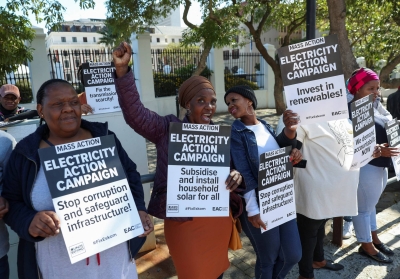
Africa currently possesses around 125 billion barrels of confirmed oil reserves and exceeds 620 trillion cubic feet of natural gas, suggesting significant untapped reserves. Despite this abundance, approximately 600 million Africans lack access to electricity, a figure that has remained stagnant since the COVID-19 pandemic. Projections indicate that this number will still surpass half a billion by 2030.
The root cause of this energy crisis lies not in geological limitations but in political decisions. Every exported barrel of oil from an African port to a European or Chinese terminal represents a missed opportunity to generate electricity for local households. Similarly, signing long-term liquefied natural gas (LNG) contracts with foreign utilities diverts gas that could be used to power African hospitals, schools, or factories.
The dilemma of whether to prioritize exporting hydrocarbons or utilizing them to electrify the continent is a critical issue that rarely receives open discussion. This situation must change. While the benefits of exporting hydrocarbons are evident, such as reducing reliance on imports for essential goods and services, the continent's heavy dependence on foreign currency for various needs cannot be ignored.
For many producer countries, oil and gas exports are the sole reliable source of foreign exchange, essential for paying for imports, servicing sovereign debt, and maintaining fiscal flexibility.
Written by urgent.news from Japan Times's reporting — not their text. Machine-written — may contain errors; check the original before relying on it.