Aboriginal community-controlled healthcare improving life expectancy in the NT
While the life expectancy of Indigenous people in remote communities has improved, Aboriginal health groups are telling the federal and Northern Territory governments a lot more work is still needed to close the gap.
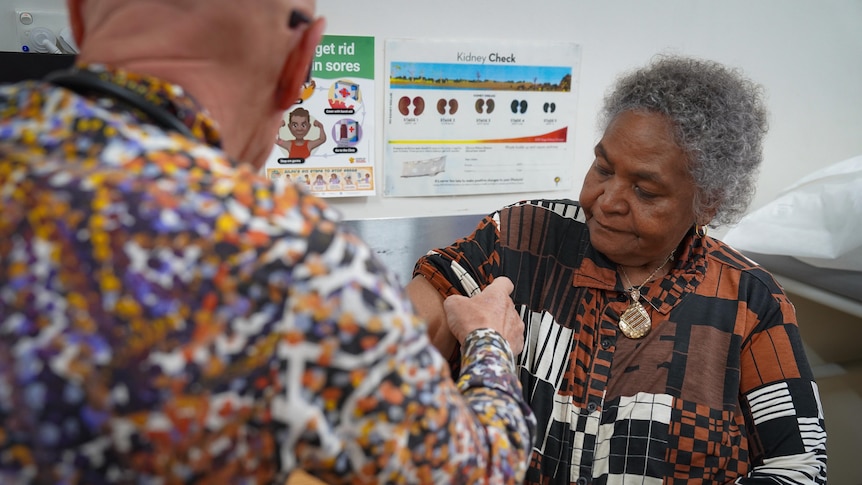
Aboriginal community-controlled health services in the Northern Territory are making a significant impact on improving life expectancy for Indigenous populations, according to research by the Menzies School of Health Research. Over the past 50 years, these services have helped reduce preventable deaths from chronic diseases in Central Australia.
Alice Springs resident Eileen Hoosan credits her local health service for helping her manage her diabetes, saying she credits the services she receives for helping to close the life expectancy gap in Central Australia. Congress, one of the country's biggest and longest-running Aboriginal community-controlled health services, has seen life expectancy for Aboriginal men increase from 47 to 65 years and for women from 70 to 80 years.
However, Dr. John Boffa, acting chief executive of Congress, acknowledges that more work is needed to address the large gap in life expectancy between Indigenous and non-Indigenous Australians. While the NT currently has the largest Indigenous life expectancy gap, with Aboriginal men dying at an average age of 65 compared to non-Indigenous men living to 79, significant progress has been made.
Research shows that Aboriginal women in the NT now live to an average age of 69, compared to 83 for non-Indigenous women. Community leaders in the Top End are working to address chronic diseases like diabetes, cancer, and high blood pressure through programs like Hope For Health, which offers personalized healthy eating coaching in the Yolŋu language.
However, funding for such initiatives remains a challenge, as governments have not provided additional grants for community programs despite proven success.
Written by urgent.news from ABC News AU's reporting — not their text. Machine-written — may contain errors; check the original before relying on it.