A Mummified Dog and Stacked Bodies Reveal a Crowded Egyptian Tomb’s Hidden Order
Learn how a layered chamber near Luxor reveals how generations made room for new burials while preserving traces of the past.
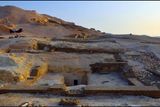
In the ancient Egyptian tomb TT 209, located in the Theban Necropolis near Luxor, archaeologists discovered a complex burial system spanning the Twenty-fifth Dynasty to the Ptolemaic period. Among the 16 human mummies and one dog, the arrangement of bodies revealed a deliberate sequence, despite initially appearing crowded. The dog rested directly above a man and woman, potentially indicating a bond between people and animals.
The burial chamber, filled over centuries, showed a shift from individualized mummies to stacked bodies, with later burials occupying the space between earlier occupants. Anthropological insights suggest the dog could represent a spiritual guide, but further study is needed to decipher its exact role.
Written by urgent.news from Discover Magazine's reporting — not their text. Machine-written — may contain errors; check the original before relying on it.