트럼프 ‘한미 연합훈련 막대한 부담’ 따져보니…미 전략자산 전개 비용이 80%
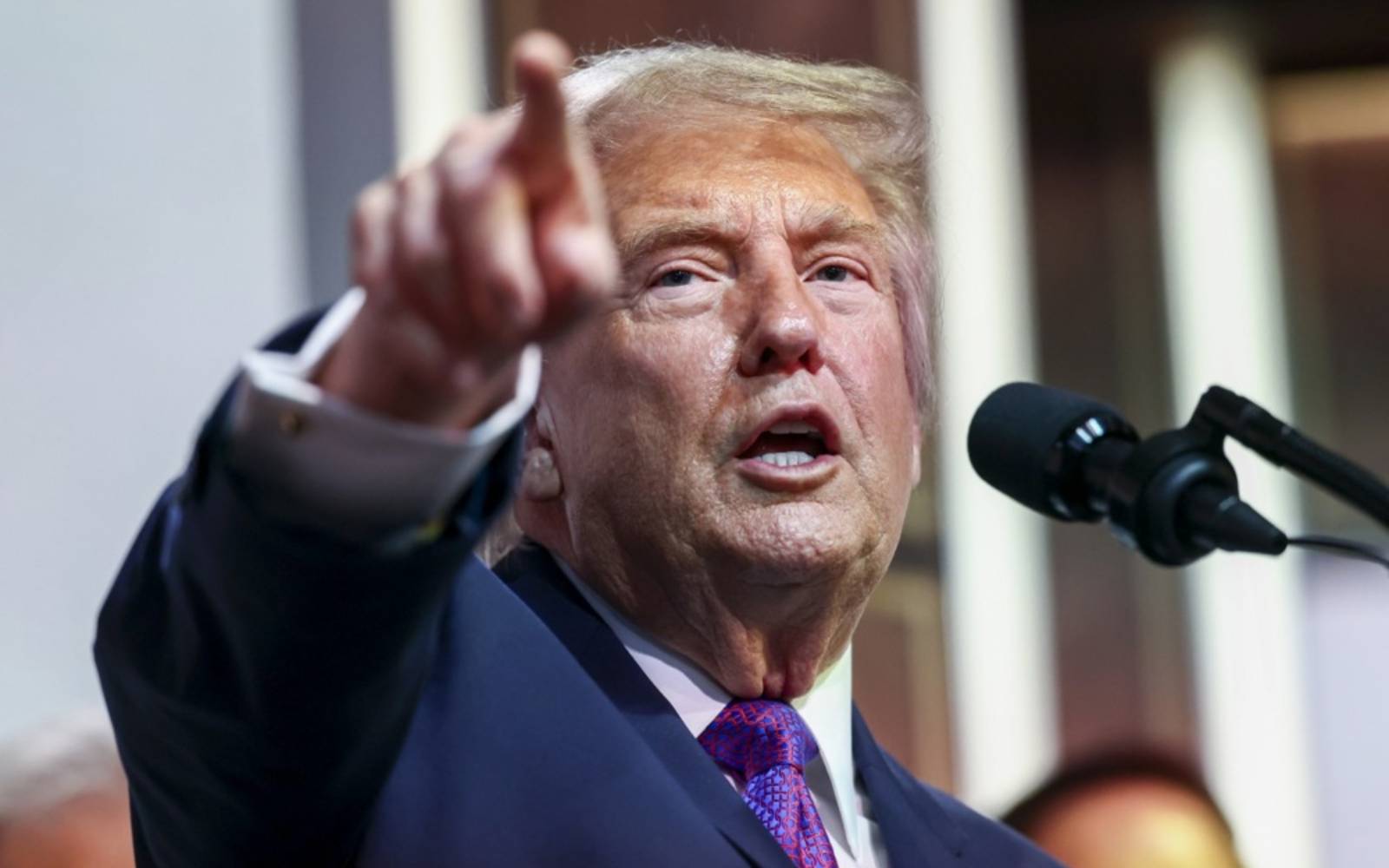
President Donald Trump recently stated that the U.S.-South Korea joint military exercises are causing "enormous costs" and sending a hostile signal to North Korea. He insisted that "these exercises are very expensive and the majority of that expense (as always) falls on the United States," implying that the training should be significantly reduced. Trump argued that his administration had shown neither aggression nor respect towards North Korea during the exercises.
However, Trump's criticism of the costs was criticized, as the U.S. bears responsibility for the expenses incurred during the exercises. Both South Korea and the U.S. are responsible for the costs of their respective military personnel and equipment. While a medium-ranged tactical unit deployment may not result in significant expenses, the presence of U.S. strategic weapons can significantly increase the overall training costs.
The joint U.S.-South Korea exercises known as "UFS - Freedom for the People" included 14 instances of large-scale outdoor maneuvers.
Exact figures for the costs of these exercises are hard to come by, but estimates suggest that the total annual cost ranges from $800 billion to $900 billion. Roughly, the U.S. contributes around $700 billion, while South Korea's share is approximately $200 billion annually. The difference in cost allocation between the two countries is attributed to their distinct cost structures.
South Korean forces participate in the exercises with roughly 18,000 personnel, while the U.S. contributes around 5,000 troops. The participating South Korean forces are not reinforcements but rather existing regular troops, with the use of domestic equipment increasing training costs through equipment maintenance, repair expenses, etc. The U.S. cost calculations are more complex, encompassing mobilized reserves, repositioned reinforcements from the mainland, Guam, and Japan, as well as additional expenses such as personnel salaries, transportation, accommodation, wear and tear, medical supplies, and equipment fuel costs.
The most substantial cost component in U.S. training expenses is personnel salaries, rather than personnel salaries, transportation, accommodation, wear and tear, medical supplies, and equipment fuel costs. The U.S. strategic asset deployment costs, including the deployment of a single aircraft carrier, a B-2 stealth bomber, a B-1B bomber, and F-35/F-22 stealth fighter jets, amount to roughly $80 billion or more annually.
Written by urgent.news from Hankyoreh's reporting — not their text. Machine-written — may contain errors; check the original before relying on it.