Your kidneys do more than filter waste: Here’s how they help control blood sugar
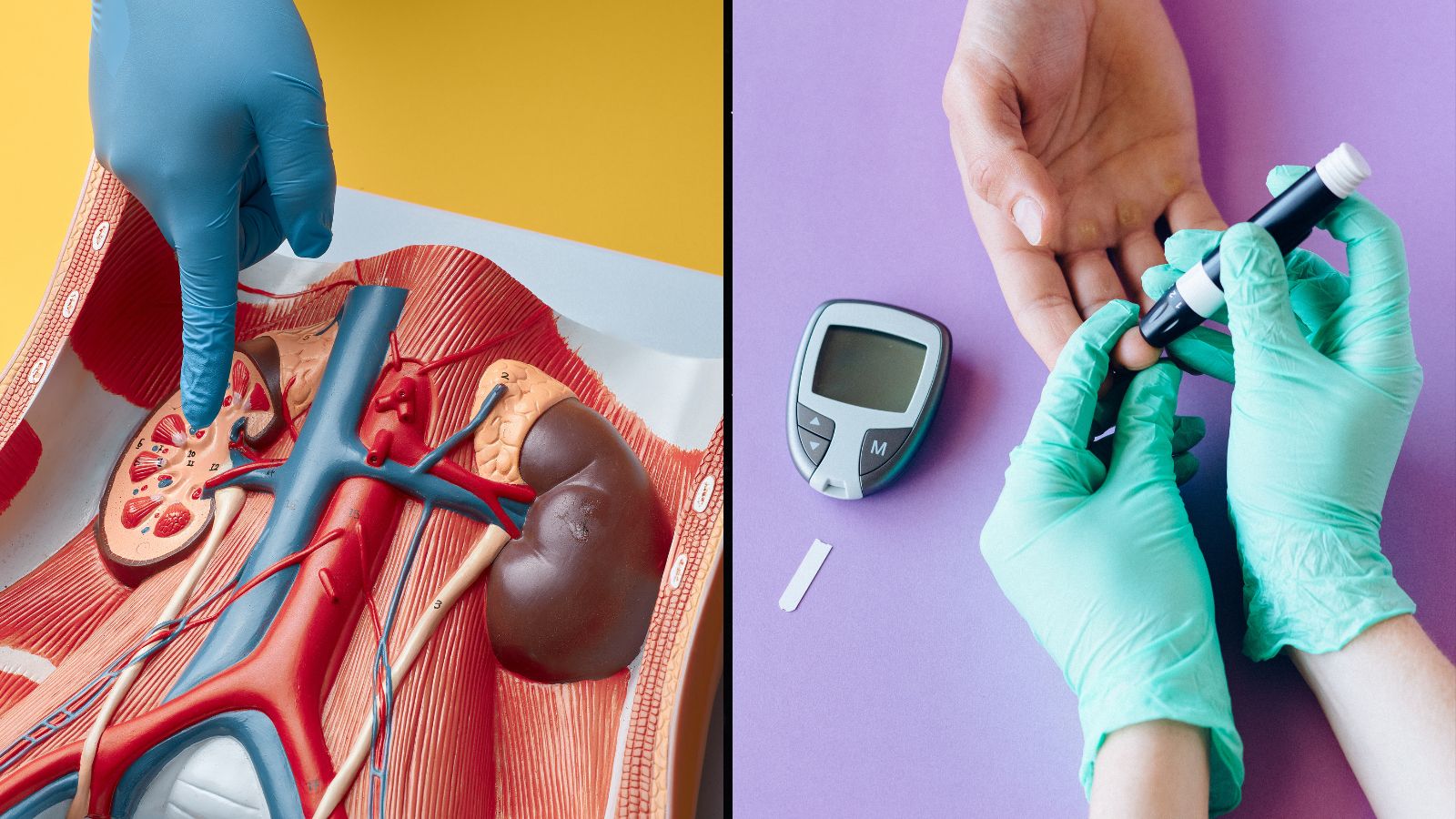
While blood sugar is most often talked about in relation to the pancreas and diet, kidneys also play a crucial role in regulating glucose levels. Beyond filtering toxins from the blood, kidneys help reabsorb glucose, produce glucose during fasting periods, and impact how excess sugar is managed by the body. Rather than being merely affected by diabetes, kidneys actively contribute to maintaining normal blood sugar levels.
This bidirectional relationship raises an important question: can changes in kidney function influence blood sugar even before the onset of chronic kidney disease? Although diabetes is a leading cause of kidney disease, the relationship works in both directions. Alterations in kidney physiology, hormone signaling, glucose reabsorption, and filtration may affect blood sugar regulation long before a person receives a kidney disease diagnosis.
According to Kanikka Malhotra, a Consultant Dietician and Diabetes Educator, many people underestimate the kidneys' role in glucose regulation. Healthy kidneys do more than eliminate waste; they participate in glucose production through renal gluconeogenesis and reabsorb filtered sugar back into the bloodstream. This regulation is tightly controlled by transporters called SGLT2, which is why several diabetes medications target the kidneys directly.
Even without diagnosable kidney disease, subtle shifts in kidney efficiency can subtly raise blood sugar levels. Early reductions in kidney function, before kidney disease is diagnosed, can influence how the body clears insulin, tissue sensitivity to insulin signals, and the amount of glucose reabsorbed by the kidneys instead of excreted.
When kidney function begins to decline, insulin remains in circulation longer, potentially promoting insulin resistance over time. Additionally, early kidney filtration issues can disrupt sodium and fluid balance, indirectly stressing glucose metabolism.
The relationship between kidney function and blood sugar is not one-sided. Malhotra emphasizes that poor blood sugar control can also damage kidneys over time. Early kidney inefficiency can set the stage for worsening glucose control, often unnoticed until either condition appears on standard screening tests.
To support both kidney health and healthy blood sugar, Malhotra suggests habits such as maintaining adequate hydration, limiting excessive sodium and ultra-processed foods, engaging in regular physical activity, and monitoring blood pressure and kidney function if at higher risk. Adequate protein intake is also recommended, especially for those with existing kidney disease.
Individuals with prediabetes, high blood pressure, or a family history of kidney disease should undergo regular kidney function and urine tests, as early changes can often be detected before symptoms emerge.
Written by urgent.news from The Indian Express - Lifestyle's reporting — not their text. Machine-written — may contain errors; check the original before relying on it.
This story
This is one outlet's version. Read the fullest account.