Yasiin Bey’s The Ecstatic Returns From Digital Exile — and Still Sounds Like the Future
The 2009 album returned to streaming exclusively on Qobuz in June and is now back in print via Rhymesayers Entertainment. Yasiin Bey’s The Ecstatic Returns From Digital Exile — and Still Sounds Like the Future Karan Singh
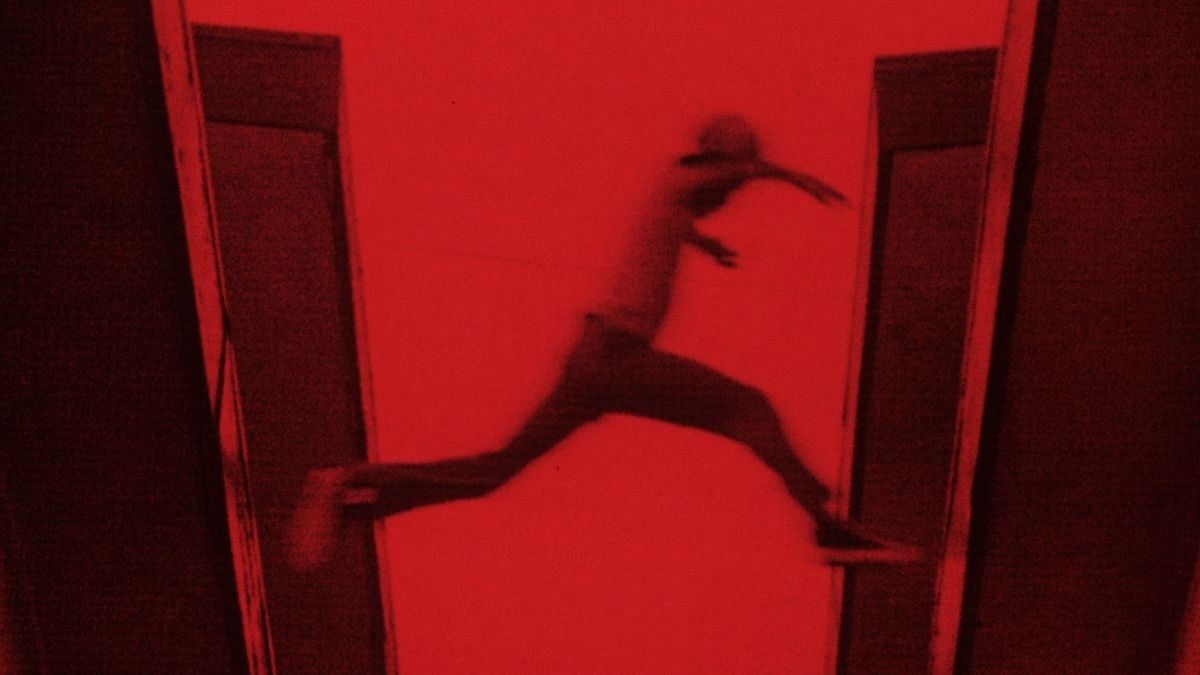
Seven years after becoming lost in a bureaucratic limbo, Yasiin Bey's fourth studio album, The Ecstatic, has finally emerged from digital exile. The Brooklyn MC, formerly known as Mos Def, had previously explained that ownership of the album had passed out of corporate hands, and it would only return on his own terms. Now, for the first time since 2019, The Ecstatic is available to stream on Qobuz and also back on print through Rhymesayers Entertainment.
Despite the years of estrangement, the album's impact remains undiminished. The Ecstatic is a world-traveled record, incorporating elements from various musical styles and political ideologies. Opening with Malcolm X's assertion that extreme measures are necessary for a just society, the album traverses through Turkish psych-rock, Lebanese fusion, Bollywood playback, Brazilian funk, and classic American soul, among others.
The album's disregard for musical and sociopolitical boundaries is intertwined with its preoccupation with these issues. Tracks like "Supermagic" feature a guitar riff from Selda Bağcan's "İnce İnce," while "Quiet Dog Bite Hard" quotes Fela Kuti, a dissident who remained steadfast in his convictions. The climax of the album, with its hushed "simmer down" chant, serves as a rallying cry, with each repetition amplifying the defiance against its own command.
The Ecstatic explores the relationship between harmony and confrontation, with change presented as an inherently radical idea. While direct references to politics occasionally recede, the album's pursuit of exploring uncharted territories persists. Tracks like "Auditorium" juxtapose Bollywood samples with verses about the Iraq War, and "Wahid" emphasizes the geographic restlessness of the album.
The album's cover art, featuring a boy leaping between rooftops, is inspired by Charles Burnett's 1977 film Killer of Sheep, a depiction of Black working-class life in Watts. This red-washed image symbolizes the album's perpetual leap between structures without landing on one, making freezing motion a poetic reflection of its essence.
Written by urgent.news from Consequence's reporting — not their text. Machine-written — may contain errors; check the original before relying on it.